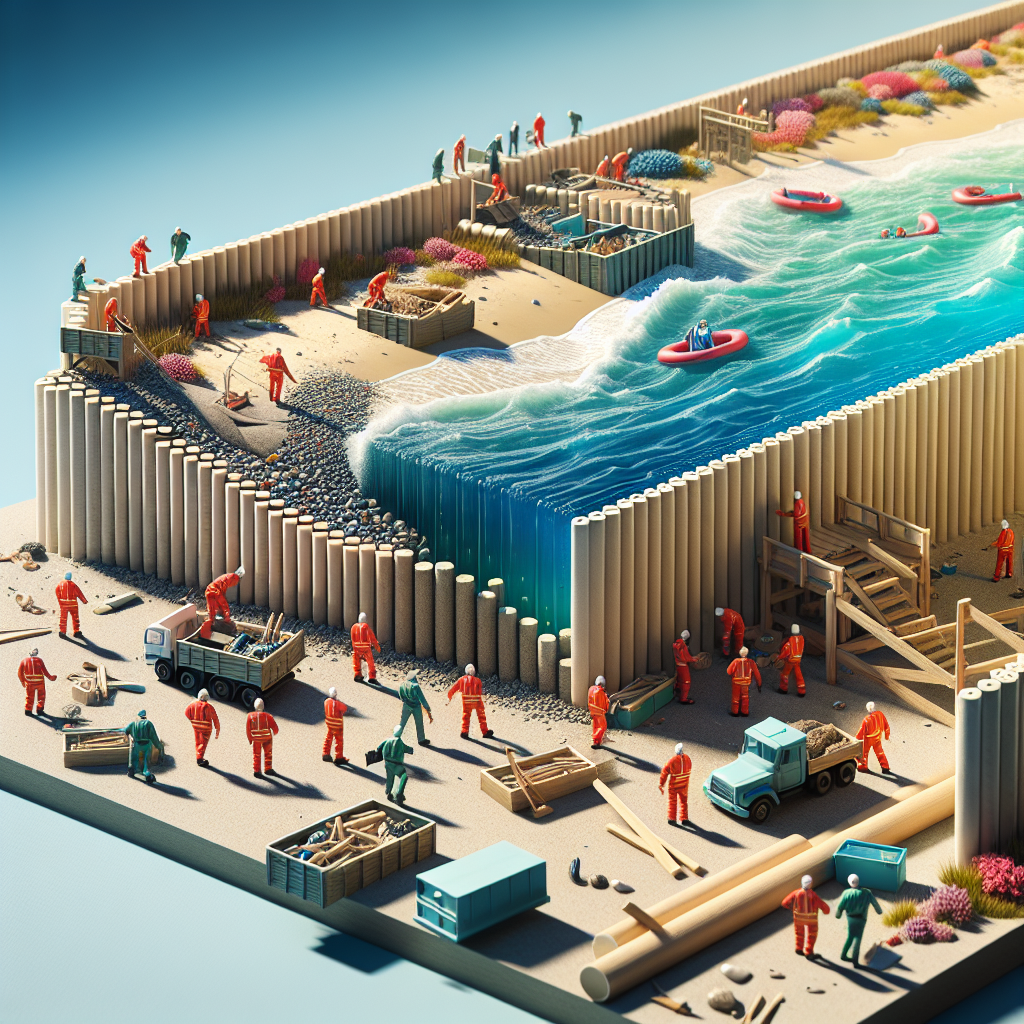

Flipping the Tide: Meet Coastal Engineering
Can you imagine living next door to the ocean, where each day begins with the peaceful sound of lapping waves and ends in a sunset-worthy color display? Now, think of the flip side—what happens when those tranquil waters turn tumultuous and threaten to engulf your world? Welcome to the fascinating and crucial world of coastal engineering, a discipline that’s all about balancing the natural beauty and power of our oceans with the safety and development of human civilization.
So, what exactly is coastal engineering, and why should everyone—whether you reside in lively Miami or the serene shores of Indonesia—take an interest? Coastal engineering is the field dedicated to managing man-made and natural changes on the coastlines, essential for people living in areas where land meets the vast waters. With rising sea levels and increasingly erratic weather patterns, the when is a critical now, everywhere coastal regions face these potential impacts.
Riding the Waves of History: A Brief Dive into Coastal Challenges
From ancient maritime societies to modern beachfront metropolises, humans have always been drawn to the coast. The who here are the millions who depend on coastal areas for their homes, jobs, and recreation. The challenges have evolved over time. In the early days, it was all about seafaring and trade, but now our coastal zones are more densely populated and under constant environmental stress due to climate change.
Historical confrontations with the ocean were often dramatic—think of New Orleans or Venice. Each hurricane, each tidal surge brought a painful realization that humans, for all their advancements, needed to evolve further in how they interacted with the coastal environment. Enter coastal engineers: skilled professionals who design, construct, and maintain structures like seawalls, levees, and breakwaters, using modern technology to predict and mitigate potential disasters.
The Science Behind the Scenes: Tools and Techniques
Imagine you're a coastal engineer. You're part scientist, part artist, bridging earth's natural majesty with human ingenuity. It's all about striking that delicate balance: taming waves while letting nature breathe.
Tools of the Trade
Technology is your ally. Numerical modeling enables you to simulate tides and storm surges to foresee potential threats. Geographic Information Systems (GIS) help map out coastlines and track changes over time, providing a big picture of environmental impact. [GIS technology is a system that manages, analyzes and displays geospatial data.]
Innovative Structures
Why settle for static defenses when you can innovate? Living shorelines are a method using natural components such as plants or sand to protect against erosion while enhancing habitats. On the flip side, hard structures like jetties and seawalls provide robust protection against invasive waters.
The Symphony of Sustainability: Working with Nature
There's an overarching why in coastal engineering, an urgent call to develop sustainable and resilient solutions. Think of it as a team effort between humanity and nature, where instead of saving us from the ocean, we're trying to live harmoniously with it.
What if we could protect shorelines while simultaneously enriching them? Enter eco-engineering solutions, which incorporate natural elements into building designs to not only serve human needs but also promote biodiversity. This means creating habitats that foster life, from fish to birds, while protecting human interests like tourism and residential areas.
Challenges Ahoy: What Keeps Coastal Engineers Awake at Night
Here's where the plot thickens. While we can marvel at past successes, several challenges keep coastal engineers on their toes.
Firstly, climate change with its unpredictable weather patterns and relentless rise in sea levels poses significant threats. Engineers must adopt adaptive strategies, embedding resilience in every project.
Then, there's funding and policy support. For all their importance, coastal engineering projects often require high investments and political will to prioritize long-term over short-term gains. Imagine negotiating with varying interests, from community leaders to real estate developers!
Optimism on the Horizon: The Future of Coastal Engineering
Has humanity faced daunting challenges before? Certainly. Has innovation triumphed? Absolutely. Coastal engineering stands at an exciting crossroads, armed with advanced technology and rising awareness about the importance of sustainable practices.
Techniques like machine learning and big data analysis allow engineers to predict and prepare more accurately for future coastal events. Even the incorporation of renewable energy technologies in coastal infrastructure hints at a radiant future where our seas drive sustainable energy solutions.
So, what does this mean for the rest of us? A global call to action: support policies that advance coastal engineering projects, promote educational opportunities in this field, and most importantly, stay informed and aware about how our lifestyles impact coastal regions.
The next time you're at the beach, take a moment to appreciate the unseen forces at play, both natural and human-made. Coastal engineering isn’t just about barriers against the surf—it’s about a beautiful partnership with nature, where human ingenuity helps secure a sustainable future on this blue planet.