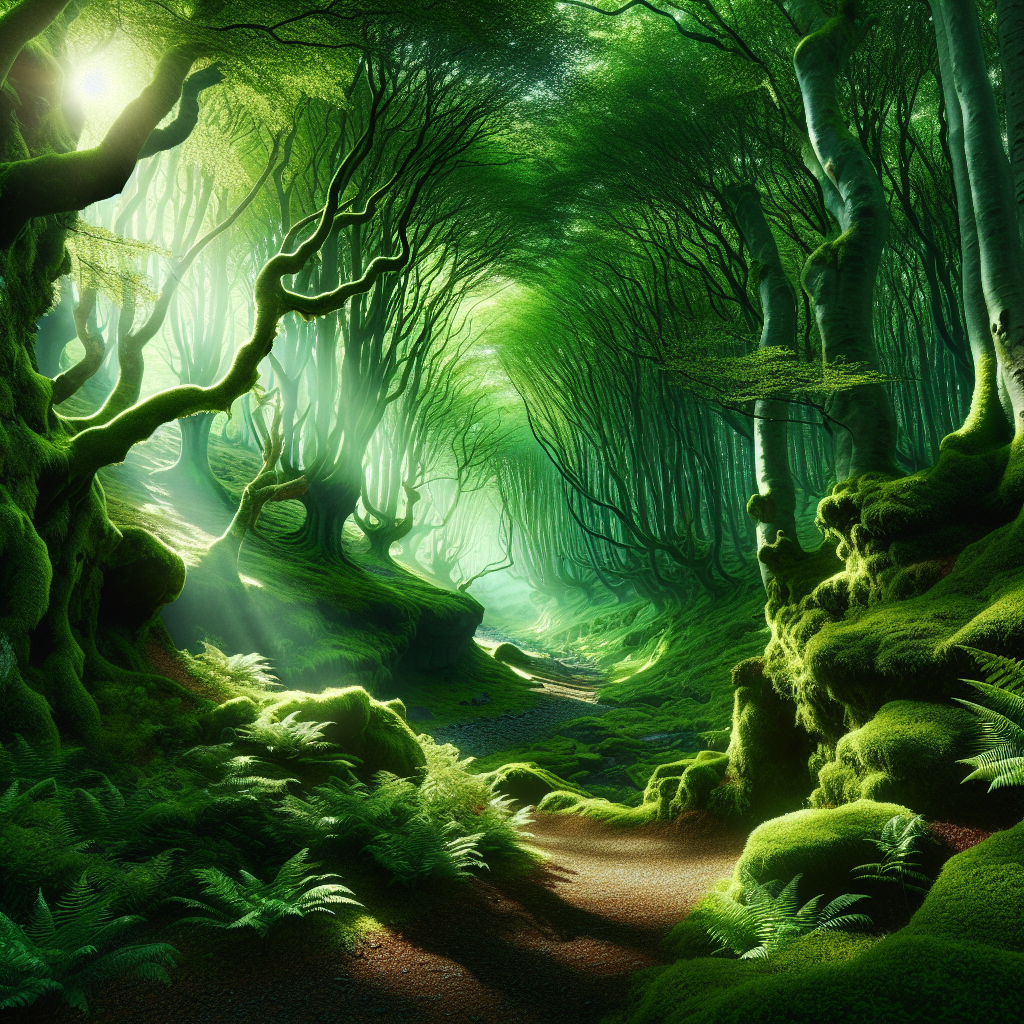

Imagine a world where ancient myths and nature's raw beauty coalesce in a symphony of greens, browns, and whispers of wind through emerald canopies—that's where we find the Celtic broadleaf forests! These are ancient woodlands you’d discover sprawling across areas like Ireland, Scotland, and Wales. Perhaps you might wonder, 'Why are these specific forests so significant, and what makes them stand out?' The answer lies in their rich biodiversity, historical significance, and their vital role in maintaining ecological balance.
The Who, What, When, and Where of Celtic Broadleaf Forests
The term 'Celtic broadleaf forests' generally refers to the deciduous woodlands that dot the landscapes of Celtic nations. Historically, these forests have been integral to the lives and traditions of the Celtic people, dating back thousands of years. You’ll find them in regions that boast a mild, damp climate, which encourages the growth of a rich variety of tree species, such as oak, ash, birch, and hazel.
Why the Celtic Broadleaf Forests Matter
Biodiversity
One of the most fascinating aspects of these woodlands is their incredible biodiversity. Hosting a wide range of flora and fauna, they serve as crucial habitats for various species. Imagine birds like the song thrush harmonizing in the treetops while mammals such as hedgehogs dart through the leaf-strewn floors. The vibrant ecosystems are not just a feast for the senses—they're pivotal for scientific research and biodiversity conservation.
Cultural and Historical Significance
Delving into their historical significance, the Celtic broadleaf forests are more than just a collection of trees; they’re living museums. They hold stories in their roots and branches, having been central to Celtic culture and mythology. Forests often featured prominently in Celtic folklore, symbolizing mystery, spirituality, and the natural order.
The Anatomy of a Celtic Broadleaf Forest
Dominant Tree Species
Broadleaf forests predominantly consist of trees with wide leaves that change with the seasons. The grand oak trees, revered in Druid lore, are vital components. Oaks are known for their strength and longevity and have been used for everything from building materials to tools.
Ecosystem Services of the Celtic Broadleaf Forests
Beyond their aesthetic and cultural value, these forests provide a multitude of ecosystem services. They act as carbon sinks, absorbing CO2 and mitigating climate change. They regulate the water cycle and prevent soil erosion, contributing to land fertility and agricultural productivity.
What Challenges do Celtic Broadleaf Forests Face?
Despite their resilience, these forest ecosystems are under threat from human activities and environmental changes. Deforestation, urban expansion, and climate change pose significant threats to their delicate balance. Efforts are underway to address these challenges through reforestation projects and protective legislation.
How Can We Protect These Forest Gems?
Ensuring the preservation of Celtic broadleaf forests requires a combination of respecting indigenous knowledge, implementing sustainable forestry practices, and strengthening conservation laws. Public awareness and community involvement play crucial roles in protecting these vital ecosystems.
Conclusion
The magic and mystery of the Celtic broadleaf forests lie not only in their ancient trees and dense undergrowth but in how they continue to fascinate and enrich our understanding of biodiversity, culture, and history. Continuing to explore and cherish these forests can lead to better conservation approaches and foster a deeper appreciation for nature's complexity. The next time you find yourself near such a woodland, take a moment to listen to their whispers—the stories they tell are as countless as the leaves that grace their branches.