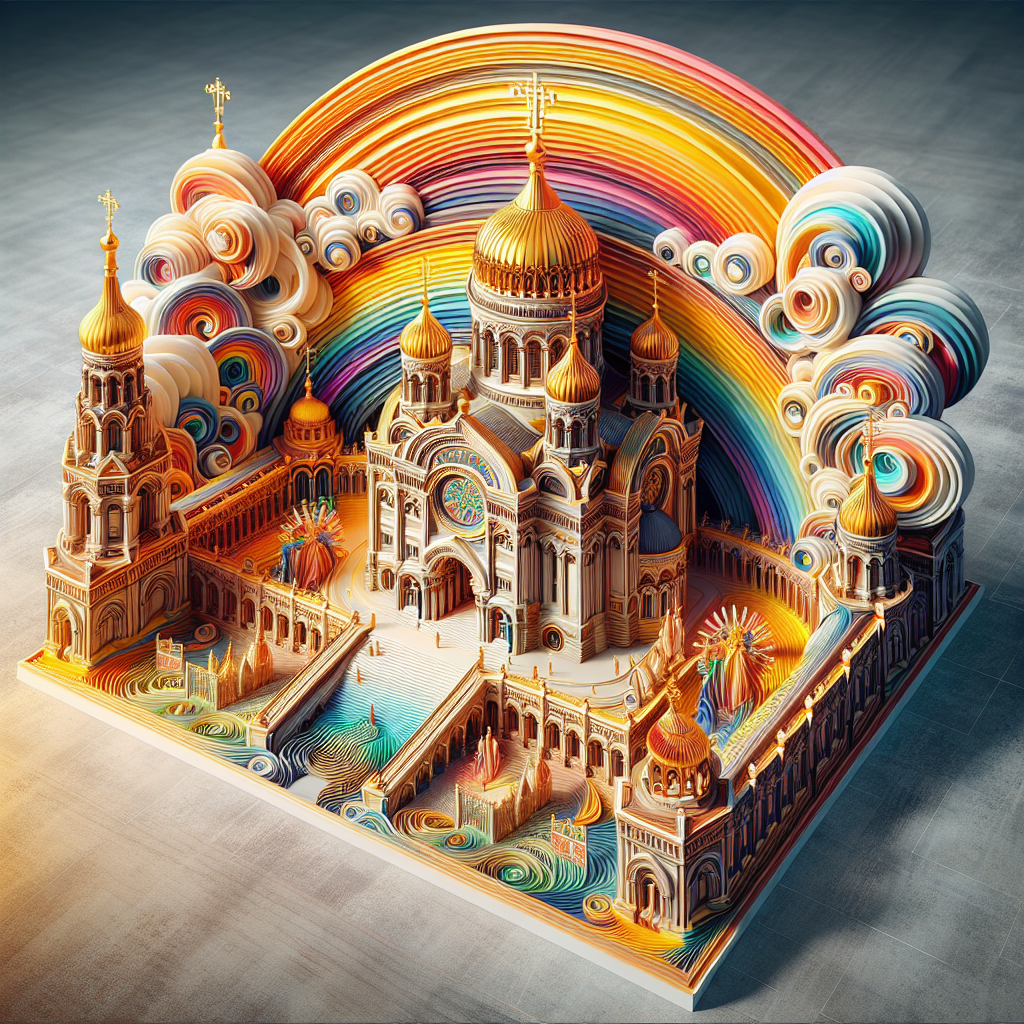

The Cathedral of the Archangel is not just another architectural structure; it's a time capsule nestled in the heart of Moscow, where history, art, and spirituality intertwine seamlessly. Built between 1505 and 1508 under the reign of Vasily III, the Cathedral stands proudly within the Moscow Kremlin. It has served as a sacred venue for royal ceremonies and the final resting place for many of Russia's grand princes and early tsars. This blend of history and cultural significance makes the cathedral a pivotal point for anyone intrigued by Russian history and religious art.
A Brief Journey Through Time
To truly appreciate the Cathedral of the Archangel, let's first transport ourselves back to the early 16th century. Imagine Moscow as a rising power under the rule of Grand Prince Vasily III, who sought to enhance the grandeur of his capital city. The cathedral's construction marked a period of architectural transformation, reflecting both Russian and Italian Renaissance influences—thanks to the design expertise of Italian architect Aloisio the New. This combination of styles embodies a cultural exchange that was vibrant and forward-thinking for its time.

The Architectural Marvel
The architectural sophistication of the Cathedral of the Archangel is nothing short of extraordinary. The structure itself with its striking white stone exterior and iconic golden domes is representative of the harmony achieved between contrasting architectural styles. Inside, the walls are adorned with beautiful frescoes and icons that have been masterfully restored over the years to retain their original vibrancy.
Paying homage to Archangel Michael, the cathedral is named to honor this celestial figure often considered the protector and leader of heaven's armies. This divine inspiration is subtly mirrored in the soaring ceilings and expansive interior spaces that evoke a sense of being disconnected from earthly constraints.
A Home for Royal Souls
One of the most fascinating aspects of the cathedral is its role as a mausoleum for an array of Russian rulers. This sacred space houses the remains of nearly 50 members of Russian royalty, from Ivan I to Tsar Ivan IV, better known as Ivan the Terrible. The intricate tombs and sarcophagi decorate the halls, each with its own story of the rulers who helped shape Russian history.
The symbolism in the cathedral's design extends to its very layout, which espouses a connection between earthly life and the afterlife. The collection of tombs acts as a timeline etched in stone, allowing us to peer into the lineage of Russian leadership that was imbued with both divine favor and human frailty.
Art and Iconography
Art lovers will find the Cathedral of the Archangel a treasure trove of religious iconography. The cathedral's frescos depict the revered tales of the Bible, remarkably preserved and representing the zenith of Russian-Italian artistic collaboration. The icons themselves are spiritual masterpieces, illustrating biblical scenes and saintly figures, deeply rooted in the Orthodox tradition.
A particularly fascinating fresco, the "Second Coming," graces the north wall, illustrating a vivid portrayal of the Last Judgment. Such art not only served an aesthetic purpose but also functioned as theological sermons, depicting core religious teachings in a form accessible to all faithful visitors, regardless of their literacy levels.
The Present and The Future
In the spirit of optimism and humanity's progress, the Cathedral of the Archangel today stands not only as a historical monument but also as a living part of Russia's vibrant cultural landscape. As part of the UNESCO World Heritage site that is the Kremlin and Red Square, it continues to attract visitors, historians, and religious pilgrims alike.
Technological advancements have also enabled modern-day restoration and preservation efforts, aiding us in maintaining this exquisite piece of cultural heritage. The cathedral's continued presence invites dialogue between the past and the present, urging us to learn from history while enjoying the comfort and inspiration art and architecture offer to daily life.
Final Thoughts
The Cathedral of the Archangel is more than just a place of worship; it’s a tapestry of art, history, and divine symbolism interwoven to form a masterpiece that transcends the ages. For those curious about the intersections of history and humanity, the cathedral offers a vivid portal into the complexities and beauties of the past. Enthusiasm for learning and appreciation for the cultural dialogues of old can only enhance our shared human experience, helping us connect with a world much larger than our own.
Whether you are a connoisseur of fine architecture, a lover of history, or merely curious about the intricate story of humanity, the Cathedral of the Archangel is a magnificent monument that promises both intellectual nourishment and spiritual enrichment. Let us cherish these ever-important glimpses into our collective past as we navigate the journey to a brighter future.