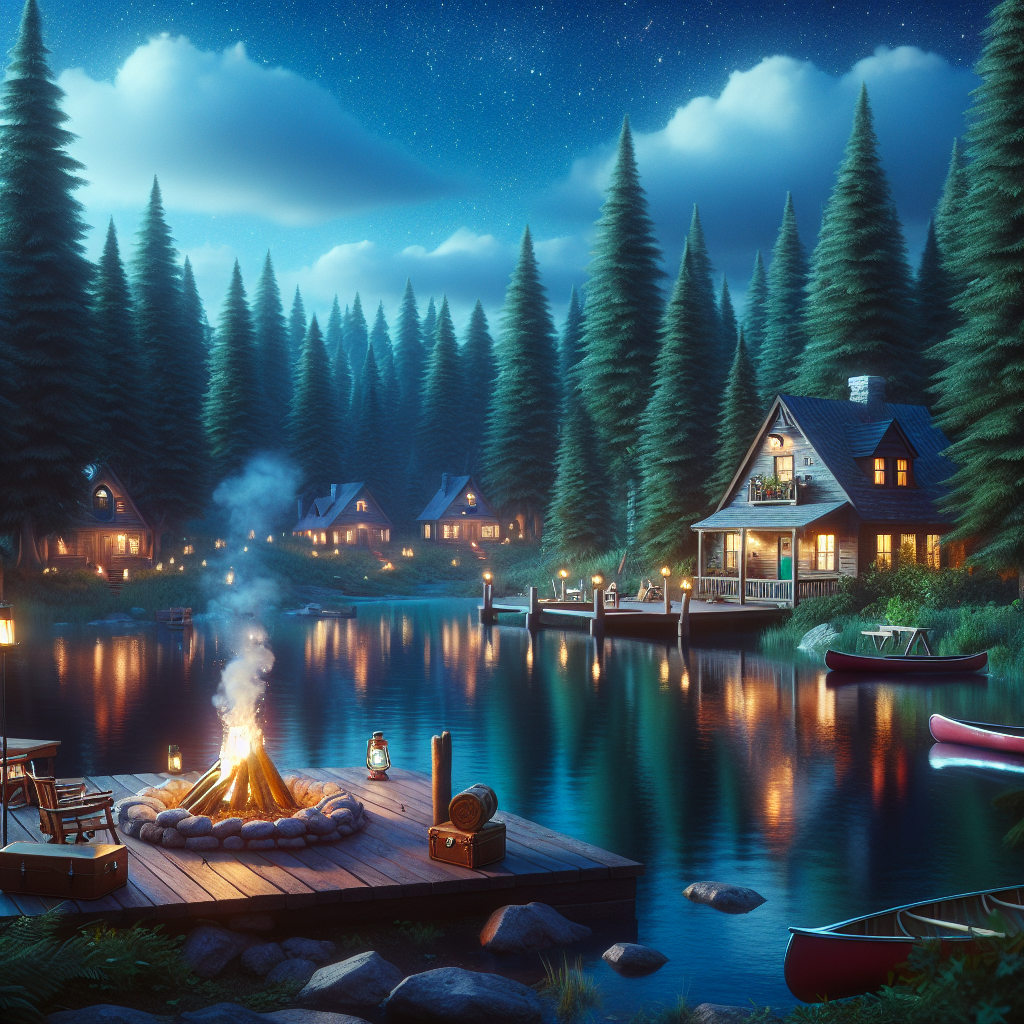

Camp Topridge: From Gilded Age Glamour to Natural Splendor
Nestled in the pristine wilderness of the Adirondack Mountains, Camp Topridge is a fascinating blend of history, nature, and architectural genius. Originally commissioned by the dynamic Marjorie Merriweather Post in the early 1920s, this lavish retreat quickly became a symbol of opulence and a historical touchstone of American society. But what makes Camp Topridge a place of continual intrigue is not merely its Gilded Age glamour; rather, it's how it is a gleaming example of humanity's ingenuity harmonizing with nature.
The Gilded Beginning – Enter Marjorie Merriweather Post
To truly appreciate Camp Topridge, understanding its creator is key. Marjorie Merriweather Post was one of the wealthiest women in the world, inheriting the Postum Cereal Company fortune at a young age. A figure of remarkable foresight and creativity, Post was the driving force behind transforming Camp Topridge into a marvel of rustic luxury.
Constructed between 1923 and 1928, the estate spans over 300 acres, comprising a main lodge and more than 60 splendid buildings crafted with an eye for the finest details. Some of the extraordinary features included intricate woodwork, stone hearths, and custom-designed furnishings, reflecting Post’s penchant for blending comfort with craftsmanship—elements that made her summer retreat truly stand out.
An Architectural Tour de Force
Camp Topridge’s architecture is a narrative of its own. Designed by renowned architect Theodore Blake, the camp exemplifies the classic Adirondack style, which supports the harmonious interaction between indoor and outdoor spaces. Created to complement the natural environment, the buildings were strategically placed to offer breathtaking views of Upper St. Regis Lake and the surrounding wilderness, something that continues to captivate visitors today.
A notable point of interest within this architectural wonderland are the boathouses, which were essential to life at Topridge. These structures not only served the practical purpose of harboring boats but also exuded grace with beautifully detailed woodwork and their thoughtful articulation in the overall landscape.
Topridge Through Time
The importance and grandeur of Camp Topridge extend beyond the life of Marjorie Post. In the decades following its creation, Topridge became a significant social hub, hosting an array of elite visitors, including politicians and personalities of the time. It was a space where the influential could unwind, share ideas, and foster relationships.
When Marjorie Post died in 1973, the state of New York acquired the property in 1977. Since then, it has passed through various hands, with different owners adding to its upkeep and restoration as a homage to its rich heritage.
The Science of Symbiosis: Nature and Design
What makes Camp Topridge remarkable is not just its historical relevance but its symbiotic relationship with its environment. This architectural gem embraces the natural landscape, utilizing locally sourced materials which not only conserve energy but also create a unique aesthetic that seems to be sculpted by the environment itself. The intricate log structures, native stone chimneys, and intimate pergolas speak to a design ethos way ahead of its time—one that integrated environmental consciousness into luxury living.
Modern Splendor in Preservation
Today, Camp Topridge stands as a testament to the conservation of historic properties. Preservationists and architects have tackled the delicate task of maintaining the camp’s heritage while ensuring it stands the test of time. The legacy of Camp Topridge is carried forward through the meticulous preservation efforts which are not merely about maintaining structures but reviving a piece of history that offers new learning and inspiration with every visit.
The rich biodiversity of the surrounding forests and the pristine waters of the Upper St. Regis Lake provide direct engagement with nature. This accessibility to unspoiled landscapes offers visitors a chance to understand and appreciate the delicate interplay between humanity and nature, making it an ideal spot for both reflective retreats and educational explorations around sustainability and conservation practices.
Conclusion: Topridge's Enduring Appeal
Camp Topridge remains a symbol of captivating history and architectural prowess, reflecting the enduring vision of human creativity intertwined with the natural world. It is a place where the past continues to inform and inspire the present, offering an optimistic reminder of human potential when aligned with nature's splendor.
Whether you're passionate about architecture, history, or nature, Camp Topridge provides a powerful glimpse into a lifestyle that embraced elegance and environmental stewardship long before such ideas became mainstream. With the backdrop of the sublime Adirondacks, Topridge stands as a beacon of how we can coexist harmoniously with our planet—a lesson as relevant today as it was a century ago.