
Whispers of Winter: Unveiling the Mysteries of Calan Gaeaf
Calan Gaeaf might sound like the title of a spell from Harry Potter, but it’s actually a magical blend of tradition, community, and a little bit of science, all wrapped up in the Celtic celebration marking the beginning of winter. Celebrated on November 1st, primarily in Wales, Calan Gaeaf is a captivating mixture of the past and present and is rooted deeply in the cycle of the seasons. This ancient festival captures the time when autumn yields to winter, and it has a connection to everybody who has ever felt that unmistakable nip in the air as the days shorten.
The Enigmatic Origins of Calan Gaeaf
Calan Gaeaf, which can quite literally be translated as the ‘first day of winter’, is a Celtic festival that dates back centuries. Celebrated predominately in Wales, this festival was a time when communities gathered to mark the changing of the seasons. The Celts divided their year into two halves: the light and the dark. Calan Gaeaf symbolized the transition into the darker half, setting the stage for winter's arrival.
Much like Halloween (or Samhain in Gaelic tradition), which shares its roots, Calan Gaeaf was thought to be a time when the veils between our world and the supernatural thinned. This allowed for spirits, both benevolent and malevolent, to roam. Communities gathered, not just to celebrate, but to protect themselves from these wandering spirits, often lighting large bonfires and donning costumes to scare off any unwelcome ghouls.
The Traditions that Warm the Heart
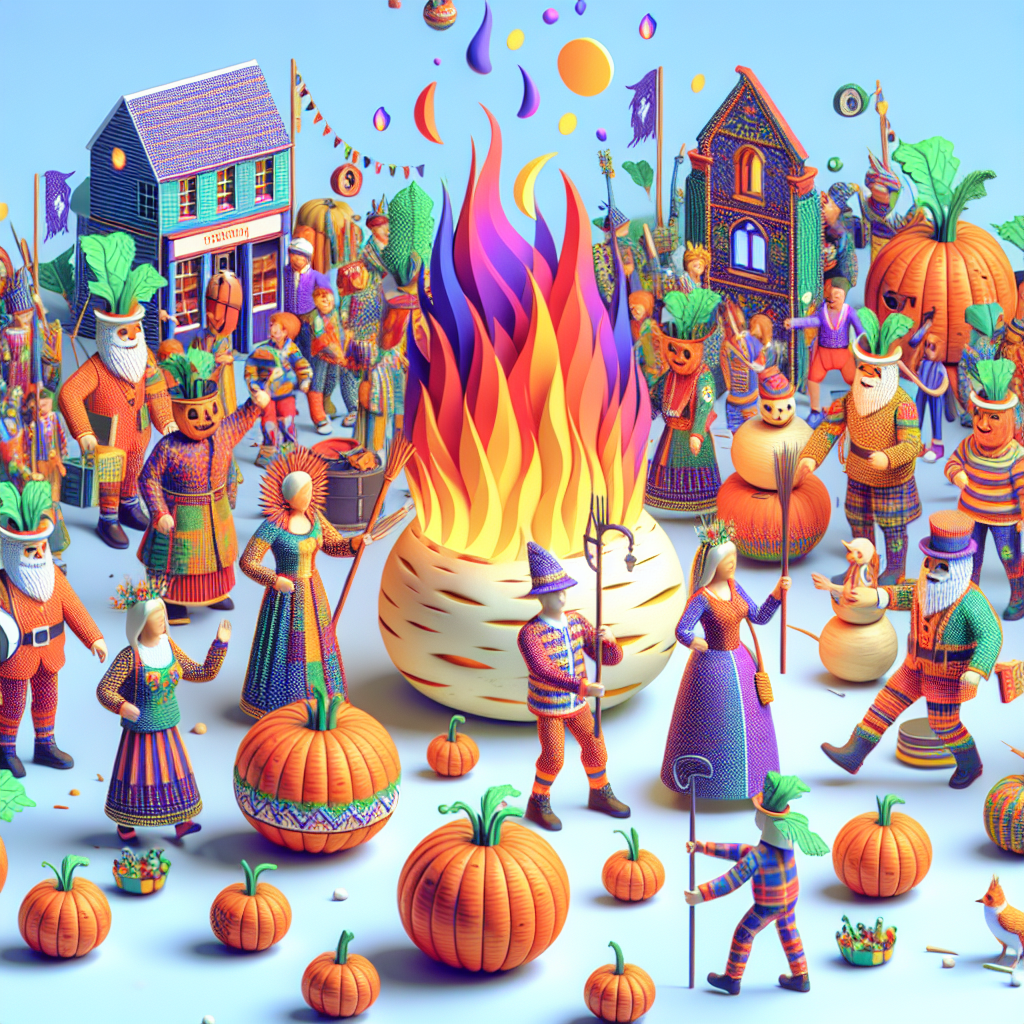
Despite the chill in the air, Calan Gaeaf is brimming with activities meant to bring warmth to the heart. Bonfires, known as Cofio'n Coed or ‘watchfires’ in some regions, were lit to ward off the evil spirits. This practice wasn't just about superstition. It was an opportunity to gather together and strengthen community bonds. The science of warmth is timeless—our bodies crave heat to fend off the cold, and fire provides both physical and psychological comfort.
Children would often play a game called coelcerth. They’d write their names on rocks and place them around the perimeter of the fire. If a person's stone was missing the next morning, it was believed they would not last the winter! Thankfully, this superstition has mostly been left in the past.
Another charming tradition involved the consumption of soul cakes, small cakes with crosses on top, shared in memory of loved ones who have passed on. This practice reinforces the idea of community and remembrance, a beautiful ritual that signifies human connection transcending time.
A Feast of Science and Seasons
Economically and scientifically, Calan Gaeaf marked a critical period of preparation for the colder months. It was a time for stocktaking, both literally and metaphorically. Harvests were over, and communities settled in, prepared to rely on what had been gathered during the warmer months. This forced an engagement with sustainable practices and foresight, as the survival of the community depended heavily on these strategies.
Today, we might draw parallels with how we manage our resources and plan for future challenges, emphasizing the importance of foresight in tackling issues like climate change. Science reminds us that understanding our environment, much like our ancestors did, can prepare us for a resilient future.
Myths, Magic, and Modernity
While the tales of spirits and superstition add an air of mystery to Calan Gaeaf, it's essential to recognize the deeper meanings woven throughout this celebration. This ancient festival offers a unique lens through which we can view the balance of light and dark, life and death. It is a time not just of fearsome specters but of introspection and connection.
Today's celebrations of Calan Gaeaf have evolved, blending age-old customs with modern interpretations, much like how Halloween has spread and changed globally. Festival-goers might find themselves engaging in parades, community feasts, or even thematic parties inspired by the original traditions. In a way, Calan Gaeaf becomes a bridge, linking the old with the new.
Embracing the Change
As the days grow shorter and the nights longer, one can't help but reflect on the cyclical nature of life that Calan Gaeaf celebrates. It’s a poignant reminder that seasons change, sometimes dramatically so, but in these changes, there is predictability and comfort. Embracing seasonal shifts not only helps us prepare physically, like our ancestors did, but also lets us foster a deeper connection to the world and each other.
By understanding Calan Gaeaf, we gain insight into how humans have historically reacted and adapted to seasonal change, developing traditions that reinforce community, continuity, and survival. It's a slice of human ingenuity and resilience, a testament to our ancestors' ability to navigate life’s changes with optimism and creativity. This is the same spirit that can inspire us today as we face our challenges, large and small.
A Celebration of Humanity
Calan Gaeaf, in its celebration and remembrance, offers us a treasure trove of lessons in sustainability, community, and adaptation. It's an exquisite reminder that no matter the season, humanity's capacity to learn and grow remains as bright as the fires that once lit the night skies of Wales.