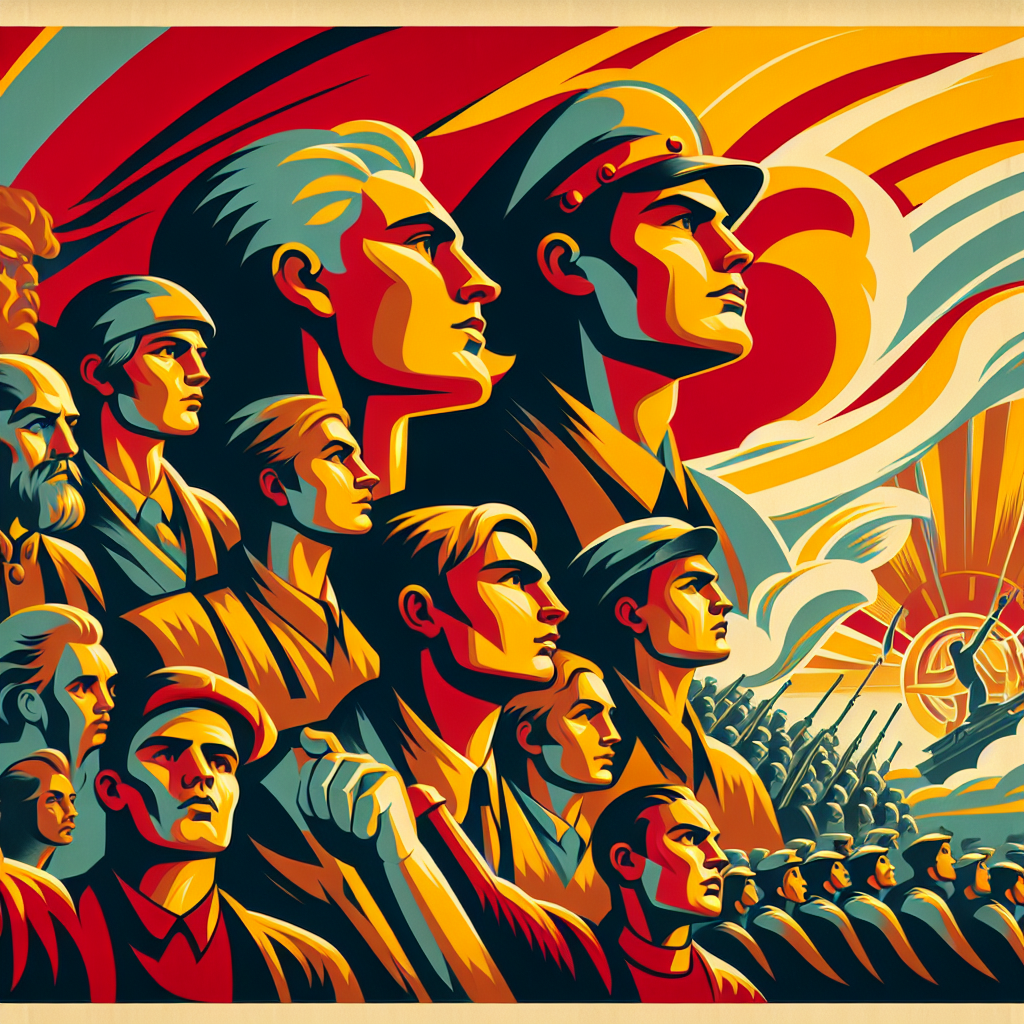

Meet Boris Ioganson: The Paintbrush Pioneer of Soviet Art
Ever wondered who could combine the vibrancy of revolutionary zeal with the finesse of fine art? Enter Boris Ioganson, a trailblazing Soviet painter whose canvas was as expansive as his vision. Born in Moscow in 1893, Ioganson became a pivotal figure in Russian and Soviet art during a transformative period. Known for his significant contributions to Socialist Realism, a state-sanctioned art style that aimed to glorify the ideals of communist society, Ioganson's works were vibrant portrayals of life, labor, and ideology.
From Moscow to the World: Ioganson’s Artistic Journey
Boris Ioganson's artistic roots were nourished in his birthplace, Moscow, a city pulsating with change during the early 20th century. Here, he honed his skills at the prestigious Moscow School of Painting, Sculpture, and Architecture. The city’s ever-changing political and social landscape provided rich fodder for his artistic exploration. Ioganson's work often mirrored the era's intense state building, capturing both the triumphs and struggles of Soviet society.
Beyond Moscow, Ioganson's work traveled far and wide, resonating with audiences across the globe who were intrigued by the Soviet ideals visually encapsulated in his art. Through his mastery of the brush, he immortalized key moments and themes of Soviet life, compelling even those outside the communist world to recognize the unique beauty and passion imbued in his depictions.
Masterpieces with a Mission: Ioganson’s Notable Works
Ioganson was not just painting pictures; he was painting futures. One of his most celebrated works, "Interrogation of the Communists" (1933), exemplifies his commitment to illustrating the hardships and heroism of Soviet citizens. This painting is a poignant reminder of the tense political climate of the time, representing the courageous resolve of the communists.
Another significant piece, "The Bolshevik" (1927), captures the fiery dedication of a revolutionary figure. This particular work is often lauded for its stark, impossibly intense depiction of ideological fervor. Ioganson's keen attention to detail and dynamic use of color lent a unique vibrancy to his subjects, setting his work apart in the annals of Socialist Realism.
The Ideology Behind the Art
Understanding Ioganson’s art requires a foray into the ideology that motivated it. Socialist Realism was not merely an art form; it was a didactic tool designed to promote the values and narratives that Soviet leaders deemed essential for the state’s advancement. As such, Ioganson’s art often showcased motifs of collective work, heroic proletarian figures, and idyllic portrayals of agrarian life.
His paintings often exuded optimism and vigor, qualities that aligned closely with the rigid yet hopeful ideology of the Soviet regime. The intention was to inspire pride, commitment, and often encourage citizens to emulate the model proletarians portrayed in these artworks. Ioganson's creations were less about personal expression and more about contributing to the larger narrative of Soviet aspirations.
Ioganson’s Impact and Legacy
Boris Ioganson's work marked a defining period in the evolution of Soviet art. His ability to merge creative expression with political messaging helped lay the groundwork for future generations of artists in the realm of Socialist Realism. While some may see this artistic style as propagandistic, it undeniably required exceptional skill and profound understanding to effectively convey complex societal ideals onto the canvas.
Ioganson’s commitment to his craft and cause left a lasting impression on both his contemporaries and successors. His paintings remain preserved in major Russian museums, including the revered Tretyakov Gallery, where they continue to be studied and admired by art lovers and historians alike.
An Ongoing Influence
Even as the political tides have long shifted since Ioganson’s era, his artistic techniques and thematic focus continue to influence modern art. Elements of his composition, color schemes, and storytelling techniques are evident in various contemporary works that explore social and political themes.
In closing, Boris Ioganson’s life and work exemplify the powerful intersection of art and ideology. His paintings not only documented an era but also actively participated in shaping the societal narrative of his time. Through his work, Ioganson made an indelible mark on the cultural landscape, both inside and outside Soviet borders, reminding us of the enduring power of art to reflect and influence the human condition.