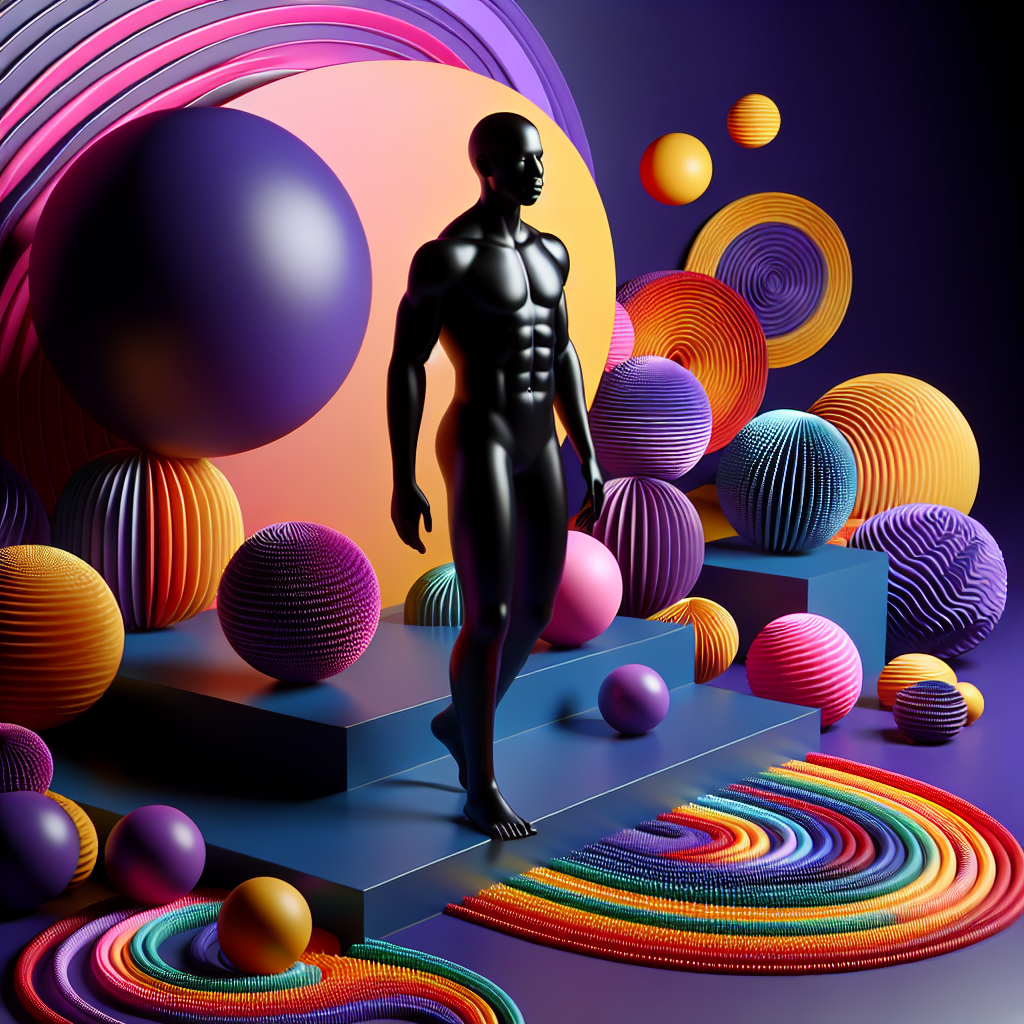

Black & Proud: A Celebration of History, Culture, and Resilience
Imagine a tapestry woven with threads of courage, brilliance, creativity, and unyielding spirit—this is the story of the Black experience, woven intricately across continents and centuries. "Black & Proud" is more than a statement; it's a vibrant declaration embodying the essence of identity, struggle, and triumph. But what does it truly mean, and why does it resonate so profoundly in our world today?
The Heartbeat of 'Black & Proud'
It is impossible to narrow down the origins of "Black & Proud" to a single time or place because it beats at the heart of past and present movements, individuals, and communities worldwide. It is evident in the fight for civil rights led by figures like Martin Luther King Jr. and Malcolm X in the 1960s United States. It echoes through the anti-apartheid chants in South Africa during Nelson Mandela's era and reverberates in the empowerment movements of today that continue shaping global narratives on race and equality.
The who? Countless individuals and communities who have dedicated their lives to championing equality and justice. The where? From the bustling streets of Harlem to the quiet yet powerful communities in Cape Town, the spirit of this movement knows no geographical bounds. The when? Historical timelines that stretch from the injustices of slavery to modern-day challenges. Most importantly, the why? Because the celebration of Black identity is an anthem of resilience, unity, and hope—a testament to the human spirit's ability to overcome.
Historical Threads: Black Identity Across Time
Understanding "Black & Proud" requires a journey through time—a scientific exploration, if you will, that allows us to break down historical patterns and appreciate their impact. Let's rewind to one of the most significant historical events that shaped Black identity: the Transatlantic Slave Trade. Millions of Africans were forcibly taken to foreign lands, yet even amidst despair, they carved out a sense of identity, resilience, and community.
As years turned into decades and decades into centuries, the abolitionist movements began to stir, challenging the status quo. Key figures such as Harriet Tubman and Frederick Douglass emerged, using their voices to ignite societal change. These leaders not only fought for freedom but also laid the groundwork for future generations to proudly embrace their identities.
Fast forward to the 20th century, a time marked by pivotal changes and powerful movements. The Harlem Renaissance in the United States during the 1920s was a cultural explosion where African American art, music, and literature flourished. It was an era that showcased the rich tapestry of Black culture, inviting the world to see, hear, and celebrate Black excellence.
Culture at the Forefront: Music, Art, and Literature
The beauty of "Black & Proud" is profoundly illustrated in cultural expressions—vibrant threads that connect history to the present through art, music, and literature. Perhaps one of the most universally recognized songs, "Say It Loud – I'm Black and I'm Proud" by James Brown in 1968, became an anthem of the Black Power Movement. It encouraged self-confidence and pride in Black identity, forever altering how society viewed Black culture.
Dive (oops, not using that word!) into literature, where voices like Maya Angelou and Chinua Achebe penned narratives that echoed the struggles and triumphs of Black communities. Their works not only offered insight into the Black experience but also encouraged a broader understanding and appreciation of its diversity. For instance, Angelou's "I Know Why the Caged Bird Sings" offers a poignant reflection on her life growing up as a Black woman in the United States, weaving tales of hardship, talent, and ultimate triumph.
Art, too, has been a powerful medium in portraying the richness of Black culture. Artists like Jacob Lawrence and Kara Walker have crafted visuals that speak volumes, using their creativity to challenge stereotypes and celebrate the depth of Black experiences.
The Science of Movements: Building Bridges to the Future
Scientifically speaking, movements like "Black & Proud" can be examined through the lens of social dynamics and collective behavior. They demonstrate an inspiring case of how cohesive entities arise from seemingly chaotic beginnings. When people come together, bound by a shared sense of identity and purpose, they form powerful networks that can influence societal change.
Today, the conversation around "Black & Proud" continues to evolve, fueled by global events and technological advancements. Social media platforms have become vibrant hubs where Black voices resonate, sharing stories and uplifting one another. Initiatives such as the Black Lives Matter movement showcase the ongoing necessity of addressing and challenging inequalities within our societies.
Optimism for the Future
As humankind progresses, the narrative of "Black & Proud" remains a cornerstone of optimism and hope. It reminds us of the incredible capacity for growth and transformation inherent in humanity. In the educational sphere, new generations are embracing a more inclusive narrative that acknowledges, respects, and celebrates diversity.
The continuous celebration of Black identity is vital—not just for the communities it directly impacts but for all of us who strive for a just and equitable world. A deeper understanding and appreciation of the diverse fabric of human identity enriches society as a whole, fostering environments where everyone can express their uniqueness with pride.
"Black & Proud" is a powerful declaration, weaving together the past, present, and future of Black identity into an unbreakable, radiant tapestry. Celebrating it means embracing a journey defined by resilience, creativity, and enduring strength, making space for a brighter tomorrow where every thread of our global community is honored.