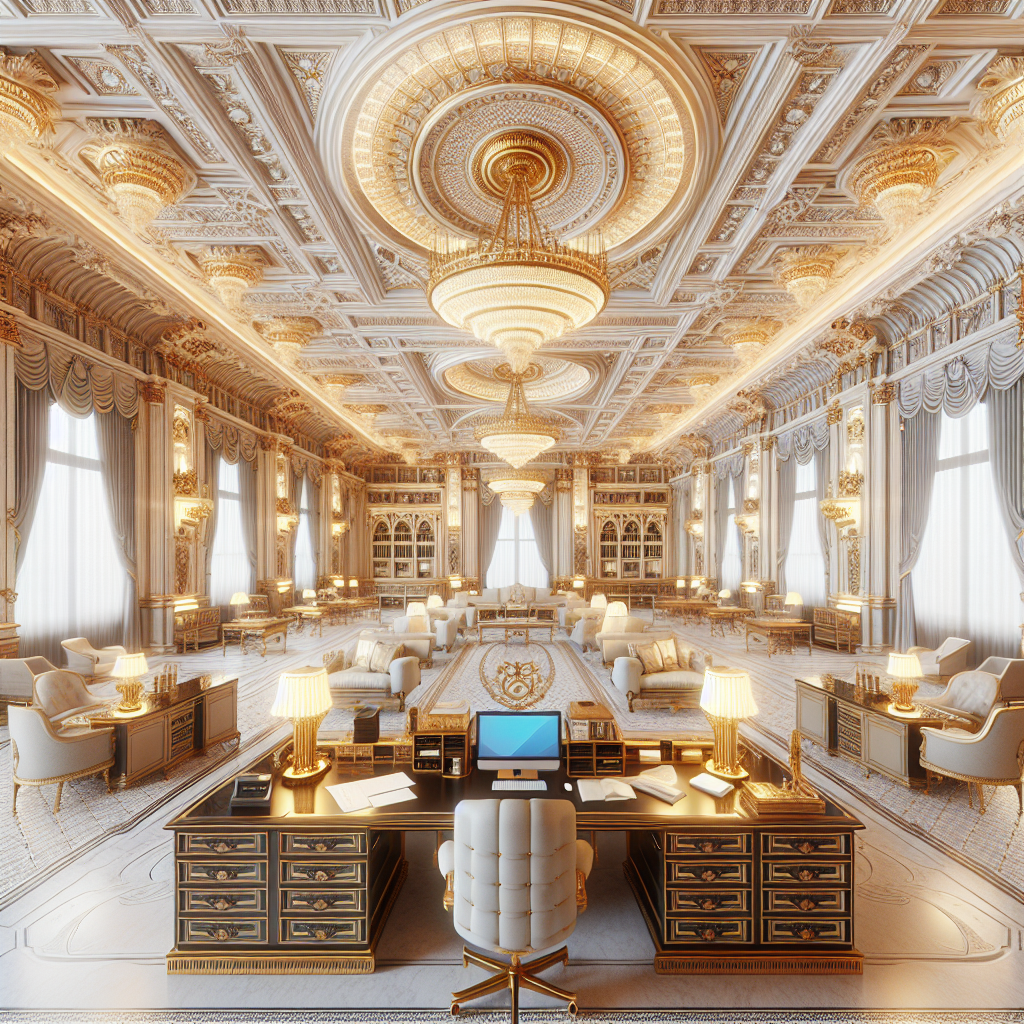

The Biltmore Estate Office: A Glimpse into America's Gilded Age
Imagine stepping into a world where opulence and grandeur are the norms, and you find yourself in the Biltmore Estate Office, a testament to the Gilded Age's architectural and cultural splendor. The Biltmore Estate, located in Asheville, North Carolina, was built by George Washington Vanderbilt II between 1889 and 1895. This magnificent estate, the largest privately-owned home in the United States, was designed by architect Richard Morris Hunt and landscape architect Frederick Law Olmsted. The estate office, a crucial part of this grand residence, served as the administrative hub for managing the vast property and its numerous operations.
The Biltmore Estate Office was where the business of running the estate was conducted, from managing the household staff to overseeing the agricultural and forestry operations. This office was essential for maintaining the estate's self-sufficiency, a vision Vanderbilt had for his property. The estate itself spans over 8,000 acres and includes a winery, gardens, and a village, all of which required meticulous planning and management.
The Biltmore Estate Office was not just a place of work but also a reflection of the era's technological advancements and architectural style. Equipped with the latest innovations of the time, such as electric lighting and telephones, the office was a marvel of modernity. The design of the office, like the rest of the estate, was influenced by the French Renaissance style, showcasing intricate woodwork, luxurious furnishings, and attention to detail that was characteristic of the Gilded Age.
Today, the Biltmore Estate Office stands as a historical landmark, offering visitors a glimpse into the past and the life of one of America's wealthiest families. It serves as a reminder of the era's industrial growth, social change, and the pursuit of beauty and innovation. The estate continues to be a source of fascination and inspiration, drawing millions of visitors each year who are eager to explore its rich history and stunning architecture.