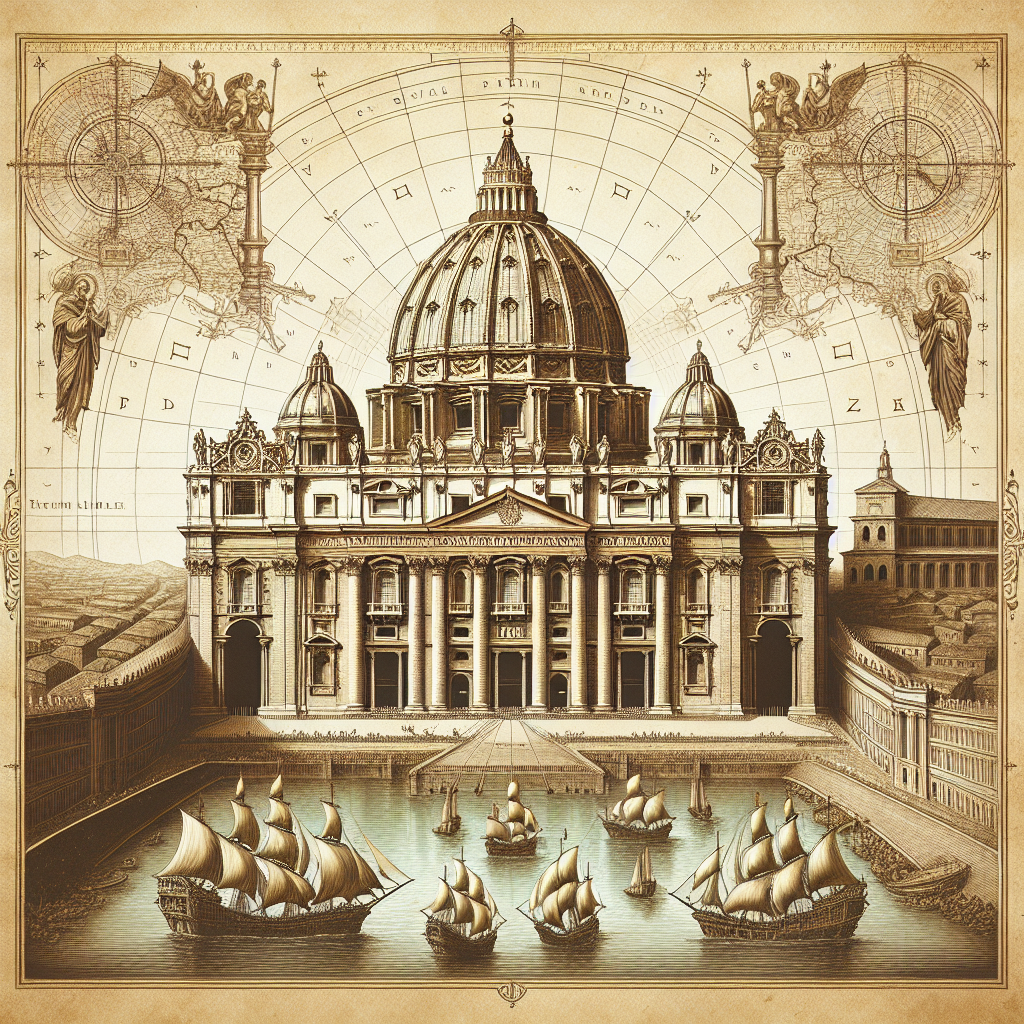

Stepping into the Basilica of Sts. Peter and Paul in Reichenau is like opening a time capsule to a millennium past, offering a rare glimpse into medieval monastic life. Nestled on the serene island of Reichenau in Lake Constance, this magnificent basilica was originally constructed in the late 8th century; more specifically, the construction began in 799 AD under the guidance of Abbot Hatto. The site is famously associated with the Benedictine monastery, which was a beacon of spiritual and cultural life during the early Middle Ages. Today, not only does the basilica remain a place of worship, but it also serves as an incredible testament to human architectural ingenuity.
So, let’s embark on an exploratory journey to uncover what makes this basilica so special. Our exploration dives into its history and architectural marvels—the intricacies of its art, the stories of its founders, and why it continues to fascinate us even after centuries.
The Glorious Past of Reichenau
Imagine a community that was once at the heart of religious, cultural, and political activity. The island of Reichenau was recognized and added to UNESCO's World Heritage List in 2000 for its unique congregation of early medieval monastic buildings. The basilica itself is a testament to this extraordinary time, originally consecrated in the year 799. It's fascinating that during its heyday, the Reichenau monastery was one of Europe’s most significant spiritual centers. Absent of modern distractions, monks dedicated their days to prayer, work, and intellectual pursuits, creating an atmosphere of profound cultural enrichment.
Architecturally Speaking: A Tribute to Human Creativity
When it comes to medieval architecture, the Basilica of Sts. Peter and Paul is a triumph of design. Constructed in the Romanesque style—replete with robust stone walls, rounded arches, and impressive symmetry—the structure stands proudly as a testament to the era's architectural ambitions. Its Westwerk, or western front, is particularly noteworthy for its solid, towering presence.
Walls That Speak
What truly mesmerizes any visitor are the incredible frescoes adorning the basilica's interior walls, revealing their medieval origins. They encapsulate a visual narrative of biblical stories that seem to dance in the candlelight. Among these is the renowned fresco cycle depicting apostles and archangels, reflecting both the piety and artistic prowess of its time.
Each fresco tells a story not just of the religious figures depicted, but of the artists and monks who committed their lives to preserving such stories in color and form. These artworks were more than mere decoration; they were integral to educating a largely illiterate populace about biblical tales and ecclesiastical teachings.
The Human Story Behind the Stone
The Basilica of Sts. Peter and Paul is also a narrative about the people who have contributed to its creation and ongoing preservation. Founded under the reign of Charlemagne—yes, that Charlemagne—the basilica reflects the visionary scope of his leadership, encouraging spiritual growth alongside intellectual and cultural advancement.
Through centuries of change, from influential abbots to Napoleonic wars, the basilica has been lovingly preserved and restored, with numerous families and generations pouring their talents into maintaining its majesty. Each conservation effort is not just about preserving a building; it’s about cherishing a connection to our cultural heritage.
Peaceful Present: A Modern-Day Haven
Besides its historical and architectural appeal, today the basilica continues to inspire and awe visitors from around the globe. It serves as a functioning church, welcoming locals and tourists to experience its serene atmosphere, reflective of the wisdom and tranquility cultivated by centuries of monastic life.
In a world bustling with activity and distraction, the basilica offers a peaceful space to reflect, learn, and grow. This spiritual tranquility is palpable from the moment you step inside, as history envelops you in an embrace of stone, artistry, and silence.
Looking Toward the Future
It is exhilarating to contemplate the future of such a cherished site. As modern scholars study its complexities, from art historians analyzing its frescoes to architects surveying its structural integrity, each discipline brings new insights and overcomes challenges to ensure its survival for future generations.
Community involvement also plays a vital role, emphasizing not only the preservation of stone and pigment but also the intangible—stories, traditions, and the shared human experience. Engaging youth through educational programs and heritage initiatives ensures that this living monument does not stand merely as a relic of the past, but as a vibrant component of our shared future.
Conclusion
The Basilica of Sts. Peter and Paul, Reichenau is a marvel of medieval architecture and a testament to human dedication towards art, religion, and community. Its walls reverberate not just with ancient prayers but with the enduring spirit of human creativity and resilience. As we continue to study, preserve, and celebrate this majestic structure, we honor both the past from which we have come and the bright, boundless future ahead.