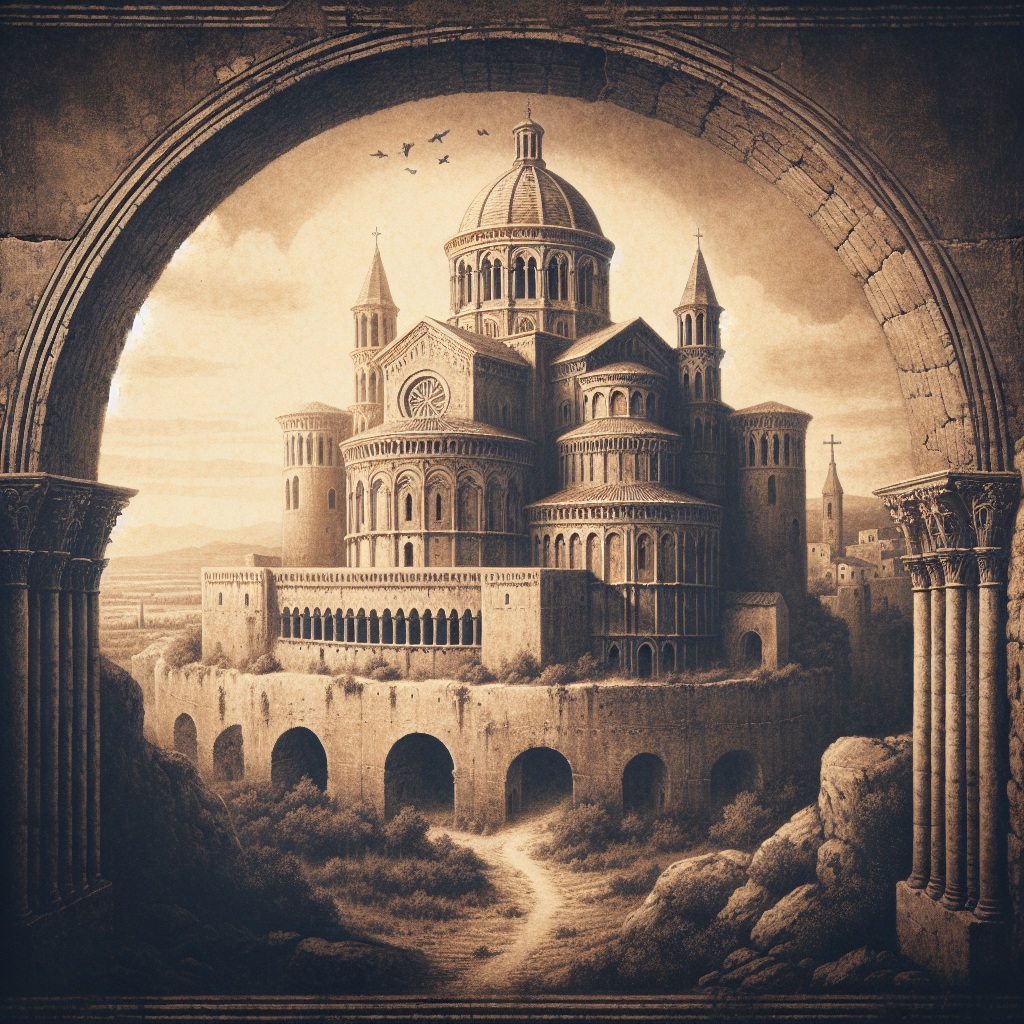

Imagine wandering back to the Middle Ages and stepping into a sanctuary where history and architecture elegantly intertwine. Welcome to the Basílica de Santa Maria de Castelló d'Empúries, a stunning example of Catalan Gothic architecture that stands proudly in Castelló d'Empúries, a quaint town in the province of Girona, northeastern Spain. Built between the 13th and 15th centuries, this basilica is a fascinating reflection of the past, originally intended to be a cathedral and now serving as the focal point of the town’s religious activities. Let’s embark on a scientific and optimistic exploration of why this architectural gem deserves a place on your travel itinerary.
A Testament to Time: Architectural Marvel
The Basílica de Santa Maria was conceived during a vibrant period of architectural transformation. As you stand before its grandiose façade, appreciation for its Catalan Gothic intricacies blossoms. The basilica’s architecture features pointed arches, ribbed vaults, and intricately detailed stone carvings, a stark metaphor for the dexterity and artistry of medieval craftsmen.
The most significant element of its architecture is the mix of styles that unfolded over centuries of construction. Originally planned as a cathedral, the tension between ambition and resources is narratively carved into every stone. The external decoration speaks volumes of religious symbolism, with statuary and ornamentation offering insights into the spiritual and cultural milieu of the ages.
Historical Depths: From the 13th to the 21st Century
Santa Maria’s history intertwines with that of the entire region, being subject to changes in political and ecclesiastical power. During the 13th century, when the Count of Empúries sought ecclesiastical independence, the ambitions for the basilica were grandiose, aspiring to match the grandeur of contemporary churches. However, the fluctuating fortunes of the region meant that Santa Maria never achieved its cathedral status, though it retains the aura and import of a pivotal religious site.
Fast forward to today, and while the basilica no longer aspires to ecclesiastical predominance, it beautifully preserves centuries of history, acting as a magnet for historians and enthusiasts who share a passion for Gothic splendor. It attracts thousands of visitors each year, serving as a conduit through which the past's whispering echoes reach the present.
Scientific Splendor: Structural Ingenuity
From a scientific perspective, the basilica stands as a testament to medieval engineering ingenuity. The ambitious height of the naves demonstrates an advanced understanding of balancing forces within large structures, a testament to the groundbreaking discoveries and practices of the era’s architects.
Noteworthy is its bell tower, a beacon in this historic town. Initially conceived as a defensive structure, this dual-purpose tower rises to a significant height, illustrating the blend of practical necessity and artistic aspiration. The tower, while harmonious with the rest of the structure, tells its own tale of adaptability, resilience, and artistry.
Cultural Significance: More Than Stone and Stucco
Beyond its physical presence, the Basílica de Santa Maria serves as a cultural keystone for the community. Here, traditions are both celebrated and fostered, providing a living connection to history for future generations. Traditions such as the annual Sacred Music Festival offer an auditory layer to the basilica's charm, inviting people to transcend sight and enter a world where acoustics harmoniously blend with history.
The basilica is also home to a collection of significant artworks, including a series of altarpieces that provide an invaluable insight into the region’s artistic development over time. These works of art, much like the architecture, encapsulate the spirit of an age, allowing a deep dive into religious narratives and iconographies that shaped medieval and renaissance thought.
Why It Matters: Inspiring the Future
Why should this ancient structure captivate our interest today? The Basílica de Santa Maria de Castelló d'Empúries is not just a monument to what has been; it is an inspiration for what can be achieved when community, creativity, and ingenuity coalesce. It stands as a robust reminder of human potential and achievement, acting as a mirror reflecting our history and providing lessons for the future.
To close our journey into this historical marvel, appreciating the basilica unfolds beyond recognizing its stones and statues. It involves embracing the human stories, the community gatherings, and the scientific and artistic endeavors that it has nurtured through the ages. So, whether you are an avid historian, architecture aficionado, or simply someone who cherishes links between the past and present, the Basílica de Santa Maria offers a unique portal through which to enhance our understanding of humanity. Venture into this magnificent space and allow yourself to be inspired by the wonder and wisdom of ages past.