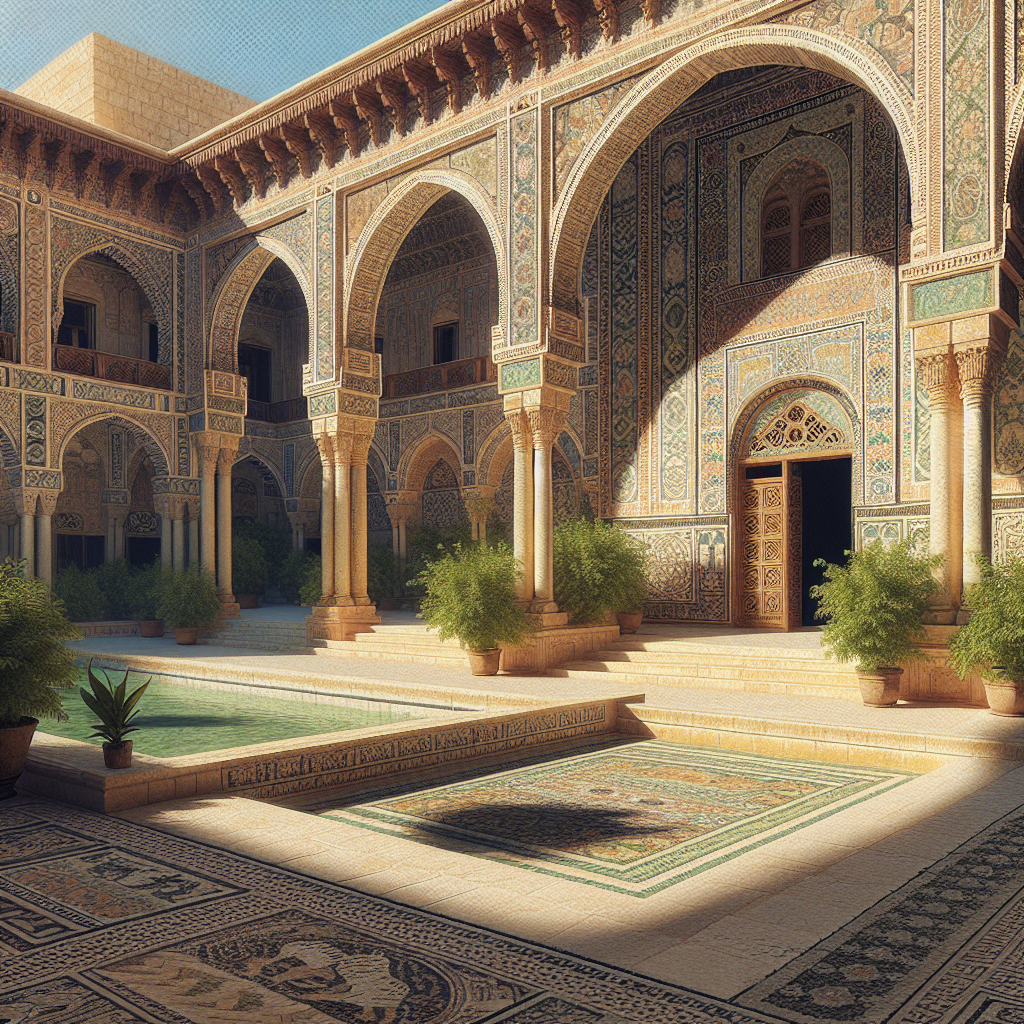

In the delightful embrace of time and human genius lies Azm Palace in Hama, Syria, a place where history converges with intricate artistry, compelling narratives of humanity to walk through its storied halls. Built in the mid-18th century by the Ottoman governor As'ad Pasha al-Azm, this architectural marvel not only provides a shelter for its residents but tells the intricate tale of cultural confluence and the art of refined living. Located in the heart of the ancient city of Hama—a place known for its beautiful gardens and mesmerizing waterwheels—Azm Palace is more than just a building; it's a relic of a period where architecture met poetry and told the tales of both grandeur and daily life.
A Glorious Canvas of Ottoman Artistry
Step into Azm Palace and be prepared to travel back to a golden era of creativity and style. The palace serves as a fantastic example of Ottoman architecture, known for its fine blend of grandeur and functionality. Every corner of the building, from the intricate woodwork to the exquisite stone carvings, speaks of the meticulous craftsmanship that characterizes this period. These features are not just static pieces of art; they collectively narrate the vibrant culture and history of the time, making every stone a storyteller.
The interior of Azm Palace is a fascinating dance between light and shadow, with rooms designed to catch the breeze and light in ways that were ahead of their time. The use of traditional materials like stone, wood, and plaster creates a harmonic resonance with nature, allowing the palace to exhibit a unique sense of calm and majesty.
Bridging Cultures and Eras
Azm Palace isn't merely a physical structure; it's a testament to the multicultural tapestry of the Ottoman Empire. The Ottomans were known for embracing a variety of cultures and allowing them to flourish under their reign. Azm Palace embodies this ideology, showcasing a fusion of different architectural styles from Arab to Anatolian, highlighting a period defined by its inclusivity in cultural understanding.
The palace, therefore, becomes an open invitation to explore the blend of societal norms and artistic expressions that have shaped its formation. Its design tends to draw on elements that are part East, part West, proving that art, much like history, benefits greatly from cross-cultural influences.
Guardians of Time: The Restoration Efforts
What sets Azm Palace apart is not only its past but also its resilience. Over the decades, the palace has endured environmental challenges, societal upheavals, and the weariness of time, yet it stands firm as a keeper of stories. Perhaps one of the most exciting chapters in its history is the ongoing preservation efforts. Restoration of historical monuments like Azm Palace reflects a greater commitment to safeguarding humanity’s shared heritage.
Restoring old structures requires a scientific approach—understanding the original building methods, materials used, and the underlying cultural significance to ensure that restorations are true to the initial spirit. The work being done at Azm Palace is not just a preservation of stone and wood, but a rejuvenation of identity, where every artisan involved becomes part of this centuries-old narrative.
An Educational Journey Through History
Azm Palace today serves both as a tourist attraction and a museum, offering visitors a rich journey through Syria's historical and cultural landscape. Walking through the galleries is akin to paging through a history book, only more immersive. The museum's exhibits present not only the life and times of the Azm family but also broader societal elements of 18th-century Syria, providing insight into the past lives of real people whose joys and struggles mirror our own.
Moreover, Azm Palace represents an opportunity for all of us, and particularly scholars and historians, to engage with the past meaningfully. Every mural and mosaic reflects not just the aesthetic preferences of a bygone era but also the social, political, and economic fabric of its time, prompting questions about continuity and change in human history.
Humanity's Heritage: More Relevant Than Ever
In today’s rapidly changing world, places like Azm Palace stand as reminders of the incredible depths and heights of human achievement. They evoke an optimistic curiosity about what our ancestors found valuable, how they interpreted beauty, and how they communicated their hopes and aspirations across generations.
It is easy to see why preserving Azm Palace matters; it is less about nostalgia and more about recognizing its potential to educate and inspire future generations. Through these stone-laden corridors, we not only acknowledge our complex pasts but also construct bridges to a future rooted in the understanding and celebration of diverse cultural influences.
Azm Palace in Hama is an archaeological symphony—a composition where every part tells a vital part of the whole story. It's a place where every visitor, stepping into its tranquility, becomes a part of this living puzzle, exploring not only history but the enduring human spirit.