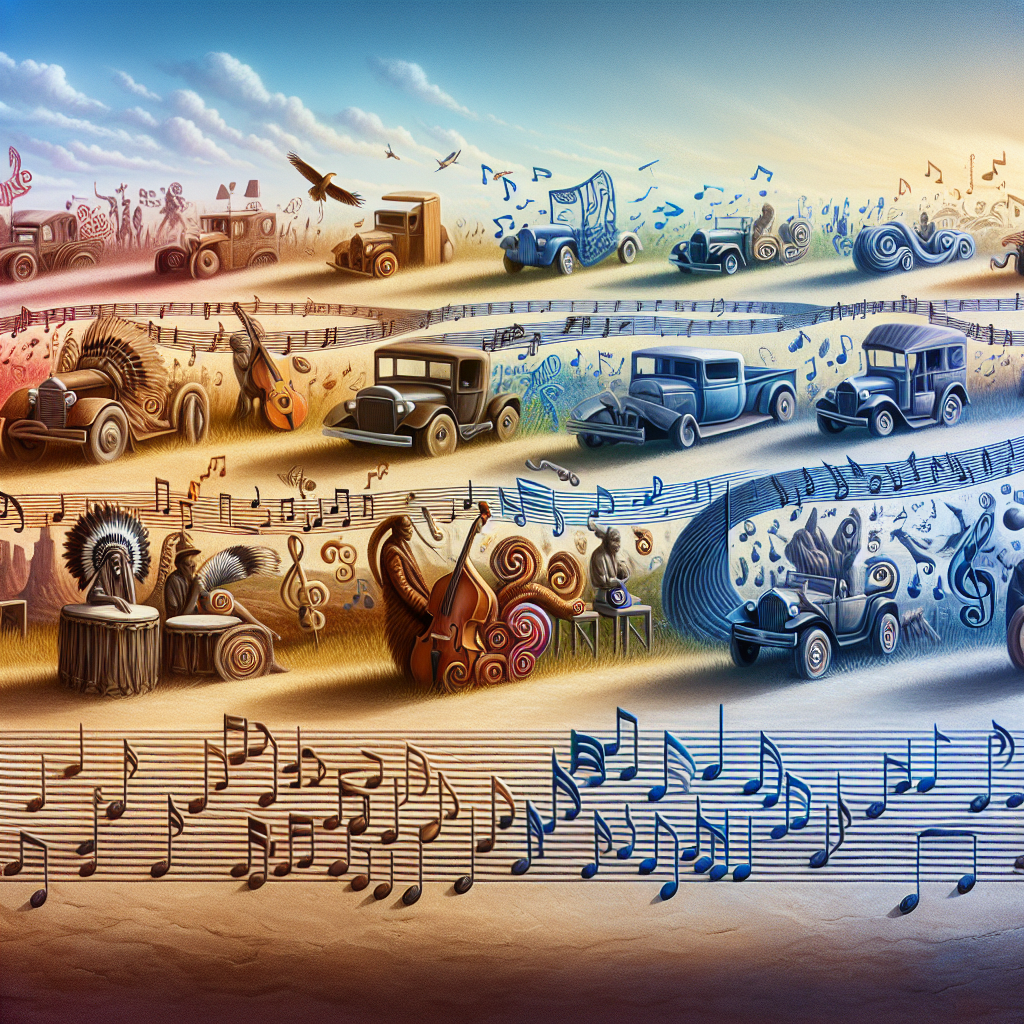

The Melodic Mosaic: Understanding American Songs
What do Ariana Grande, Bob Dylan, and Elvis Presley have in common? They are all musical icons who have contributed to the vast, melodic tapestry of American songs. American music is an engaging story that spans centuries, encapsulating the evolution of a nation that is as diverse as its sound. It all began in the early colonial days when immigrants brought folk traditions from their homelands, eventually transforming these influences during the 19th and 20th centuries into a thriving musical landscape. The evolution of American songs tells us not just who sang them or where they were composed, but also why they have become an indelible part of the American cultural identity.
From folk to jazz, from rock and roll to hip-hop, American songs have reflected societal changes, expressed human emotion, and influenced global musical trends. So what makes these songs genuinely quintessential to American culture and how did they come to be so influential worldwide?
The Roots of American Sound
The genesis of American music can be traced back to the blend of various cultural influences. In the early days, native songs interwove with European settlers’ tunes, creating a unique harmonic blend. African rhythms contributed significantly, profoundly influencing genres like blues, jazz, and later rock and roll.
One cannot overlook the role of religious music. Gospel and hymns, deeply rooted in Christian congregations, provided a platform for expression and community in towns across America. These songs were less about entertainment and more reflective of personal experiences and shared cultural narratives.
The 20th Century: A Musical Revolution
As the 20th century dawned, profound shifts occurred. Technological improvements like the phonograph and radio brought music into homes, bridging urban and rural divides and allowing different regions to influence each other sonically.
Early in the century, jazz quickly emerged from New Orleans, with artists like Louis Armstrong and Duke Ellington shaping the soundscape. Simultaneously, the blues moved up the Mississippi, embedding itself in cities like Chicago and later influencing rock musicians such as Elvis Presley and the Rolling Stones.
The post-war era brought even more variety. Rock and roll exploded onto the scene in the 1950s with fervor, youth rebellion, and dynamic performances. As Bob Dylan’s poignant lyrics resounded during the 1960s, his songs became anthems for civil rights and anti-war movements. The Beatles’ infamous U.S. tour and the British Invasion further expanded America’s musical borders and redefined what pop music could be.
Evolution and Innovation
The 21st-century American soundscape continued to evolve, with genres like hip-hop becoming not only a musical style but a cultural and political force. Artists like Jay-Z, Beyoncé, and Kendrick Lamar infused their music with socially conscious messages, expanding hip-hop beyond its roots into mainstream acceptance.
Technology continued to fuel innovation, with digital platforms and streaming services offering unprecedented access and opportunities for indie artists to emerge on a global stage. This democratization of music reflects the vast tapestry that American songs represent—innovative, inclusive, and continuously resonating with the spirit of generations.
Why American Songs Matter
American songs matter because they capture the essence of a constantly evolving culture. They provide a soundtrack to life’s myriad experiences—mourning, celebration, resistance, and revolution. Musically, they have continuously crossed boundaries, transcending racial and cultural divides, all while challenging societal norms and reflecting the tides of change.
American songs have long served as cultural ambassadors, explaining not just America’s preferences but also embracing a universal language of melody and rhythm that resonates beyond its borders. Musical genres born in America like jazz, blues, and hip-hop have inspired artists worldwide, demonstrating the power of music as a transformative and unifying force.
An Optimistic Note on Melody's Future
Isn’t it thrilling to consider what lies ahead in the realm of American songs? As technology, culture, and the shared human experience continue to evolve, so too will the melodies that define and reflect them. This constant state of change and redefinition is what makes this tapestry of sound so fascinating and, indeed, an ongoing celebration of creativity and the human spirit.
To sum up, American songs are emblematic of a nation's resilience, creativity, and enduring impact on the cultural world stage. Each note, lyric, and beat is part of a broader narrative, echoing the various chapters of American history, present, and future.