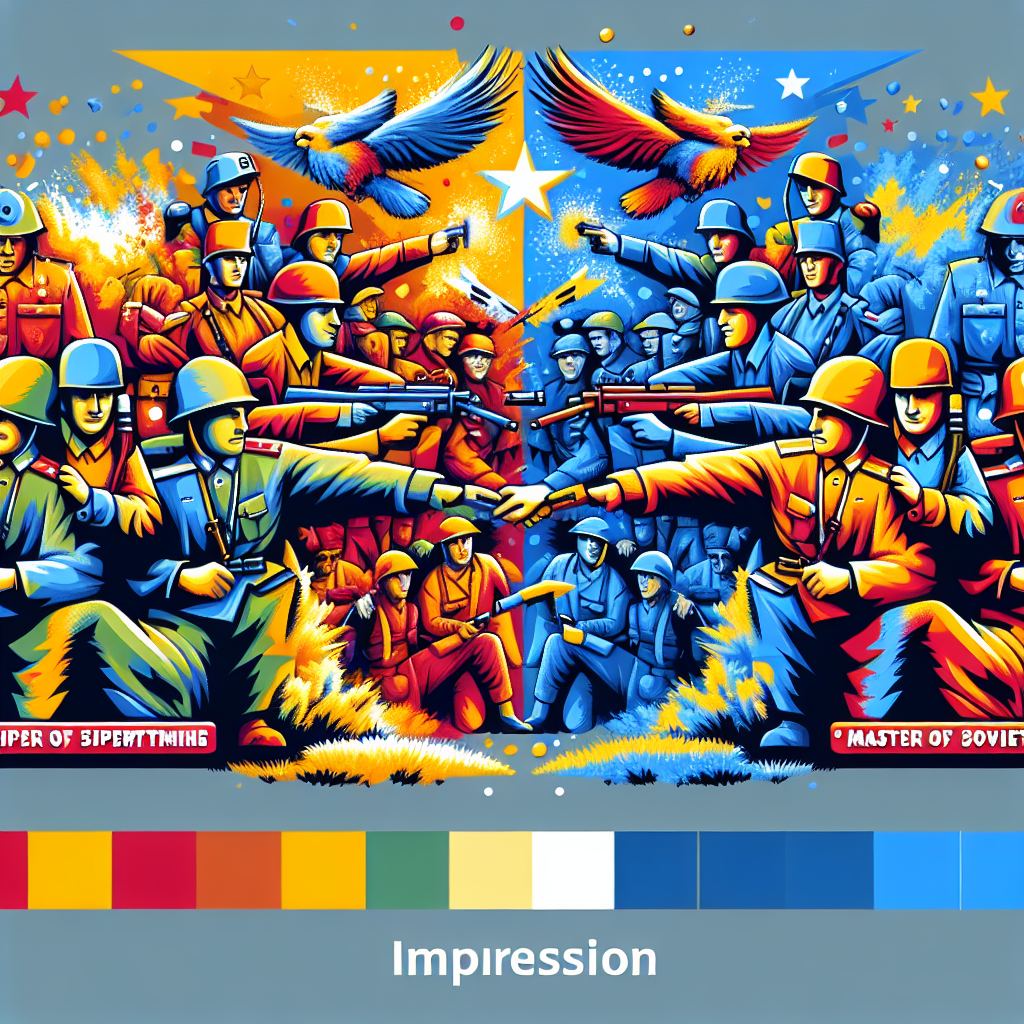

The Cinematic Legacy of Yuri Ozerov: A Soviet Maestro
Imagine a director whose films were so grand in scale that they could rival the epic tales of history itself. Yuri Ozerov, a Soviet filmmaker, was such a director. Born in Moscow in 1921, Ozerov became one of the most influential figures in Soviet cinema, particularly known for his war epics. His career spanned several decades, with his most notable works produced during the mid-20th century. Ozerov's films were not just entertainment; they were a means of shaping public perception and national identity during a time when the Soviet Union was a dominant force on the world stage.
Ozerov's most famous works include the "Liberation" series, a five-part film saga that depicted the Eastern Front of World War II from the Soviet perspective. These films were released between 1968 and 1971 and were monumental in their scope and ambition. They were shot across various locations in the Soviet Union and Eastern Europe, involving thousands of extras and military equipment to recreate the battles with stunning realism. The series was not only a cinematic achievement but also a tool of propaganda, designed to bolster Soviet pride and commemorate the sacrifices made during the war.
While Ozerov's films were celebrated in the Soviet Union, they also sparked discussions about the portrayal of history in cinema. Critics from the West often viewed his work as overly propagandistic, arguing that it presented a one-sided view of the war. However, within the Soviet Union, Ozerov was praised for his ability to capture the heroism and resilience of the Soviet people. His films were seen as a tribute to the soldiers who fought and died for their country, and they played a significant role in shaping the collective memory of the war.
Despite the political undertones of his work, Ozerov's films were also recognized for their technical brilliance. He was a master of large-scale battle scenes, using innovative techniques to create a sense of realism and immediacy. His attention to detail and commitment to authenticity set a new standard for war films, influencing filmmakers both in the Soviet Union and abroad. Ozerov's ability to blend historical accuracy with compelling storytelling made his films enduring classics in the genre.
Ozerov's legacy is a complex one, reflecting the tensions and contradictions of the era in which he worked. On one hand, he was a talented filmmaker who pushed the boundaries of what was possible in Soviet cinema. On the other hand, his films were deeply intertwined with the political agenda of the state, raising questions about the role of art in society. For many, Ozerov's work serves as a reminder of the power of cinema to shape narratives and influence public opinion.
In today's world, where the lines between fact and fiction are often blurred, Ozerov's films offer a fascinating case study in the use of cinema as a tool for storytelling and persuasion. They remind us of the importance of critically engaging with the media we consume and the narratives we accept. As we continue to grapple with the complexities of history and memory, Ozerov's work remains a testament to the enduring power of film to capture the human experience in all its complexity.