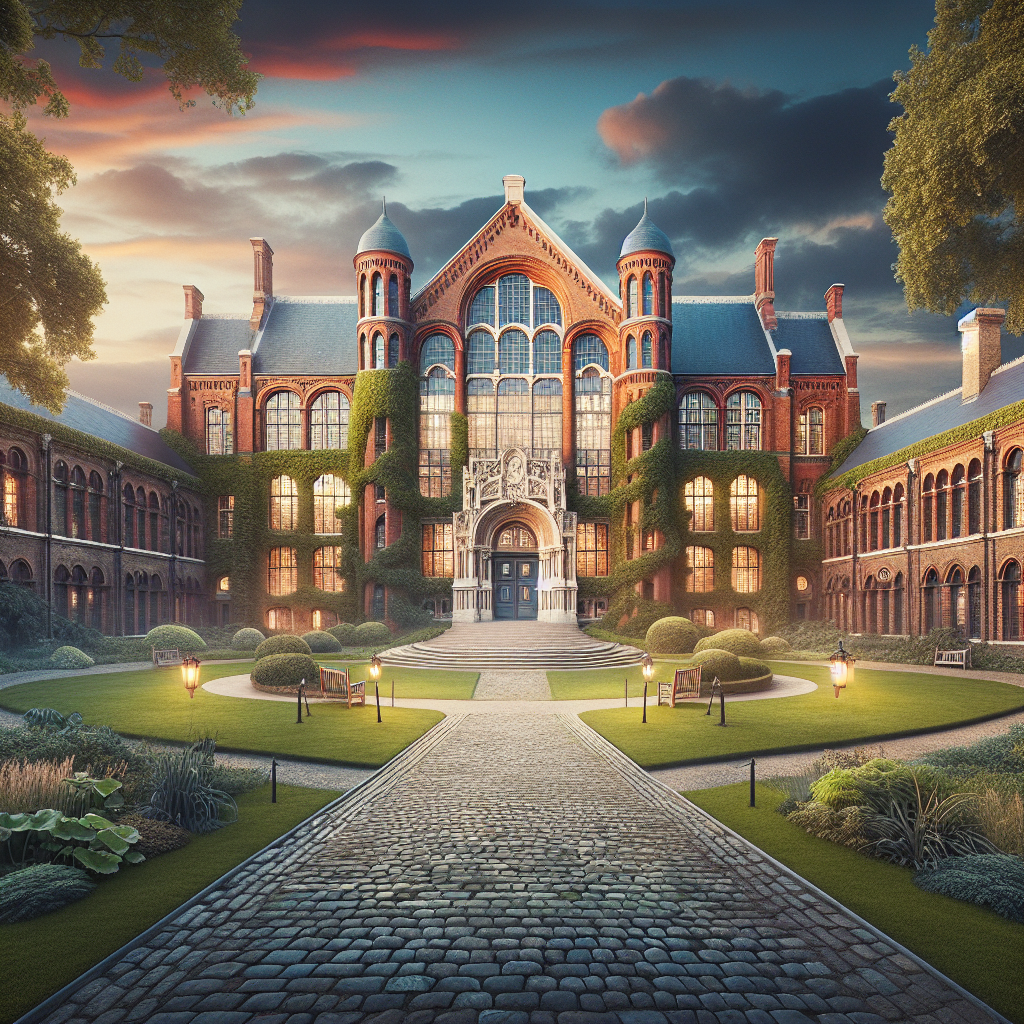

In the heart of Burnsville, North Carolina, where history meets the serendipity of small-town charm, the Yancey Collegiate Institute Historic District stands as a testament to the dreams and aspirations of a bygone era. Established over a century ago, this district tells a story of resilience, education, and community spirit.
In the late 1800s, Burnsville, like many parts of the United States, was in the throes of change. As the industrial revolution swept across the nation, small communities were fighting to preserve their identities. It was in this period, in 1901 to be precise, that the Yancey Collegiate Institute was born. This educational establishment was the brainchild of local citizens who believed in the transformative power of education. They envisioned a space that could breathe life into their community, offering young minds an opportunity to learn, grow, and eventually, lead.
The campus, now a historic district, is a blend of architectural styles, echoing the eclectic spirit of the time. Its red brick buildings, partly attributed to the Southern Colonial architectural style, owe their existence to the work of dedicated architects and craftsmen who paid meticulous attention to detail. Walking through the district today, it's easy to feel transported to a different time, where the air buzzed with the laughter of students and the earnest discussions of scholarly minds.
But why does this historic district matter today? For starters, it's a reminder of the shifts in educational philosophies and community values. At its peak, the Yancey Collegiate Institute was more than just a set of buildings. It was a beacon of higher learning and hope in an area that often faced economic challenges.
The institute was not without its challenges and critics. At a time when progressive ideas were slowly gaining ground, the institute represented both the promise and the limitations of its era. Educational institutions, especially in rural areas, faced scrutiny regarding accessibility and inclusivity. Inequities in education, often based on race and gender, were rampant, and while much has improved since then, these issues still persist in various forms across the country today.
Despite these challenges, the institute was a pioneer in providing quality education to students in the region. Teachers and administrators at Yancey Collegiate Institute were ahead of their time, recognizing the power of education as a tool for personal and societal change. Their efforts laid the groundwork for more modern educational standards and reforms.
As we reflect on the past, it's vital to recognize that the Yancey Collegiate Institute Historic District stands as a symbol of progress and resistance against the odds. Generations of students have emerged from its halls, carrying with them the knowledge and experience to engage with the world meaningfully.
Today, the district also serves as a tool for education in a different sense—illustrating the importance of preserving history and learning from it. Many young people from Gen Z might feel disconnected from such historical narratives, but there’s an intrinsic value in understanding the roots and evolution of community institutions.
The preservation of such historic sites also raises interesting debates. For many, the question is how to balance progress with preservation. As advocates for sustainable development push for infrastructure that meets modern needs, historical districts face the threat of being overlooked or mismanaged. There’s an argument to be made that while preserving history is crucial, it's equally important to ensure these spaces serve practical and sustainable purposes in contemporary society.
Opponents of historical preservation often point out the financial burden associated with maintaining such sites. These criticisms aren't entirely unfounded. Keeping up historical properties requires funding, expertise, and sometimes, legal interventions—all of which can be hefty expenditures for local governments and communities.
Yet, there's evidence to suggest that historically preserved districts can contribute significantly to local economies through tourism and education. They provide a tangible connection to the past, allowing stories to be told and memories to be shared, offering value that goes beyond monetary metrics.
The Yancey Collegiate Institute Historic District may not be buzzing with students today, but it continues to educate. It challenges us to think about how we can navigate a future while appreciating and understanding our pasts—a debate that's particularly relevant in our rapidly changing world.
For the residents of Burnsville and visitors alike, the district stands as a cultural and historical anchor. It reminds us that while times change, the core values like vision, resilience, and the belief in transformative education remain steadfast. The Yancey Collegiate Institute Historic District is more than a relic of history; it is a living lesson in the power of community, education, and forward-thinking.