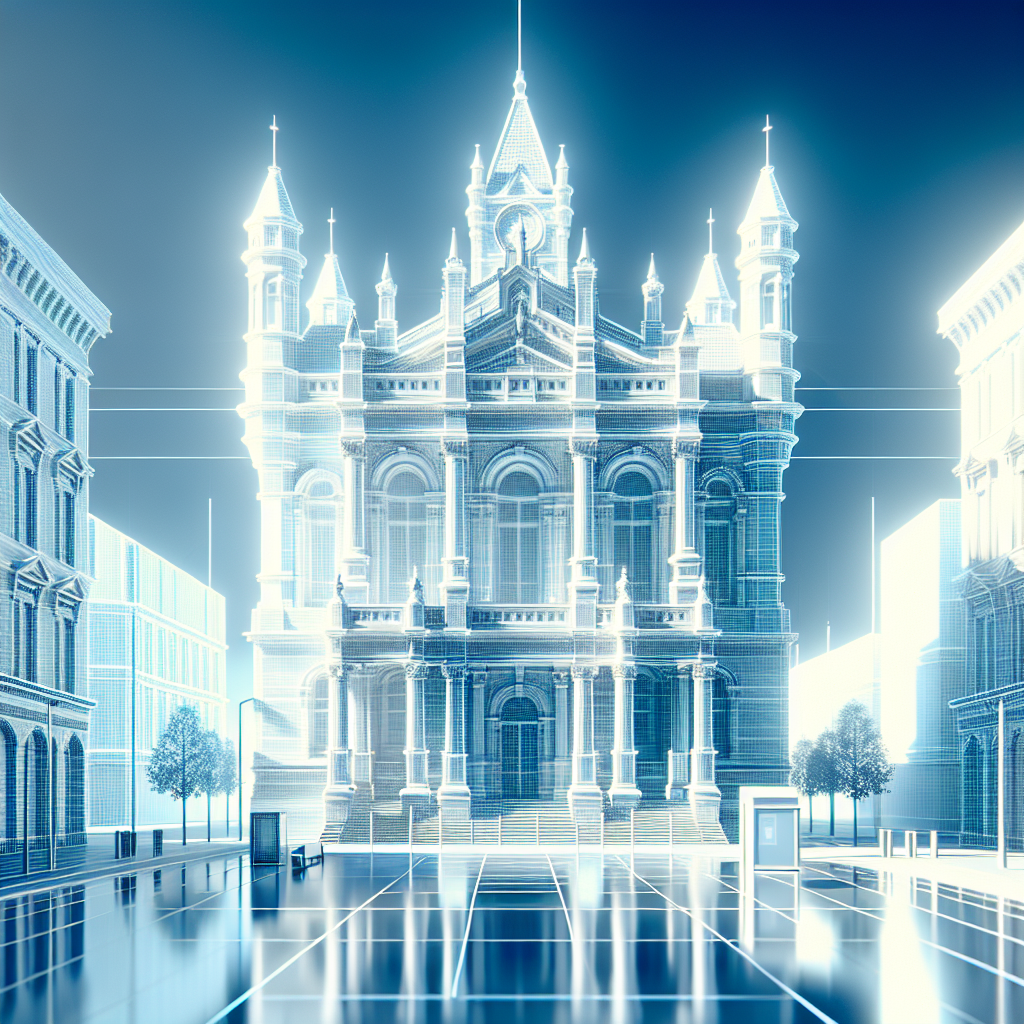

Tucked away in the bustling streets of Glasgow, Whiteinch Burgh Hall is more than just a relic from the past; it's a living testament to the resilience and spirit of a community that has weathered the storms of time. Built in the late 19th century, this elegant Victorian structure stands as a beacon of local heritage, offering a glimpse into a period when architectural grandeur was intertwined with civic pride. As you walk past its intricately crafted facade, you can almost hear the echoes of its storied past whispering tales of yesteryears.
Constructed in 1899, the hall was designed by James Miller, a renowned Scottish architect known for his innovative works during the Victorian era. This wasn’t just a building for meetings or local government affairs; it was the heartbeat of the community. From wedding receptions to lively debates, the Burgh Hall hosted a myriad of events that brought people together in solidarity and celebration. For the residents of Whiteinch, it was a sanctuary where they could express their civic duties and cultural identities in an ever-evolving urban landscape.
During the industrial boom, Whiteinch was thriving with shipbuilding and trade, drawing diverse populations to its bustling quarters. The hall played a pivotal role not just in governance but also in social cohesion, offering a venue where different cultures could meet and exchange ideas. But as the 20th century unfolded, industrial decline began to cast its shadow over Glasgow. The Burgh Hall, much like the city itself, faced challenges. The once-bustling neighborhood saw economic downturns, and for a period, the hall suffered from neglect and disrepair.
However, resilience is ingrained in the DNA of communities like Whiteinch. In the late 1990s, renewed interest was sparked to restore this iconic piece of architecture. A group of passionate local residents, backed by historical preservation societies, began the arduous journey of rescuing the building from its dilapidated state. Their commitment was fueled not just by nostalgia but by a desire to preserve a tangible piece of their collective identity.
Today, Whiteinch Burgh Hall stands revitalized, a testament to what can be achieved when communities rally together. It has become a venue for cultural events, educational workshops, and social gatherings, breathing new life into the area. Whether it's an art exhibition showcasing local talent or a community meeting addressing contemporary social issues, the hall continues to serve as a vibrant hub for civic engagement.
While the narrative of restoration may sound idyllic, it's important to acknowledge that not everyone in the community has shared this vision. Detractors have argued that pouring resources into an old building might not address current socio-economic challenges like housing or employment. It's a valid point, and any development should strike a balance between preserving history and meeting contemporary needs.
Yet, this dialogue reflects a broader conversation happening across cities everywhere. How do we honor and preserve the past while moving forward? While this can often feel like walking a tightrope, places like Whiteinch Burgh Hall demonstrate that it doesn't have to be an either/or scenario. Engaging with historical sites can enrich community identity and foster collective responsibility, which in turn might address modern issues by creating a more connected community.
The story of Whiteinch Burgh Hall is about more than just bricks and mortar. It is about a community's relentless pursuit to convey their story, their struggles, and their victories through a shared space. In our rapidly changing world, such spaces offer a sense of continuity and belonging. A visit to Whiteinch Burgh Hall isn’t merely an architectural tour; it’s an immersion into the narrative of Glasgow’s gritty yet hopeful spirit.
For anyone interested in cultural preservation, urban regeneration, or community activism, a closer look at the Whiteinch Burgh Hall offers invaluable lessons. It reminds us that our built environment is much more than infrastructure; it is a canvas upon which we paint our dreams and display our communal heart.