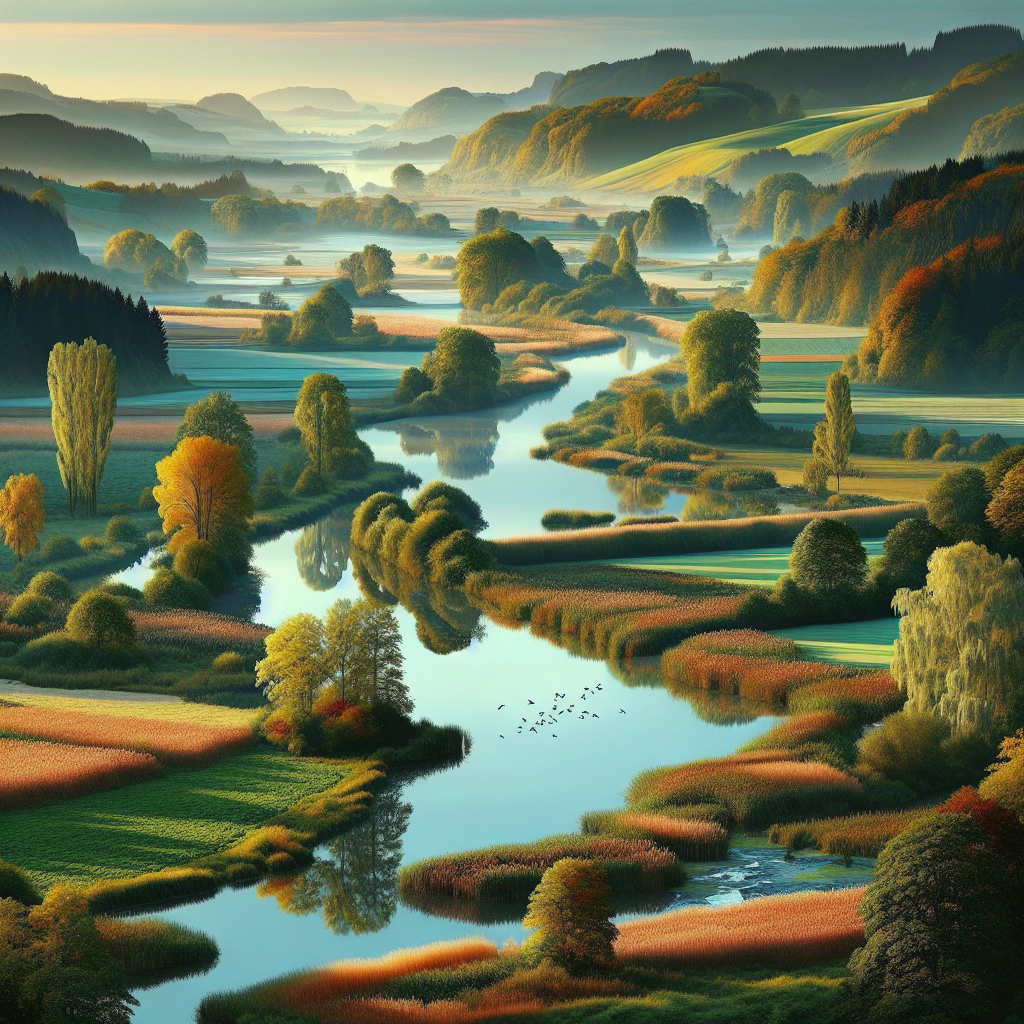

The Westphalian Lowland: A Hidden Gem in Germany
Imagine a place where history, nature, and culture intertwine seamlessly, creating a landscape that feels both ancient and alive. This is the Westphalian Lowland, a region in Germany that stretches across the North Rhine-Westphalia state. Known for its fertile plains and rich history, the Westphalian Lowland has been a significant agricultural hub since the Middle Ages. The area is dotted with charming villages, historic castles, and lush green fields, making it a picturesque destination for those seeking a blend of natural beauty and cultural heritage.
The Westphalian Lowland is not just a pretty face; it has played a crucial role in Germany's development. The region's fertile soil has supported agriculture for centuries, providing food and resources for the surrounding areas. This agricultural abundance has shaped the local culture, with traditional Westphalian cuisine heavily influenced by the produce grown in the region. Dishes like Pumpernickel bread and Westphalian ham are famous throughout Germany and beyond.
Despite its historical significance, the Westphalian Lowland is often overshadowed by more famous German regions like Bavaria or the Black Forest. However, those who take the time to explore this area are rewarded with a unique blend of history and nature. The landscape is dotted with medieval castles and fortresses, each with its own story to tell. These historic sites offer a glimpse into the past, allowing visitors to imagine what life was like in medieval Germany.
The region is also home to several nature reserves and parks, providing ample opportunities for outdoor activities. Hiking and cycling trails crisscross the landscape, offering stunning views of the rolling hills and lush forests. The Emscher Landscape Park, for example, is a popular destination for nature lovers, with its diverse flora and fauna and well-maintained trails.
While the Westphalian Lowland is a haven for history buffs and nature enthusiasts, it also faces challenges. The region's agricultural focus has led to environmental concerns, such as soil degradation and water pollution. Efforts are being made to address these issues, with local governments and organizations working to promote sustainable farming practices and protect the area's natural resources.
The Westphalian Lowland is a testament to the resilience and adaptability of its people. Despite the challenges, the region continues to thrive, balancing its rich history with modern advancements. The local communities are proud of their heritage and work hard to preserve it for future generations.
For those interested in exploring the Westphalian Lowland, there are plenty of options. The region is easily accessible by train or car, with several major cities nearby, including Dortmund and Münster. Visitors can enjoy a range of activities, from exploring historic sites to sampling local cuisine. The region's warm and welcoming atmosphere makes it an ideal destination for travelers looking to experience a different side of Germany.
In a world where fast-paced city life often takes center stage, the Westphalian Lowland offers a refreshing change of pace. It invites visitors to slow down, take in the scenery, and appreciate the simple pleasures of life. Whether you're a history enthusiast, a nature lover, or simply someone looking for a peaceful escape, the Westphalian Lowland has something to offer.