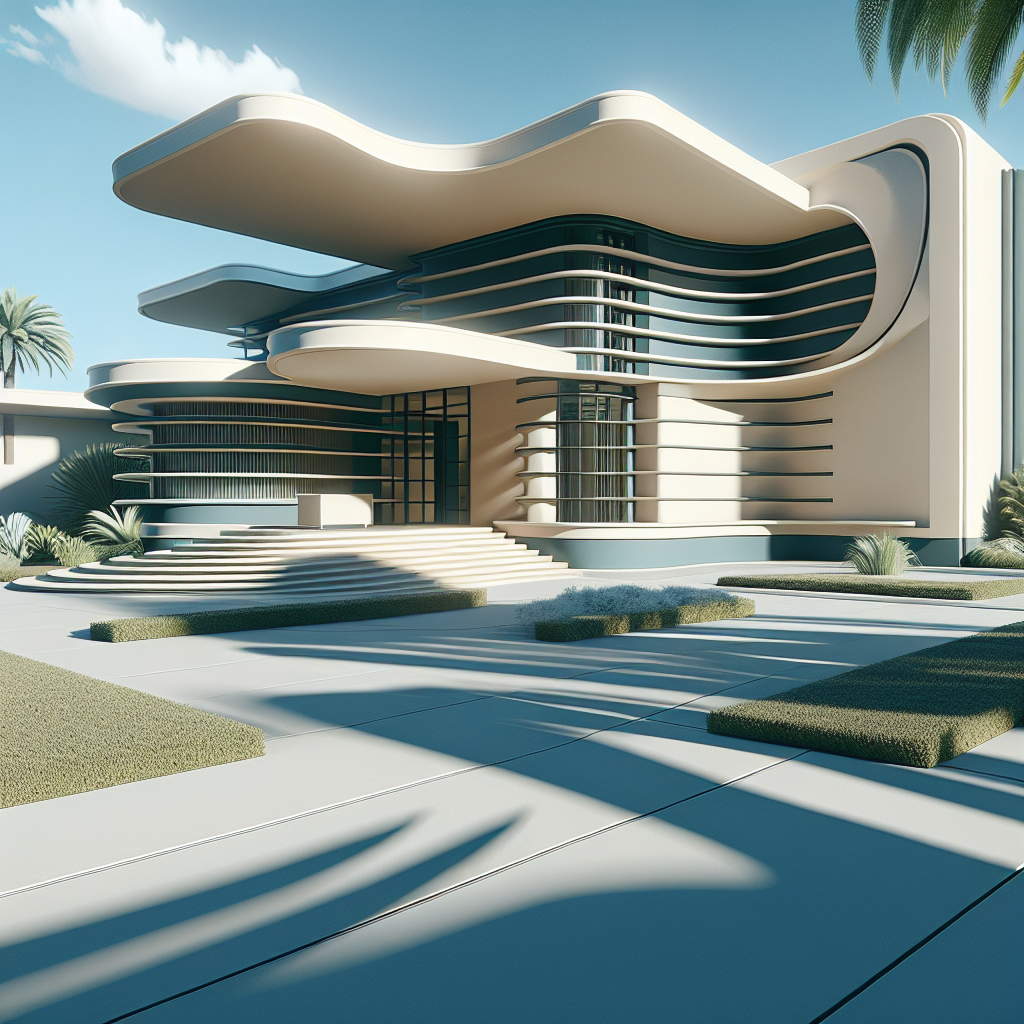

Imagine a world where the architecture of your surroundings makes you want to dance. That was the world Wayne McAllister built. He was a visionary American architect who managed to bring Hollywood glamour to everyday life. Embracing the vibrant spirit of the 1930s through the 1950s, McAllister was the creative force behind some of the most iconic nightclubs and resorts in Southern California and Las Vegas. His most famous projects, like the Sands Hotel and the Fremont Hotel in Las Vegas, transformed cities with their futuristic style and lively ambiance. McAllister’s designs were a reflection of the rapidly changing post-war culture, a period when society was itching to move beyond the dreariness of past decades and embrace excitement and modernity.
Wayne McAllister wasn't your average architect. He understood the alchemy of creating more than a building—he constructed experiences. A powerful figure during a transformative era, he left a lasting mark on pop culture architecture. In the bustling cityscape of Los Angeles, McAllister would weave fanciful curves and bold lines into the framework of places like the iconic Bob's Big Boy restaurant. He had an uncanny ability to capture the zeitgeist of his time, bridging entertainment and architecture seamlessly.
One of the most compelling aspects of McAllister’s work was its alignment with the emerging car culture. His designs were deeply influenced by the growing prevalence of automobiles in American life, as seen in the drive-in restaurants which became social hotspots. McAllister didn’t just sketch buildings; he understood how society was evolving and designed for the way people wanted to interact with spaces. A project that showcases this is the iconic Pig 'n Whistle restaurant, which still whispers tales of old Hollywood to anyone willing to listen.
In places like Las Vegas, where showbiz met the desert, McAllister's architecture provided a vibrant backdrop to an era defined by optimism and economic growth. His work symbolized leisure and luxury, yet it was accessible to the public. He designed for everyone, not just the ultra-rich, and his architecture reflects a democratic ethos that can resonate with a liberal value system today.
However, not everyone viewed McAllister's work through the same rosy lenses. Critics would argue that his glossy and extravagant structures symbolized cultural shallowness or consumer excess. They would say that beneath the neon lights and glamorous facades lay a reflection of deeper societal issues. Yet, it's crucial to recognize that McAllister’s architecture provided an outlet—a socially acceptable escape—during a time when such carefree indulgence was hard to come by.
As we ponder his contributions, it's fascinating to consider how McAllister’s work played into the larger narrative of the American Dream. His buildings were stages for innovation and cultural expression. They were spaces where performances took place, reflecting a country's yearning for dreams that were bigger and brighter. In many ways, McAllister was designing the backdrop for tomorrow's possibilities.
Today, we are left to cherish the legacy of McAllister in the surviving landmarks of his imagination. His visions that once represented the height of modernity now remind us of a nostalgic time when evenings were spent cruising main streets and dinner meant sharing a milkshake under neon glows. Looking back, it’s important to see how those old ideals of progress and exuberance have shifted in light of modern-day sustainability concerns. It's an ongoing dialogue of balancing progress with preservation, which requires us to honor the past while innovating for the future.