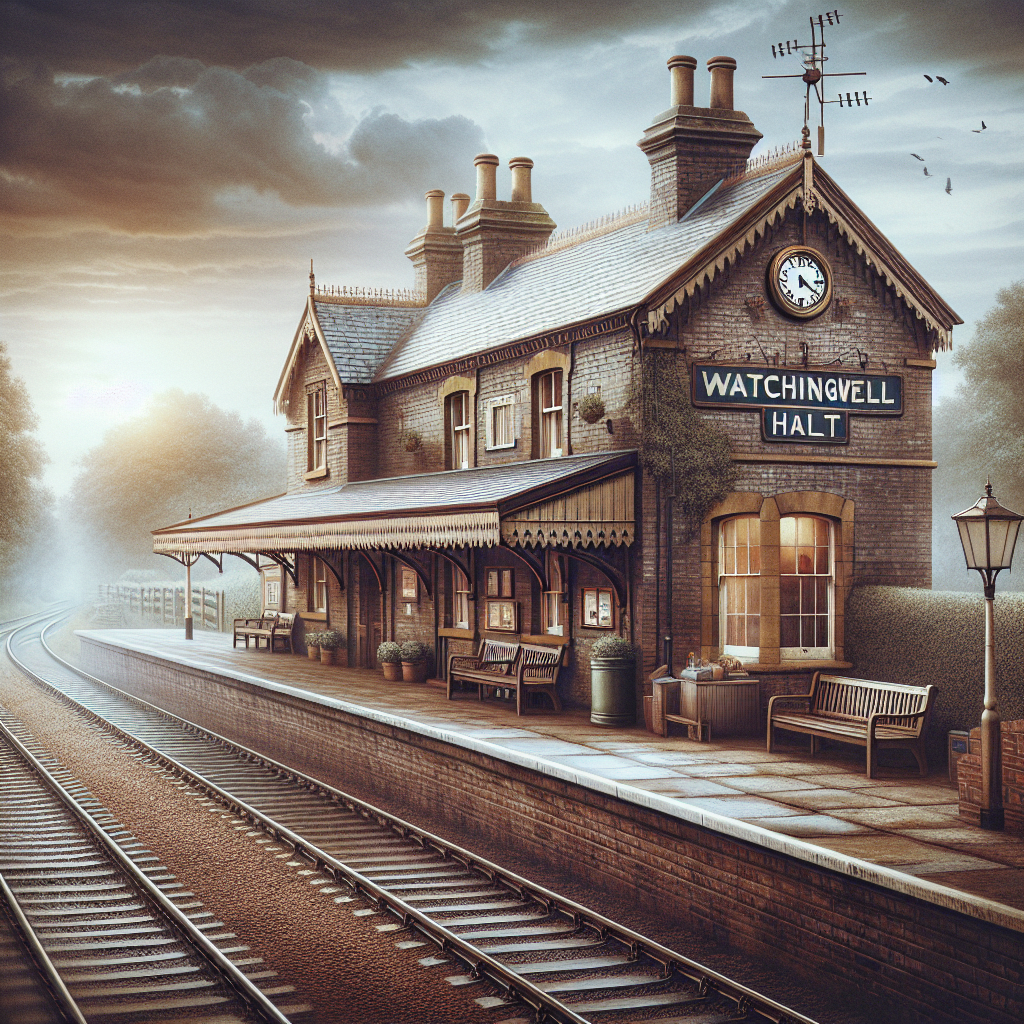

The Curious Case of Watchingwell Halt: A Forgotten Railway Station
Imagine a railway station so obscure that it feels like a secret whispered among the trees. That's Watchingwell Halt for you. Located on the Isle of Wight, this quaint little station was part of the Freshwater, Yarmouth and Newport Railway. It opened in 1923, serving the rural community nestled in the heart of the island. However, its life was short-lived, as it closed in 1953, leaving behind a legacy of nostalgia and curiosity.
Watchingwell Halt was a product of its time, a period when railways were the lifeblood of transportation across the UK. The station was a simple affair, with a single platform and minimal facilities, reflecting the modest needs of the local population. It was a stop primarily for the residents of Watchingwell and nearby areas, providing them with a vital link to larger towns and cities. The station's existence was a testament to the era's commitment to connecting even the most remote communities.
The closure of Watchingwell Halt was part of a broader trend that saw many rural stations across the UK shut down. The rise of the automobile and the decline in passenger numbers made it economically unviable to keep such stations open. The decision to close Watchingwell Halt was met with disappointment by locals who relied on it for their daily commutes and social interactions. It marked the end of an era, as the island's transportation landscape shifted towards road travel.
Today, Watchingwell Halt is a relic of the past, a ghost station that sparks the imagination of railway enthusiasts and history buffs alike. The platform still exists, overgrown with vegetation, a silent witness to the passage of time. It serves as a reminder of the once-thriving railway network that crisscrossed the Isle of Wight, connecting its residents to the wider world. For those who stumble upon it, the station offers a glimpse into a bygone era, a time when trains were the heartbeat of rural life.
The story of Watchingwell Halt is not just about a forgotten railway station; it's about the changing dynamics of transportation and the impact on local communities. While the closure of such stations was often seen as a necessary step towards modernization, it also meant the loss of a vital social hub. For many, the railway was more than just a means of getting from point A to point B; it was a place where friendships were forged, news was exchanged, and a sense of community was fostered.
In reflecting on Watchingwell Halt, it's important to consider the broader implications of transportation policies and their effects on rural areas. While progress and efficiency are crucial, they should not come at the expense of community and connectivity. The story of Watchingwell Halt serves as a poignant reminder of the need to balance modernization with the preservation of local heritage and social bonds.
As we look to the future, it's worth pondering how we can learn from the past to create transportation systems that serve everyone, including those in remote and rural areas. The tale of Watchingwell Halt is a call to action, urging us to consider the human element in our pursuit of progress. It's a story that resonates with the values of empathy and inclusivity, reminding us that every station, no matter how small, has a role to play in the tapestry of our shared history.