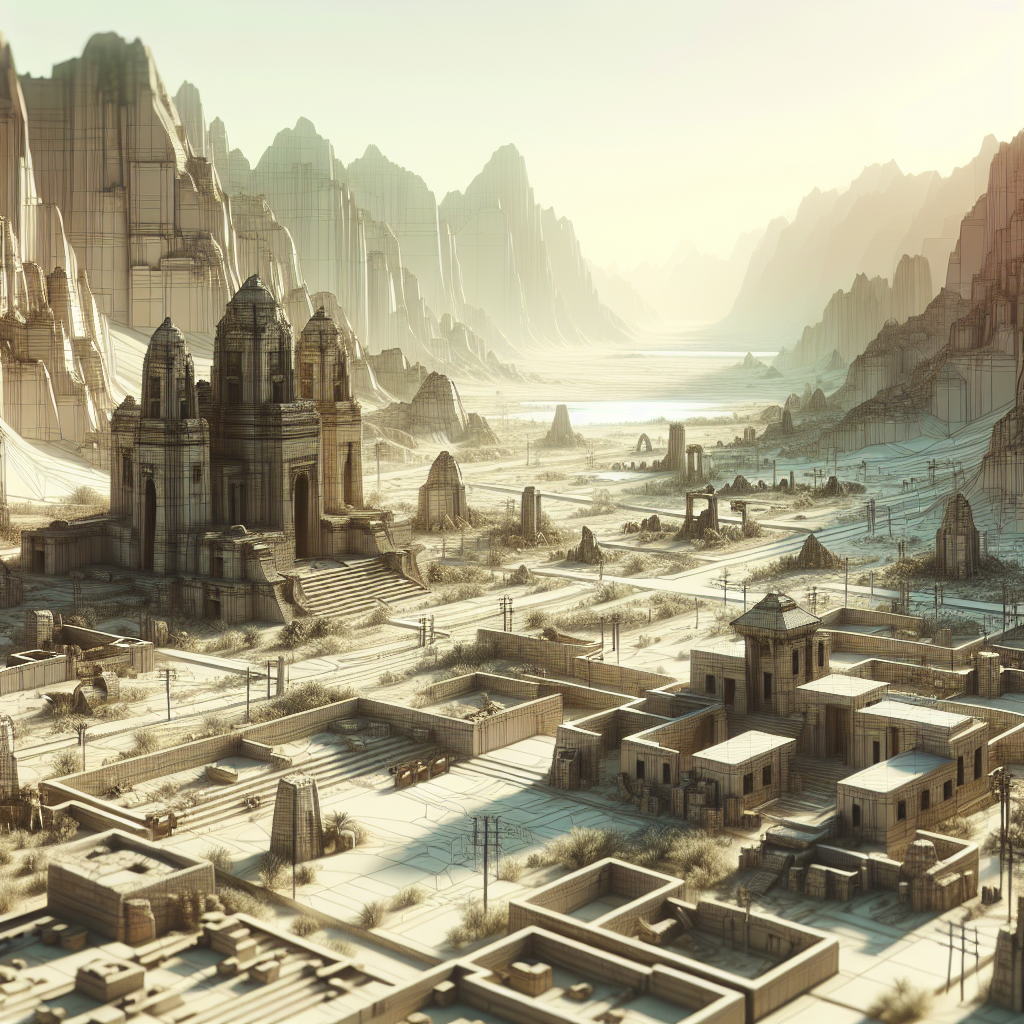

Wadi Natuf is more than just a picturesque landscape; it's a window into a world that existed 12,000 to 9,500 years ago in what is now the Israeli-Palestinian region. This historical site, snugly nestled within the Levant, is where the Natufian culture thrived, marking a significant shift in human history from nomadism to settled lifestyles. Let’s dive into this intriguing transition that was rooted in the heart of Wadi Natuf.
This site was home to the Natufians, a unique group who lived during a time when pivotal changes were taking place. Situated between modern-day Israel and Palestine, Wadi Natuf was strategically located to support the blossoming of human settlement. The Natufian culture flourished approximately 12,000 years ago, paving the trajectory towards agriculture and permanent villages. How did they end up creating such a lasting impact on history? It seems geography coupled with innovation was key. Surrounded by fertile crescents and with easy access to water, Wadi Natuf was ideal for humans ready to give up the wandering life.
Other people at this time still relied heavily on hunting and gathering. However, evidence suggests that the Natufians might have harvested wild cereals, taking the first small steps towards agriculture. This shift wasn’t simple or swift, and the transition had a profound impact on the development of civilizations. Despite the new direction, it's crucial to appreciate the anxieties and skepticism that came with such a lifestyle change. Not everyone would have considered settlement and cultivation to be beneficial. After all, abandoning the hunter-gatherer way of life, which had sustained humans for eons, was not without its detractors. The decision to attempt agriculture was filled with risks, including dependency on specific crops and the potential for disputes over land.
Wadi Natuf's archaeological significance is immense. Researchers have unearthed tools, burial sites, and other artifacts that give insight into the daily lives and practices of the Natufians. These discoveries not only reveal their strategies for survival but also demonstrate their cultural practices, like burying their dead with personal belongings, hinting at complex belief systems. Moreover, the construction of dwellings suggests they valued community and had developed an early societal structure. Such finds challenge our stereotype of ancient peoples as predominantly savage or rudimentary.
While the Natufians were adapting to a sedentary life, their transition invites a broader reflection on change. Settling down allowed them to express a sense of identity and culture that hunting and gathering might have constrained. Still, it's essential to recognize the views of those who resisted such change. As humanity’s trajectory unfolded, those swelling fears proved to be crucial. Fears about environmental impacts, societal inequality, and loss of freedom were relevant then and still echo in modern debates.
For Gen Z, grappling with global issues like climate change and social justice, the story of Wadi Natuf might resonate on several levels. The balance and tension between progress and preservation, between collective good and individual freedom, are not new dilemmas. In our current world of rapid technological change, Wadi Natuf's lesson is a reminder of the importance of understanding and respecting various perspectives, especially those skeptical of untested change.
Archaeologists working in Wadi Natuf continue to uncover parts of our shared history. Their work forms an incredible narrative tapestry that tells us more than just how far we've come; it tells us about the cautious optimism, hesitations, and resilience of those who dared to envisage a new way of life. Future generations might see similar value in confronting their era's challenges with ingenuity, as the Natufians did.
Wadi Natuf stands as an educational cornerstone, whether you're visiting in person or learning from afar. It's a reminder that in history, just as in today’s socio-political climate, decisions made by a few can ripple through time affecting many. Their influence paints both the challenges and triumphs faced by successive generations.
Let's unpack these stories of adaptation and courage, reflecting on how they might do more than recount history—they might guide us towards a more thoughtful future with lessons that transcend time.