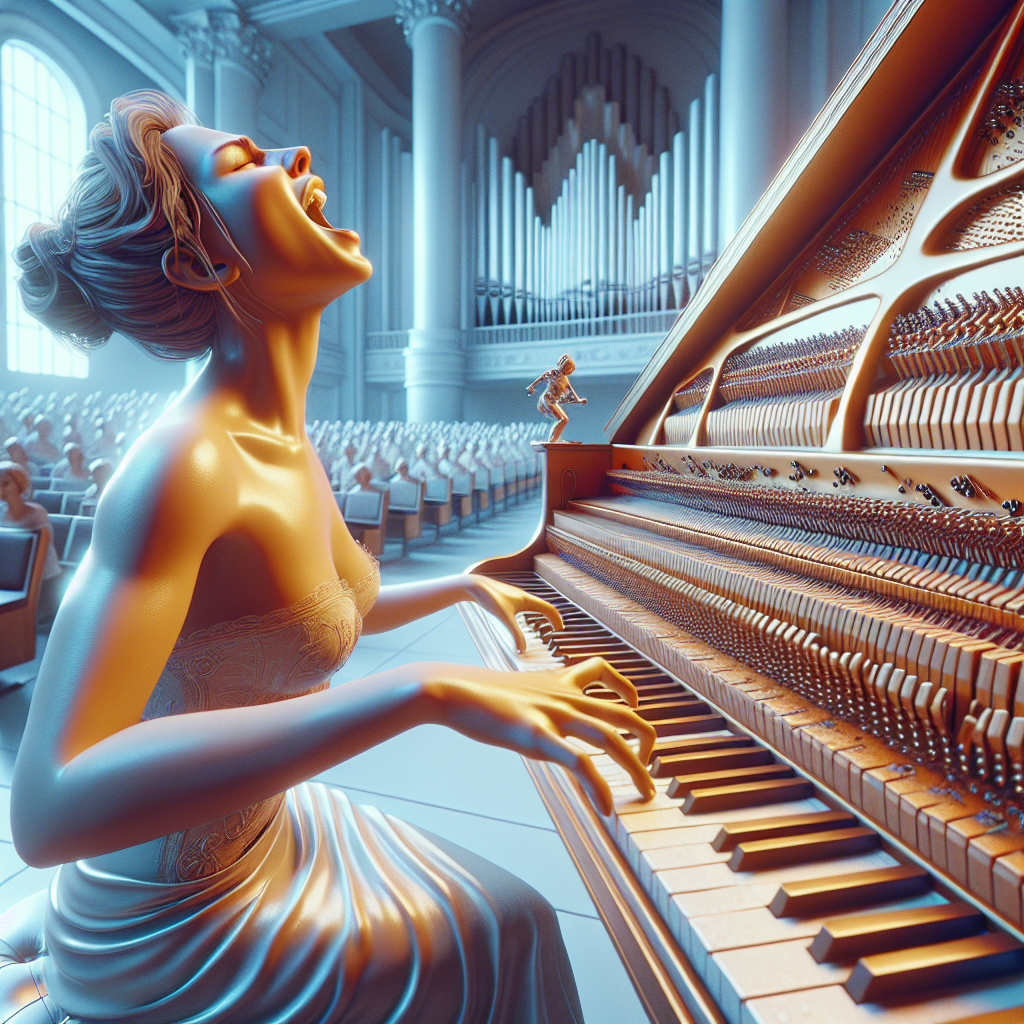

Imagine a musician so adept that each note feels like a whispered secret from the past—Viviana Sofronitsky is that maestro. Viviana, a talented Russian-born fortepianist, came into the world of classical music stages predominantly at the turn of the 21st century. Her performances span across many countries, including her current home in Canada. She's known for reviving the authentic sounds of compositions from the likes of Haydn, Mozart, and Beethoven, using historical instruments. Her artistry breathes life into music, giving audiences an auditory time travel experience that many crave in our digitally dominated age.
Growing up in the Soviet Union, her exposure to music was both a stroke of luck and a well-laid plan by her family. Her father, Vladimir Sofronitsky, was a renowned Russian pianist, which made her musical environment as rich as the cultural tapestry of that era. But Viviana didn't merely inherit musical talent; she worked to refine it through years of dedicated study. Her prodigious skills led her to the Moscow Conservatory, where she earned her Doctorate degree in music. This academic path wasn’t easy—being a prominent woman in the classical music scene requires unwavering determination, mostly because this realm has been traditionally dominated by men.
The fortepiano, her primary instrument, differs from the modern piano in more ways than one. It offers softer tones and lighter touch, creating an atmosphere that resonates with authenticity. Viviana’s choice to specialize in historical instruments isn't just artistic—it's a deliberate move to challenge the musical status quo. Each piece she plays mirrors the era it was composed in, making it clear that she's more than an executor of old compositions; she's a historian, an interpreter, and a magician of sound.
As captivating as historical performance might be, the contemporary music scene sometimes ignores these nuances. The trend has often been towards the modern and avant-garde, overshadowing the charm of classical tunes. Even as modernity shines bright, there is an emerging section of gen Z who seem to find solace in these pieces from the yesteryears. It's fascinating, especially when you think about how accustomed they are to immediacy through digital platforms. But Viviana’s honest and faithful interpretations remind us that there’s value in experiencing art that's centuries old, without embellishments or remixes.
Sofronitsky’s influence isn’t merely confined to concert halls and recordings. She also frequently collaborates with other musicians and orchestras committed to historical performance. By doing so, she nurtures a small yet passionate community of like-minded artists. It’s the kind of collaboration that fuels creativity while enhancing individual craft. Such alliances are refreshing amid a pervasive culture of individualism. They echo a rebellious act against the grain of fast-paced, isolating modern life, showing that working hand in hand can produce something truly memorable.
Of course, some argue that live performances of historical music cater to an elite, niche audience. Critics often mention that classical music, especially in its most traditional form, is inaccessible to many. Cost of tickets, formal dress codes, and the expected etiquette can alienate potential younger audiences. Yet, individuals like Viviana are changing this narrative. If one glances at her online presence, she uses platforms like YouTube to reach a broader audience, offering masterclasses and performances that are free to watch. This accessibility demystifies classical music, particularly for gen Z, who can now experience it without leaving their digital comfort zone.
This fresh, inclusivity-first approach needs more traction as it encourages more people to appreciate historical music forms. The world Viviana opens is wondrous—a vibrant tapestry woven with melodies that denote times long before our selfies and Snapchat. Her influence and endeavors are proof that tradition doesn't have to be a dusty old book; it can be a dynamic and thrilling narrative, still unfolding. Through her path, people see a compelling contradiction: conservatism in the music itself, coupled with liberalism in its dissemination.
As we navigate a socio-culturally shifting world, where cultural elements often clash, maintaining diversity in art form consumption teaches tolerance. Viviana's work exemplifies a harmonious blend between honoring the old while embracing new methodologies. Her journey sparks admiration not just for the notes she plays but for what she represents. She confronts barriers with a maestro’s eloquence, choosing harmony over discord, connection over alienation. Audiences, especially the younger ones, walk away from her performances with an enriched understanding and a nuanced approach to listening.
Viviana Sofronitsky stands as an emblem of resilience and creativity. In an age that frequently idolizes technological prowess over past wisdom, she reminds us all that digging into the roots of music has its own transformative power. As gen Z moves forward into the future, perhaps they can keep a piece of Viviana’s historical touch in their ever-evolving playlist.