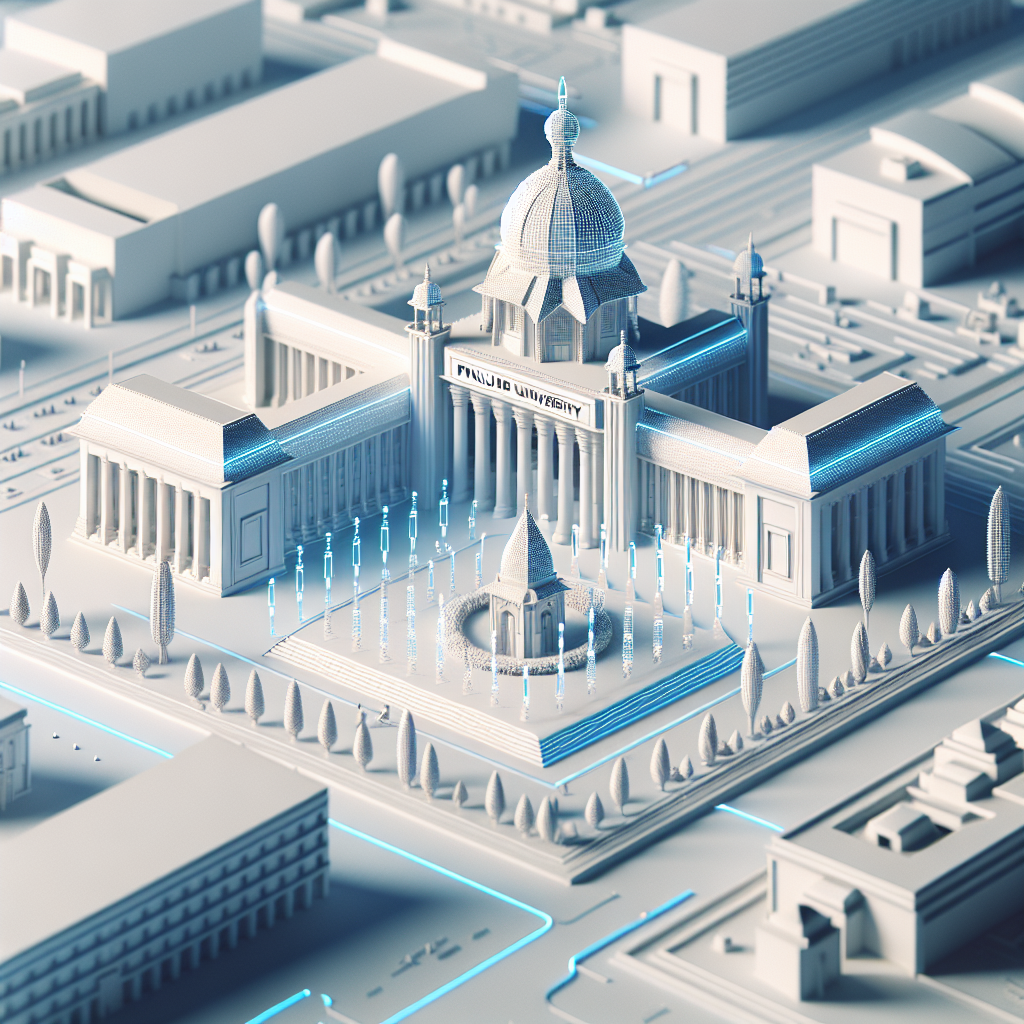

There's something captivating about the University of the Punjab that pulls you in like the threads of a beautifully woven tapestry. Founded in 1882, this institution is the oldest and most prestigious university in Pakistan and is located in Lahore, a city bustling with energy and history. With an academic community sprawling across a population that rises to over 40,000 students, the University of the Punjab serves as a beacon of enlightenment and progressive thought. But why should anyone care about this slice of academia on the other side of the globe? Because the way it functions, interacts with its societal context, and manages to produce brilliant minds tell a captivating tale of resilience, adaptability, and perhaps, subtle resistance.
The University of the Punjab stands as a significant educational pillar, founded during British rule in India, and has evolved remarkably since the partition of the subcontinent. It aims for excellence with modern scientific advancements while rooted in cultural richness. But the journey hasn't been free of turbulence. For decades, political waves have rippled through its halls, influencing and being influenced by the changing tides of governance and public sentiment. This political and social interplay often spurs vibrant debates and discussions on campus, helping students to develop critical thinking—a skill much needed in today’s global society.
If you've ever walked through the corridors of this historic institution, you'd sense a sort of time travel. The Victorian architecture echoes the past while modern complexes juxtaposition alongside them signal a forward-looking ethos. It’s an institution where students from diverse backgrounds come together, binding in shared dreams of academic achievement and personal growth. Resultantly, it serves as a microcosm reflecting Pakistan’s own complex tapestry of tradition versus modernity, a theme the nation continuously grapples with.
Education at the University of the Punjab is not just about textbooks and exams. It incorporates a holistic approach, paving paths towards innovation, critical analysis, and creativity. The majority of students are eager to transcend traditional academic boundaries, challenging societal norms and entrenched systems that feel outdated and rigid. These young minds foster a spirit of activism—some might say insolence—which can feel threatening to the status quo but are crucial for societal evolution.
Yet, there are obstacles. Public institutions in Pakistan, including this university, face challenges related to underfunding, limited resources, and brain drain, which impact both teaching quality and research output. Despite these hurdles, the University pushes forward through the sheer determination of its faculty and students. As far as solutions go, empowering educational institutions with more autonomy and resources would benefit them greatly. Encouraging partnerships with international universities for research initiatives may not only enhance educational opportunities but also play a role in fostering cross-cultural understanding.
The faculty isn’t just keeping academic flames alight but striving to ignite new ones in unexplored territories of knowledge. They are committed to research and set out to make a mark in the global academic scene. This scholarly vigor is clearly infectious, encouraging students to pursue disciplines as varied as geography, biotechnology, and economics. But it's imperative to mention that for some, the prospect of achieving scholarly victories within their own country feels limiting. For them, the allure of international opportunities stands as a brighter prospect, raising pertinent debates about national retention of talent.
Would a more liberal academic freedom result in better engagement with the international community? Advocates for open-minded cultural exchanges argue this point passionately, suggesting that freedom in both thought and research can break down barriers and open a multitude of opportunities for international collaboration. Skeptics might raise concerns over cultural erosion or national identity dilution in efforts to align more closely with global academia. However, it seems the major emphasis should be on finding a balance where such freedom becomes a tool of empowerment rather than trigger disquiet.
Conversely, the narrative that lives within these walls is one not just of challenges, but of incredible resilience. Students and educators are not staunchly clinging to the past but are instead courageously crafting futures in hybrid educational environments that combine traditional values with fresh, global perspectives. Gen Z at the University of the Punjab, with smartphones in hand and access to instant information, are changing the face of learning, using technology as a platform for innovation and societal change, whether it’s setting up non-profits or using social media as a tool for advocacy.
In a world that sometimes feels like a tumultuous ocean, the University of the Punjab stands as an anchor offering stability through education and enlightenment. It continues to be a place where innovation channels through the veins of its students, faculties, and the communities it impacts. The stories created within its compound are less about blasting apart traditions and more about redefining them, ensuring that a sense of cultural identity thrives while responding to the demands of an ever-evolving global landscape.