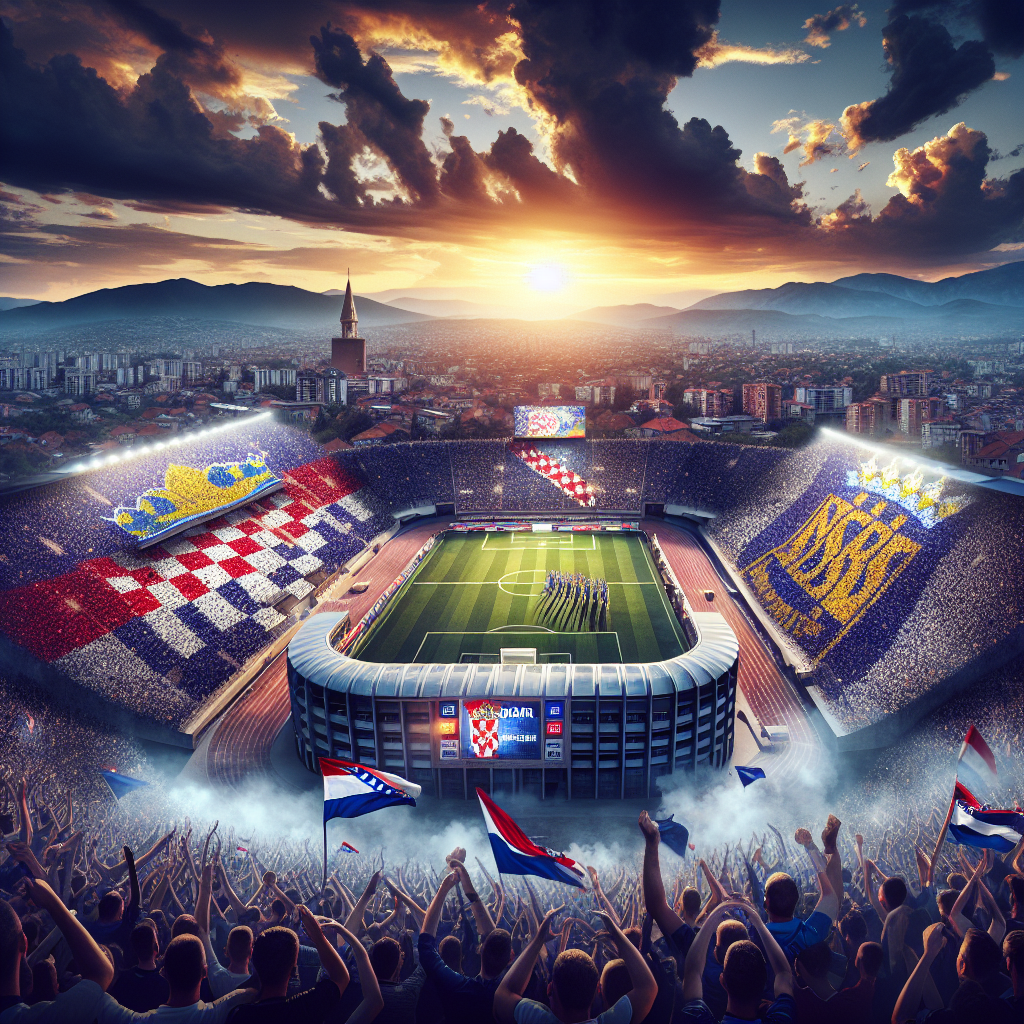

Ultras Mostar are not just a group of devoted football fans; they're the epitome of fervor, creating an electrifying atmosphere at matches with their ceaseless support for their beloved club, HŠK Zrinjski Mostar. Since their formation in the early 1990s, during the tumultuous times of Bosnia and Herzegovina's independence and subsequent conflict, they have been a significant presence in the stands. Their anthem-like chants, striking banners, and unyielding loyalty symbolize resilience, echoing the complex history of Mostar itself.
Mostar, a city divided by its past, finds unity and division mirrored in its football scene. The Ultras Mostar and another group, the Red Army Velež, significantly contribute to this dynamic. While HŠK Zrinjski Mostar is historically tied to the Croat community, Velež is associated with the Bosniaks. This duality isn't just in the game; it reflects the city's racial and ethnic tensions, where football matches often become microcosms of larger societal struggles.
Ultras Mostar are known for more than just their passion for football; they're vocal about political issues. Their slogans and banners often reflect nationalistic sentiments, a controversial aspect that brings both solidarity and contention. Critics argue this part of their identity intensifies division in an already fragile community. Yet, for young people growing up in Mostar, these matches and the identity of being an Ultra provide a sense of belonging and an outlet for expression in a city still healing from war.
Understanding Ultras Mostar requires looking beyond the surface of football fanaticism to see the socio-political landscape they navigate. Their gatherings are demonstrations of an unbreakable bond with their heritage and local culture. Simultaneously, they offer a platform for dialogue, albeit a contentious one. Their actions are a form of storytelling; each choreographed performance speaks a narrative understood by many, though heard differently by each side.
This dual nature of Ultras activities is mirrored in their perception by the public. To some, their enthusiasm represents a cherishing of cultural identity, while to others, it's a stark reminder of lingering nationalism. Engaging with these contrasting views is essential to appreciating the complexity within Ultras Mostar. Sport, in many places, isn't just a leisure activity but an integral part of identity and community fortification.
Looking at Ultras Mostar through a wider lens reveals the challenges faced by Post-Yugoslav states in reconciling diverse narratives. Their passionate displays highlight how sport and identity intertwine deeply within these societies, serving both as a unifying force and a dividing line. For Gen Z, witnessing this play out offers a reminder of the past but also a blueprint for how these narratives could change with growing calls for peace and understanding.
The energy of Ultras in the stadium is infectious, whether you're a die-hard fan or just an observer. Their passion is undeniable, a fiery fusion of love for the game and deep-seated loyalty. Yet, with such fervor comes responsibility. Young generations in Mostar and beyond look up to these groups for guidance. Echoing age-old rivalries or shaping new futures based on cooperation and mutual respect are pivotal paths standing before them.
While the immediate task for Ultras Mostar remains fueling their team's spirit, another lies beneath—a significant, quieter struggle for harmony within their societal fabric. This task extends to their younger followers, who hold the potential to navigate away from inherited divisions. Love for one's team and community can coexist with empathy and understanding of the other, paving ways for more integrative narratives in sports and beyond.
In the end, Ultras Mostar's story is not just about football; it is about identity, legacy, and opening spaces for dialogue in overcoming discord. It prompts reflection on what unites and divides us, urging a balance between preserving heritage and fostering new alliances. With every song sung and banner unfurled, they remind Mostar and the world—faith, unity, and an unyielding love for one's culture carry stories of the past into the aspirations of the future.