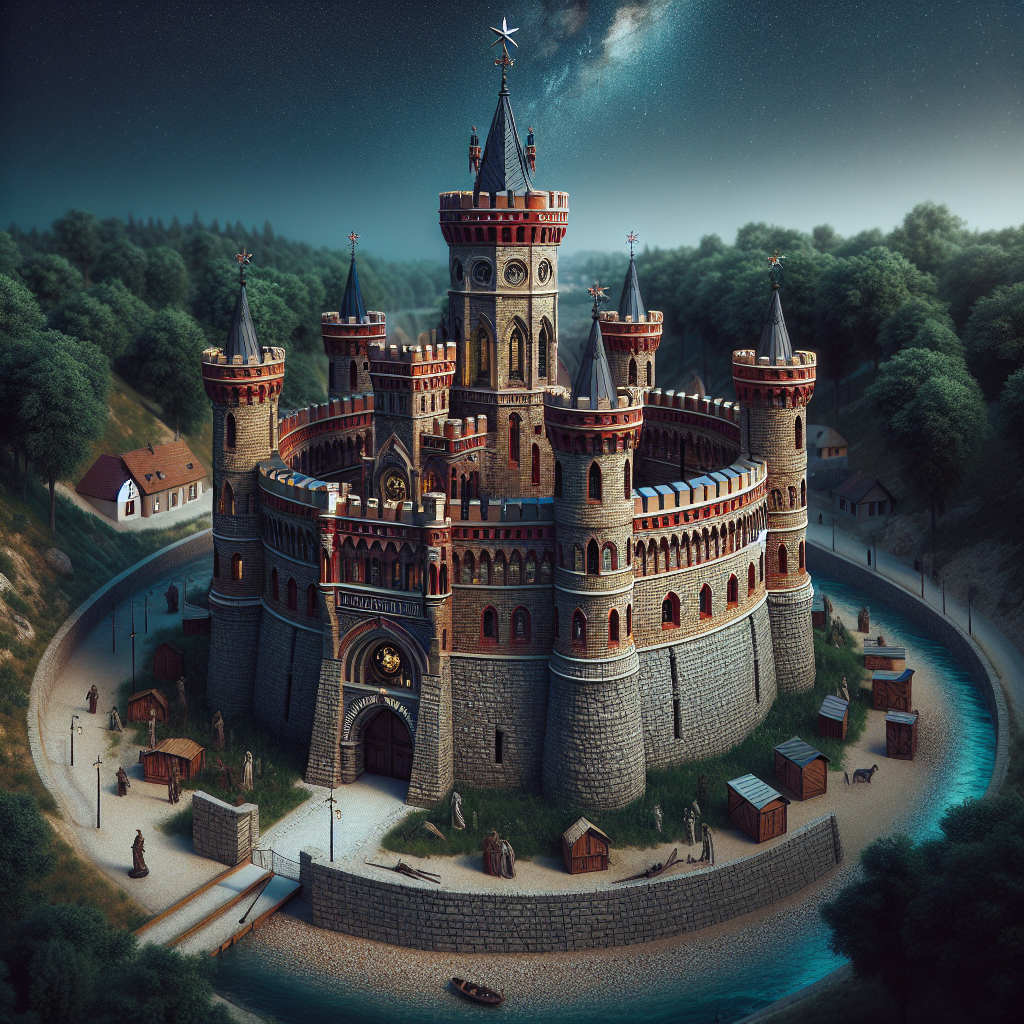

The Triangular Bastion: A Symbol of Resilience and History
Imagine a fortress that stands as a testament to human ingenuity and resilience, a structure that has witnessed centuries of history unfold. The Triangular Bastion, a remarkable architectural feature, is part of the historic fortifications of Galle Fort in Sri Lanka. Built by the Portuguese in the late 16th century and later fortified by the Dutch in the 17th century, this bastion is located in the coastal city of Galle. It was designed to protect the fort from invasions and to serve as a strategic military point. The bastion's unique triangular shape was not just an aesthetic choice but a tactical one, allowing for better defense against attackers.
The Triangular Bastion is a fascinating piece of history that reflects the colonial past of Sri Lanka. The Portuguese, who first constructed the fort, were driven by the desire to control the lucrative spice trade routes. When the Dutch took over, they expanded and reinforced the fortifications, including the bastion, to secure their hold on the region. This bastion, like many others, was a crucial part of the fort's defense system, designed to withstand cannon fire and provide a vantage point for soldiers.
Today, the Triangular Bastion is a popular tourist attraction, drawing visitors from around the world who are eager to explore its historical significance. Walking along its walls, one can almost hear the echoes of the past, the clashing of swords, and the booming of cannons. The bastion offers a glimpse into the military strategies of the colonial powers and their impact on the local landscape and culture.
While the bastion is a symbol of colonial power, it also represents the resilience of the local people. The fort, including the Triangular Bastion, has withstood the test of time, surviving natural disasters like the 2004 tsunami. This resilience is a testament to the strength and adaptability of the Sri Lankan people, who have preserved their heritage while embracing modernity.
Some might argue that the preservation of such colonial structures glorifies a painful past. It's important to acknowledge the suffering and exploitation that occurred during colonial rule. However, preserving these structures also serves as a reminder of history, allowing us to learn from the past and ensure that such injustices are not repeated. The Triangular Bastion, therefore, stands as a complex symbol, representing both oppression and resilience.
For the younger generation, particularly Gen Z, the Triangular Bastion offers an opportunity to engage with history in a tangible way. It encourages critical thinking about the past and its impact on the present. By visiting such sites, young people can gain a deeper understanding of global history and the interconnectedness of cultures.
The Triangular Bastion is more than just a historical monument; it is a bridge between the past and the present. It invites us to reflect on the complexities of history and the enduring spirit of those who lived through it. As we continue to explore and preserve such sites, we honor the stories they hold and the lessons they teach us.