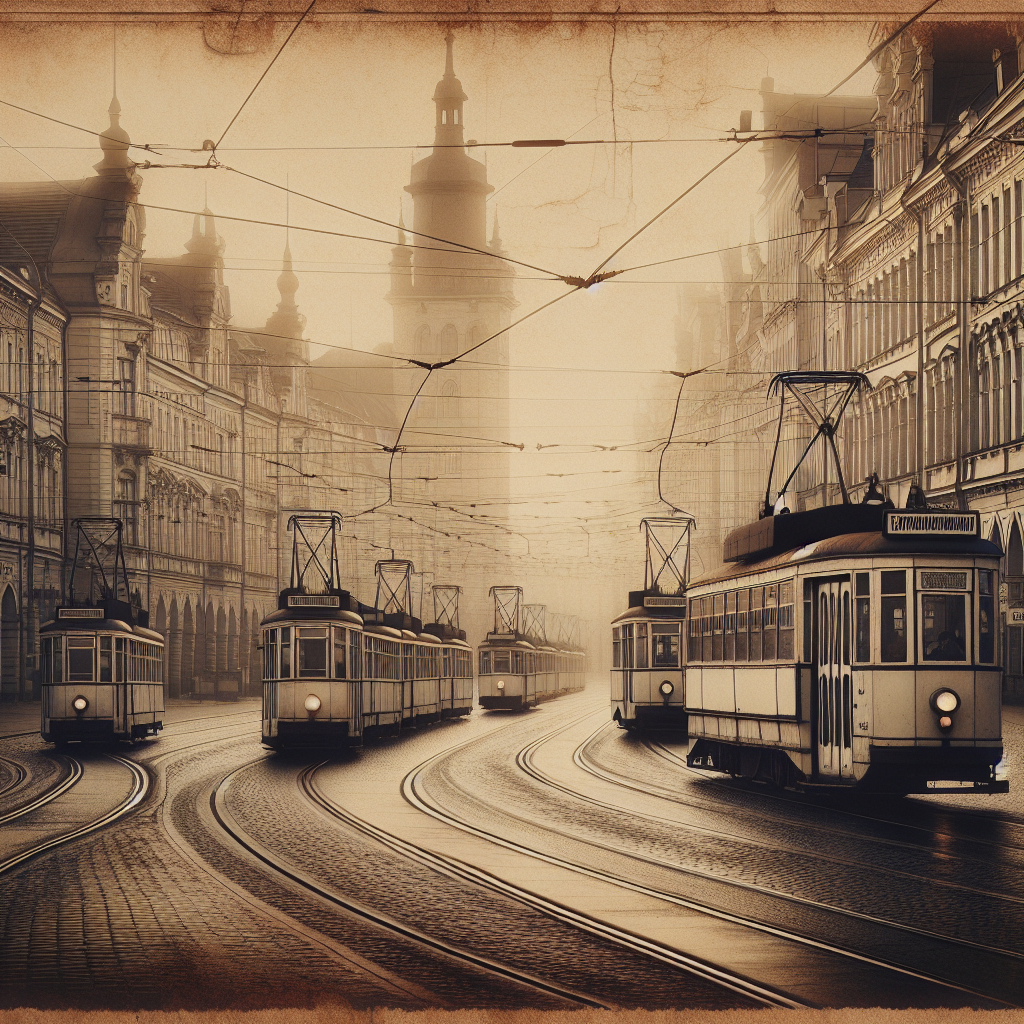

Who would have thought that a clanking, old-fashioned tram system could speak volumes about a city's heartbeat? The trams in Szczecin, Poland, have been doing just that for more than a century. Dating back to the 1870s, these trams have remarkably lived through wars, regime changes, technological shifts, and now serve as a fascinating glimpse into the city's past, offering rides across a charming blend of historic and modern routes.
Szczecin is a bustling port city in northwestern Poland, and its trams are far more than a mere transportation system. They serve as a living history, evolving yet preserving a slice of the city's cultural tapestry. Today, with over a dozen lines crisscrossing the city, the tram network helps locals and visitors alike experience Szczecin in an authentically immersive way.
The trams in Szczecin feed into a larger narrative about public transport's role in urban spaces. They're powered by electricity, making them a greener choice compared to buses. With the ongoing climate crisis, European cities, including Szczecin, are increasingly looking toward sustainable public transit solutions. Promoting more environmentally friendly ways to travel means contributing positively to the fight against global warming.
Despite their sustainability, practitioners of modern urban planning genuinely debate the practicalities of trams. Some argue that trams suffer from limited flexibility. A bus can change its route with ease, but a tram is confined to its tracks. Critics often point out that building and maintaining tram tracks require substantial investments. However, the counterargument emphasizes that trams can carry more passengers and contribute to reducing road congestion—an issue plaguing many urban areas.
Riding a tram in Szczecin is a cultural experience in itself. Stressful commutes transform into opportunities to gaze out at charming streets and lush greenery. There's something calming about the rhythmic rumbling of a tram straining to pull itself along its habitual path, a giant roving witness to the lives and changes within its city.
For those yearning for a cultural journey, some of Szczecin's tram routes provide glimpses into the city's rich history. They pass by architectural marvels, museums, and lush parks. Sitting in a tram allows passengers a quick tour through time without ever leaving their seat. It's urban exploration married with moments of quiet reflection—postcards of memory collected over daily rides.
Inside, the diversity of passengers only echoes the neighborhood's character—students, professionals, seniors, and tourists coexist in this mobile microcosm. The old and new parts of this transit network merge smoothly. Classic cars with their vintage flair share the tracks with sleek, modern counterparts. Conversations in Polish drift alongside others in English, German, and beyond, reflecting a city that is home to an international community.
Szczecin's commitment to their tram system isn't just a nostalgia for the past but a strategic move towards sustainable development with modernized infrastructure. Plans for expansion are ongoing, with new lines and upgraded train cars, incorporating technology and comfort in their designs.
Some may feel trams are an anachronism in the fast-paced, tech-savvy world Gen Z is used to. Yet, there's much to appreciate about the slow, deliberate pace of a tram ride through a vibrant, busy city. Generation Z's global outlook often prioritizes collective and environmentally responsible living. And what better example exists than this sustainable, shared form of city travel?
In a time when other cities might abandon their tram lines for faster or more private travel, Szczecin stands as an exemplar of what trams still offer an urban community. From their energy efficiency to being a bridge connecting generations and cultures, trams offer so much more than silent testimony of a city's history—they're a sustainable handshake into the future.