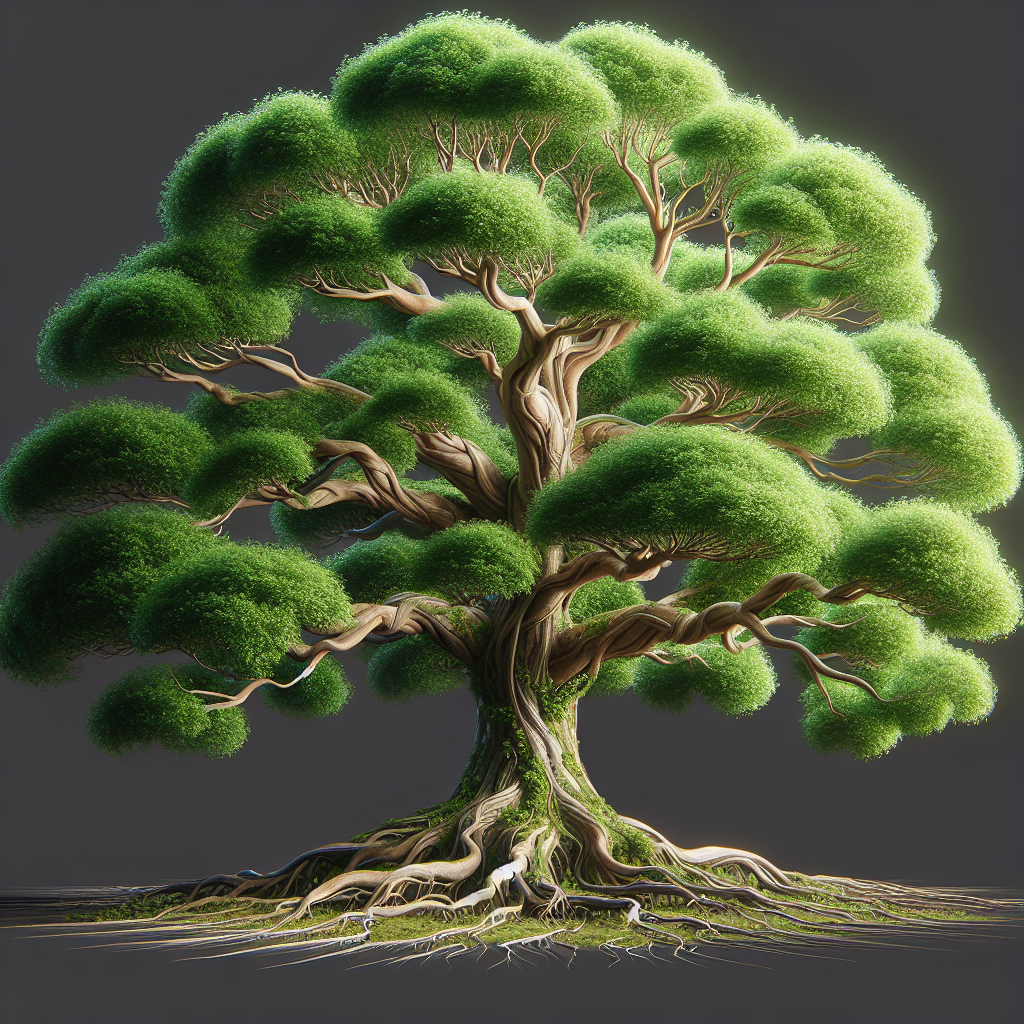

The Tree of Life: A Symbol of Growth and Connection
Imagine a world where trees could talk, sharing stories of the past and whispering secrets of the future. In Sweden, the concept of "trädet," or "the tree," is more than just a part of the natural landscape; it is a symbol of life, growth, and connection. Trees have been an integral part of Swedish culture and history, serving as a source of inspiration, sustenance, and shelter. The significance of trees in Sweden can be traced back to ancient times when they were revered in Norse mythology and considered sacred. Today, they continue to play a vital role in the country's environmental and cultural identity.
Sweden is home to vast forests that cover more than half of its land area, making it one of the most forested countries in Europe. These forests are not only crucial for the environment, providing clean air and habitats for countless species, but they also hold economic importance. The Swedish forestry industry is a major contributor to the country's economy, providing jobs and resources for sustainable development. However, the relationship between Swedes and their trees goes beyond economics. It is deeply rooted in a cultural appreciation for nature and a commitment to preserving it for future generations.
The Swedish tradition of "allemansrätten," or "the right of public access," allows people to roam freely in nature, including forests, as long as they respect the environment. This tradition reflects the deep connection Swedes have with their natural surroundings and their belief in the importance of maintaining a balance between human activity and nature. It encourages people to explore and enjoy the beauty of the forests while fostering a sense of responsibility to protect them.
Despite the strong cultural and economic ties to trees, Sweden faces challenges in balancing forest conservation with industrial demands. The forestry industry, while essential, can lead to deforestation and habitat loss if not managed sustainably. This has sparked debates between environmentalists and industry leaders about the best ways to protect Sweden's forests while supporting economic growth. Environmentalists argue for stricter regulations and more protected areas to ensure the long-term health of the forests. On the other hand, industry leaders emphasize the need for sustainable practices that allow for continued use of forest resources without compromising their future.
The Swedish government has taken steps to address these concerns by implementing policies that promote sustainable forestry practices. These include measures to increase the use of renewable energy, reduce carbon emissions, and protect biodiversity. Sweden's commitment to sustainability is evident in its ambitious climate goals, which aim to make the country carbon neutral by 2045. This involves not only reducing emissions but also enhancing the role of forests as carbon sinks, absorbing more carbon dioxide from the atmosphere.
The importance of trees in Sweden is also reflected in the arts and literature. Swedish authors and artists often draw inspiration from the natural world, using trees as symbols of resilience, growth, and interconnectedness. This cultural representation reinforces the idea that trees are more than just physical entities; they are a vital part of the human experience, offering lessons in patience, strength, and harmony.
For Gen Z, the relationship with trees and nature is increasingly important as they face the realities of climate change and environmental degradation. The Swedish model of balancing economic needs with environmental stewardship offers valuable lessons for young people around the world. It highlights the importance of sustainable practices and the need to protect natural resources for future generations.
In a world where environmental challenges are becoming more pressing, the Swedish approach to forestry and the cultural significance of trees serve as a reminder of the interconnectedness of all life. Trees are not just a part of the landscape; they are a symbol of hope and a testament to the resilience of nature. As we continue to navigate the complexities of modern life, the lessons of "trädet" remind us of the importance of nurturing our connection to the natural world and working together to ensure its preservation.