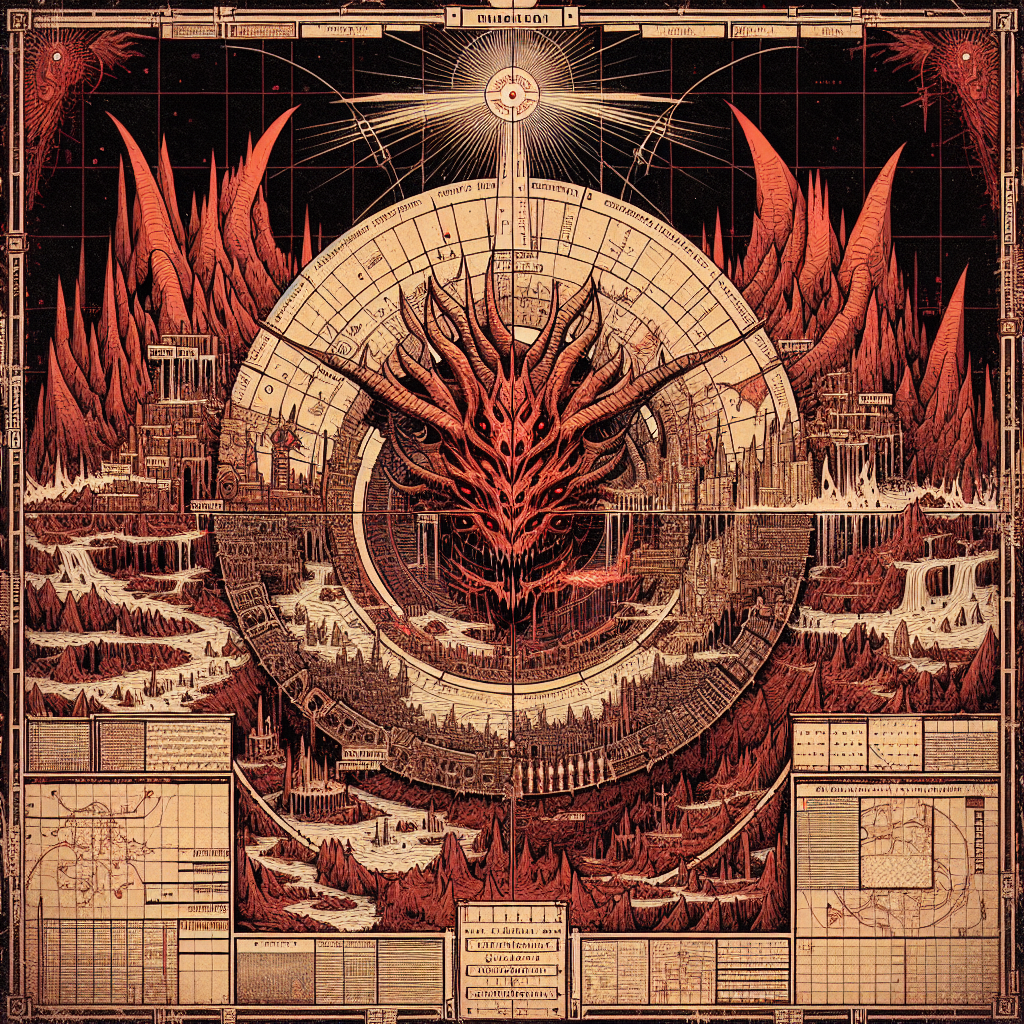

Zoogz Rift's 1989 album Torment is like stepping into a surreal performance where madness wields its brush with chaotic brilliance. This avant-garde project, crafted by the eccentric and undefinable artist Zoogz Rift, throws you headfirst into a whirlpool of experimental rock, pushing the boundaries of music at that time. Known for his unpredictable stage presence and eclectic style, Rift created a soundscape that challenges and seduces the listener, serving as both a statement and a provocation.
Rift, the alter ego of Robert Pawlikowski, was notorious for fusing diverse influences ranging from Frank Zappa to Captain Beefheart, wrapped within layers of absurdist humor. His take on music was never just about crafting a series of hits or polished tracks but producing art that defied categorization and embraced anarchy. Torment manifests as an embodiment of Zoogz's ideology—a rebellion against conventional music structures.
Torment emerged in an era where the late 1980s music scene, dominated by polished pop and emerging hip-hop, rarely indulged in such unorthodox expressions. The album does not prioritize accessibility; it opts instead for a raw, often abrasive experience that speaks more to those willing to embrace the discomforts of its creativity. You won't find catchy hooks that stick in your head or lyrics that make easy sing-alongs. Instead, Torment is built on an architecture of squealing guitars, frenetic rhythms, and Rift's growling voice narrating twisted tales.
The complexity and seemingly chaotic nature of the album might come across as overwhelming, and understandably, not everyone’s cup of tea. That's what makes Zoogz Rift so intriguing. He’s an artist’s artist, often creating for the sake of creativity rather than commercial success or adulation. This deviation from what was popular highlights a kind of freedom—a liberty to vocalize dissonance and unfiltered expression, a quality many contemporary musical pieces fear embracing fully in the age of social media virality.
What stands out about Rift's work on Torment is the deliberate choice to create a conversation through sound—a chaotic dialogue that provokes thought about the state of art, culture, and society. Of course, this often sparks debate among listeners, some considering it sheer noise while others revel in its ingenuity. This division mirrors the broader conversations happening today, where styles clash and diversity in tastes often lead to lively debates about what constitutes as real art.
If we imagine the listeners of Torment as passengers on some unsettling musical journey, the album never really lets them find comfort aboard a calm vessel. Much like the socio-political climate of both the 1989 period and now, Rift's album can be seen as a sonic metaphor for tumultuousness and unpredictability. Given my own liberal political stance, the reflection of such unrest can be intuited as a mirror—a way to experience volatility in an abstract form, reminiscent of the current ideological battlegrounds faced by Gen Z.
Torment may puzzle you, irritate you, or provoke unexpected realizations. It's that spellbinding unpredictability that still makes it relevant. When listening, some might find themselves aligned with Rift's unabashed rebellion against clarity and conformity, identifying parallels with modern movements that challenge societal norms and the status quo.
Exploring Torment might make you reminisce about a time where counterculture was thriving against the odds, posing as an unrestrained stance against 'the machine', inspiring a new sense of resistance among its listeners. For a generation like Gen Z, characterized by both staunch optimism and pervasive anxiety about the future, Torment can be both a history lesson and an artistic manifesto. It bridges a connection from anti-establishment narratives of past decades to present-day activism and the perpetual push against regressive forces.
Gen Z lives in a world teeming with diversity and conflicting ideologies, making Torment an album worth experiencing, if not fully embraced, for its audacity and embodiment of a time when paving your path felt as rebellious as it was liberating. Though Rift's vocal delivery and compositional tactics may appear foreign or inaccessible at first, there's value in understanding the context from which such works originate—times not too dissimilar to our own today.
Engaging with Torment isn't about loving every cacophonous note or agreeing with every artistic choice but about understanding an artist's vision. Rebellious, jarring, and utterly unapologetic, Rift scoffed at mainstream trends, creating something truly unique. Perhaps therein lies the magic for listeners—whether they despise it or find it hopelessly fascinating—Torment compels us to think.
Perhaps that's what makes Torment so fascinating and lasting—an invitation to confront the uneasy, the unfamiliar, and to possibly find meaning amid chaos. The album stands as a testament to the beauty of discord and echoes today's cultural and political discussions. As creators and consumers, particularly in such an interconnected world, we can still learn from Rift’s era, applying its lessons to forge new paths of expression in the landscape of modernity.