
The Top of Europe: A Journey to Jungfraujoch
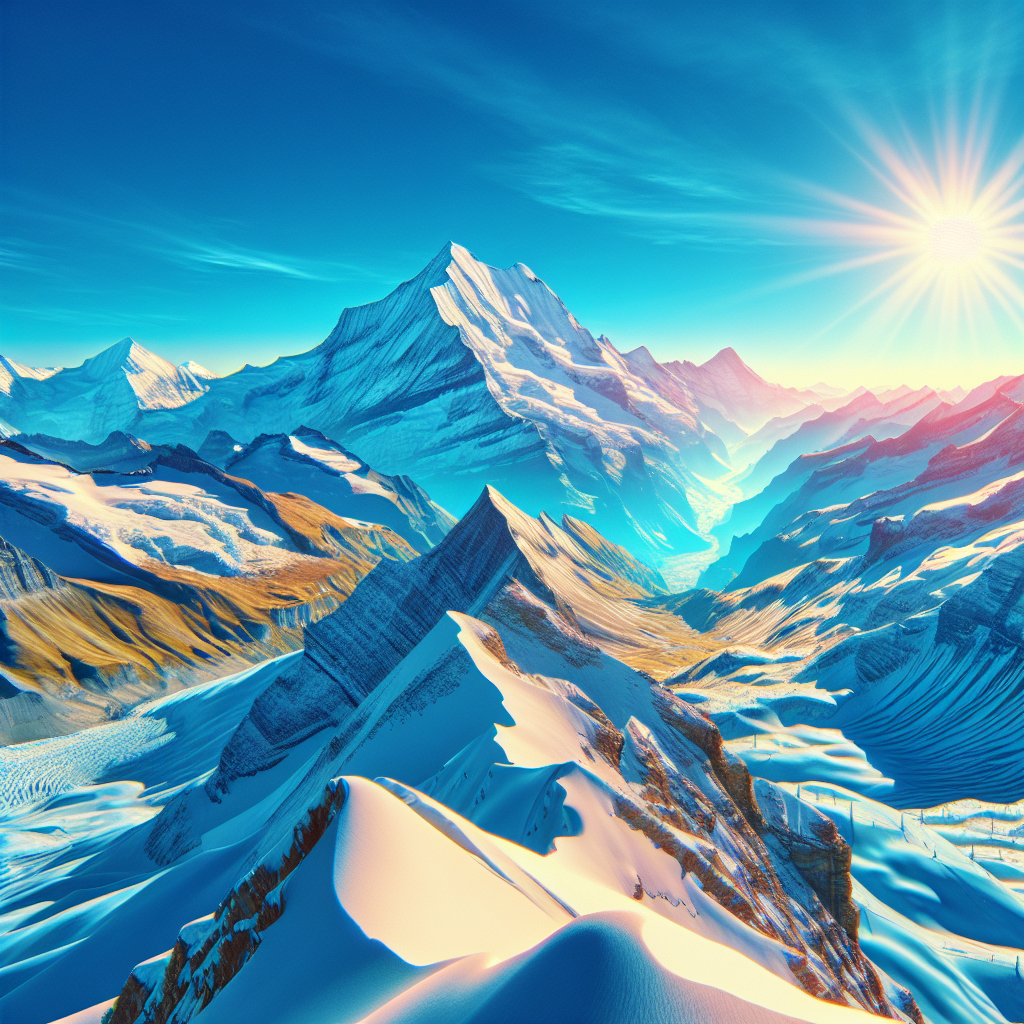
Imagine standing on the roof of Europe, surrounded by snow-capped peaks and breathtaking views that stretch as far as the eye can see. This is the experience awaiting you at Jungfraujoch, often referred to as the "Top of Europe." Located in the Bernese Alps of Switzerland, Jungfraujoch is a high-altitude mountain pass that sits at an elevation of 3,454 meters (11,332 feet). It is accessible via a cogwheel train, which has been transporting visitors to this stunning location since 1912. The journey to Jungfraujoch is not just about reaching the summit; it's about experiencing the awe-inspiring beauty of the Swiss Alps and understanding the engineering marvel that makes this trip possible.
The Jungfraujoch is a popular destination for tourists from around the world, offering a unique blend of natural beauty and human ingenuity. The cogwheel train ride itself is an adventure, winding through tunnels and offering panoramic views of the surrounding mountains. Once at the top, visitors can explore the Ice Palace, an intricate network of ice sculptures and tunnels carved into the glacier. There's also the Sphinx Observatory, which provides a 360-degree view of the Alps and is one of the highest observatories in the world. For those interested in science, the research station at Jungfraujoch conducts important studies on climate and weather patterns.
While the experience is undoubtedly breathtaking, it's important to consider the environmental impact of tourism in such fragile ecosystems. The Swiss government and local authorities have implemented measures to minimize the ecological footprint of visitors. This includes promoting sustainable tourism practices and investing in renewable energy sources for the facilities at Jungfraujoch. However, the sheer number of tourists can still pose a threat to the delicate alpine environment. It's crucial for visitors to be mindful of their actions and respect the natural surroundings.
Critics of the Jungfraujoch experience argue that the commercialization of such a pristine location detracts from its natural beauty. They point out that the infrastructure required to support tourism, such as the train and visitor centers, can disrupt local wildlife and contribute to environmental degradation. On the other hand, proponents argue that tourism provides a significant economic boost to the region, supporting local businesses and creating jobs. They also highlight the educational value of the experience, as it raises awareness about the importance of preserving natural landscapes.
For many, the journey to Jungfraujoch is a once-in-a-lifetime opportunity to witness the majesty of the Alps. It's a chance to connect with nature and appreciate the wonders of our planet. However, it's essential to balance this desire for exploration with a commitment to sustainability. By supporting eco-friendly initiatives and being conscious of our impact, we can ensure that future generations will also have the chance to experience the top of Europe.
Ultimately, the Jungfraujoch experience is a testament to human curiosity and our desire to explore the world around us. It challenges us to think about our relationship with nature and the responsibilities that come with it. As we stand on the top of Europe, we are reminded of the beauty and fragility of our planet, and the importance of protecting it for the future.