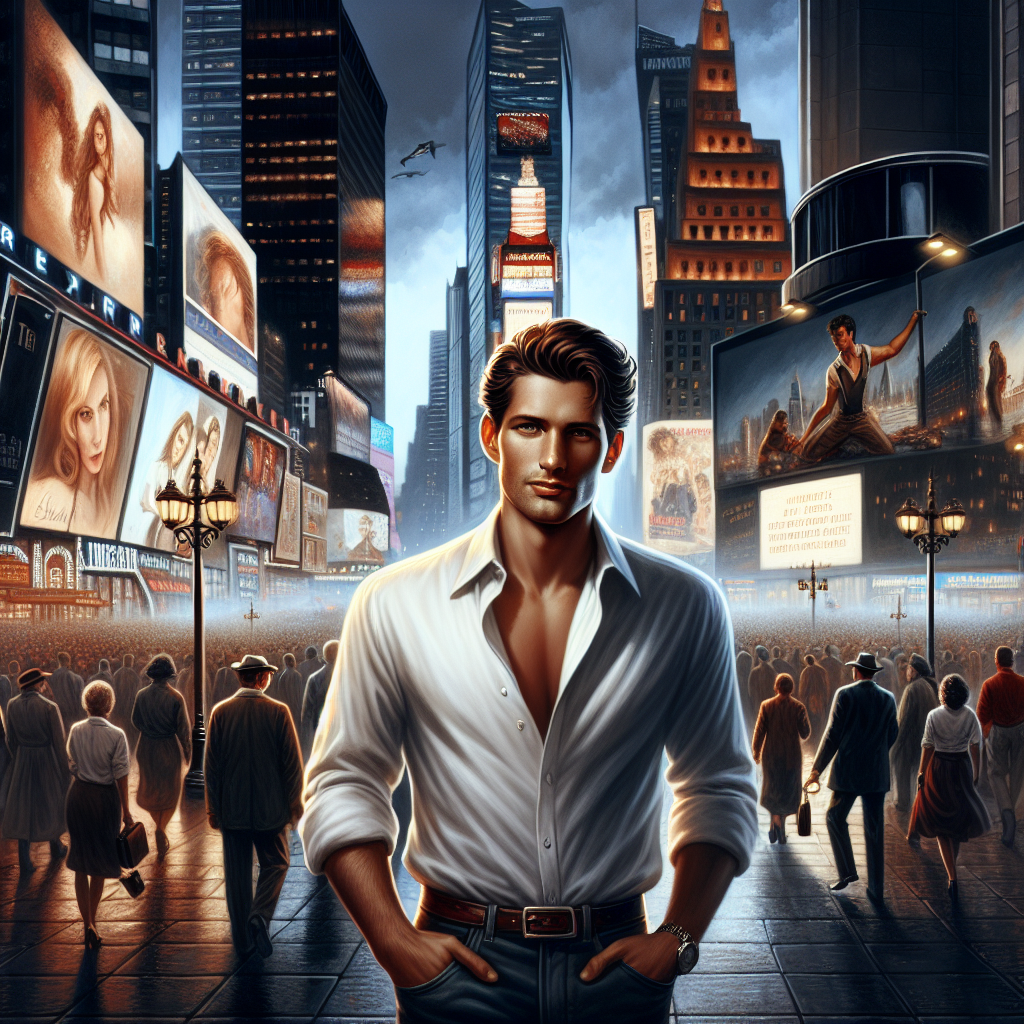

The Playboy of Times Square: A Tale of Glamour and Controversy
In the heart of New York City, where the lights never dim and the energy is palpable, a new figure has emerged, capturing the attention of both locals and tourists alike. This isn't just any ordinary person; it's the Times Square Playboy, a character who has become a symbol of both allure and debate. The phenomenon began in early 2023, when a charismatic individual started making regular appearances in Times Square, dressed in extravagant outfits reminiscent of the classic Playboy style. With a flair for the dramatic and a knack for drawing crowds, this person has become a staple of the bustling area, sparking conversations about freedom of expression and public decency.
The Times Square Playboy, whose real identity remains a mystery, has become a social media sensation. Videos and photos of their antics have gone viral, with people from all over the world chiming in with their opinions. Some see the Playboy as a refreshing burst of creativity and self-expression in a world that often feels too rigid. They argue that Times Square, known for its eclectic mix of performers and characters, is the perfect stage for such a spectacle. For them, the Playboy represents the spirit of New York City: bold, unapologetic, and always pushing boundaries.
However, not everyone is thrilled with the Playboy's presence. Critics argue that the character's provocative attire and behavior are inappropriate for a public space frequented by families and children. They worry that the Playboy's antics could set a precedent for other performers to push the envelope even further, potentially leading to a decline in the area's family-friendly atmosphere. This has sparked a broader debate about what is considered acceptable in public spaces and who gets to decide those boundaries.
The local authorities have found themselves in a tricky position. On one hand, they want to maintain the vibrant and diverse culture that makes Times Square unique. On the other hand, they have to consider the concerns of residents and visitors who feel uncomfortable with the Playboy's presence. So far, the city has taken a hands-off approach, allowing the Playboy to continue their performances while monitoring the situation closely. This decision has been met with mixed reactions, highlighting the complexity of balancing individual freedom with community standards.
The Times Square Playboy has also become a symbol of the ongoing cultural shifts happening in society. As younger generations, particularly Gen Z, continue to challenge traditional norms and advocate for more inclusive and diverse expressions of identity, the Playboy's presence can be seen as a reflection of these changes. For many young people, the Playboy is not just a performer but a representation of the freedom to be oneself without fear of judgment or censorship.
This situation also raises important questions about the role of public spaces in modern society. Should they be places where people can express themselves freely, or should there be limits to ensure that everyone feels comfortable and safe? The Times Square Playboy has inadvertently become a case study in this debate, forcing people to confront their own beliefs about freedom, expression, and community.
As the Times Square Playboy continues to captivate audiences and spark discussions, it's clear that this is more than just a passing trend. It's a reflection of the ongoing evolution of cultural norms and the ever-present tension between individual rights and collective values. Whether you see the Playboy as a hero of self-expression or a nuisance to public decency, there's no denying the impact they've had on the cultural landscape of New York City and beyond.