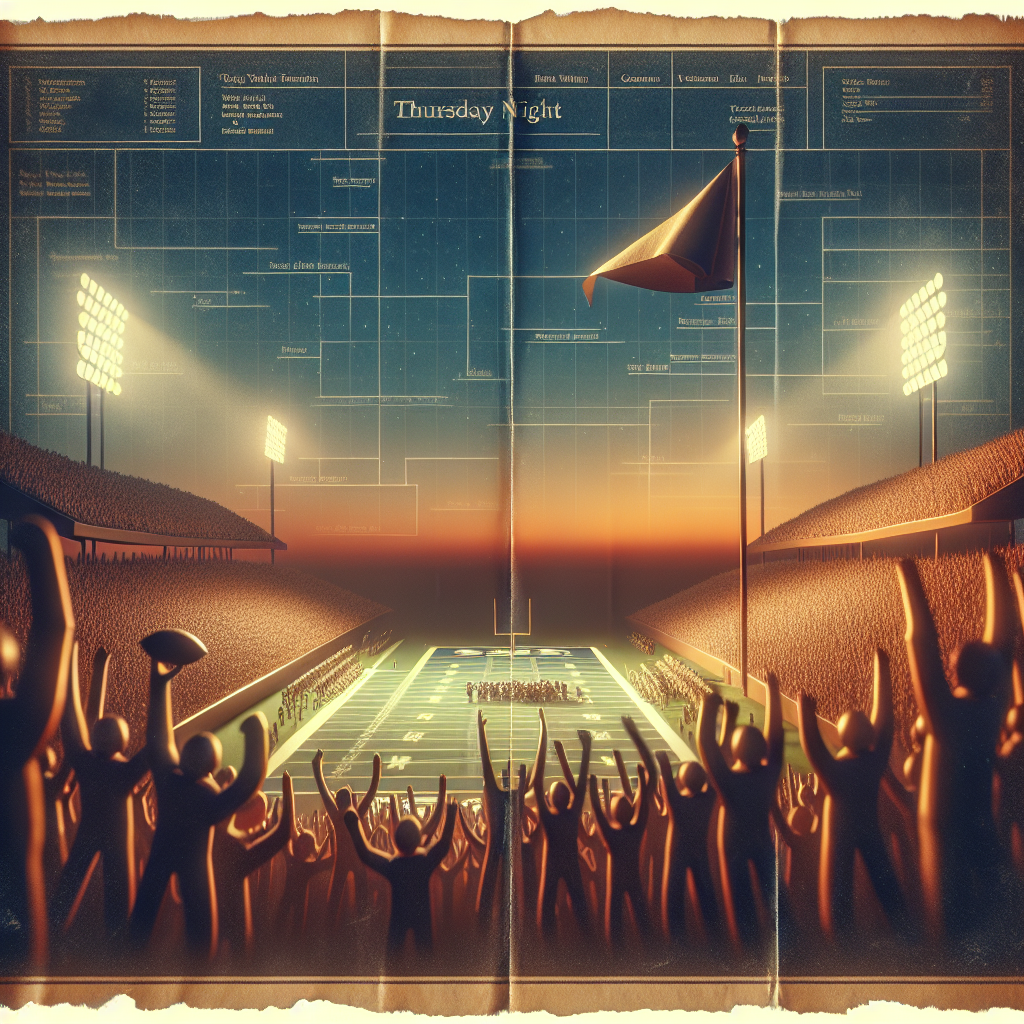

Every Thursday night, for 17 weeks, NFL fans unite under the shimmering stadium lights, ready for a night full of unexpected twists, major plays, and intense rivalry. Thursday Night Football has become a cherished staple of American sports, adored by millions across the country. This primetime event isn't just about football; it's about communities coming together, families bonding over their favorite teams, and the drama that only live sports can bring into a weekday evening. But how did Thursday become such a pivotal day of the football week?
Thursday Night Football (TNF) kicked off its journey in 2006 under the NFL Network. It initially served as an opportunity to spotlight teams and matchups that might not get primetime television coverage on Sunday or Monday nights. The idea was simple: offer football enthusiasts a mid-week game to look forward to while extending the NFL's brand and entertainment empire. Although it had a rocky start with mixed reviews, TNF steadily gained popularity, growing from a series of sporadic games into a consistent weekly fixture.
For many, the magic of TNF lies in its ability to break the monotony of the workweek. Just when the grind begins to feel unbearable, football arrives to provide an escape. Fans from all walks of life, irrespective of political views, gather to support their teams, emphasizing sport’s unique power to unite people despite their differences. It's a time when cheering for a touchdown triumphs over any disagreements off the field.
However, this cultural phenomenon isn't without its share of criticism. The most vocal opposition stems from the concern for player safety and well-being. Critics argue that Thursday Night Football forces athletes into action without adequate rest, as teams often only have three days to recuperate from their previous Sunday game. This frantic schedule can increase the risk of injury and reduce game quality—a concern that weighs heavily on players’ advocacy groups. In this light, some ask, is the quest for a nationwide spectacle worth the toll it takes on the athletes?
On the other hand, Thursday games open doors for fresh talents. Non-marquee teams get the spotlight, allowing emerging players to showcase their skills in front of a national audience. It's an opportunity for fans to see promising rookies who might fly under the radar during typical media coverage. For some players, this exposure becomes their breakout moment, propelling their careers toward new heights.
Broadcasting rights and the financial engine behind TNF also draw attention. With massive contracts and viewership statistics, the games represent significant economic ventures. Companies clamor for ad spots, and networks compete fiercely for streaming rights. Business-wise, TNF is a lucrative deal that few can overlook. This commercial success reinforces its place on Thursday nights, ensuring fans can expect games for years to come.
This doesn't mean viewers are blind to the intricacies behind the broadcast curtain. Following the Gen Z ethos of activism and ethics in consumerism, there’s growing consciousness about the implications of profit-driven sports entertainment. People express concern about how commercialization impacts the quality of the game and the ethical dimensions surrounding athletes' health.
Even with such controversies, the spirit of Thursday Night Football persists. It underscores the essence of sports as a unifying force, a spectacle capable of bridging divides, if only for a few hours. Therein lies its charm as well as its contradiction—the sharp reminder that the game's biggest plays can't always be pinned down to a single scoreline or strategy.
For Gen Z, tuned into social justice issues and labor rights, Thursday Night Football offers a multidimensional view of sports culture. Every touchdown and tackle underscores wider debates about fairness and corporate responsibility. But it’s also a reminder of sports' unparalleled ability to rally diverse groups together.
This ongoing conversation about TNF continues every time the season kicks off anew. The shared experiences it creates ensure its place on the cultural stage, extending beyond touchdowns and first downs, digging into areas that really matter to a generation keen on redefining the future of sports and beyond.