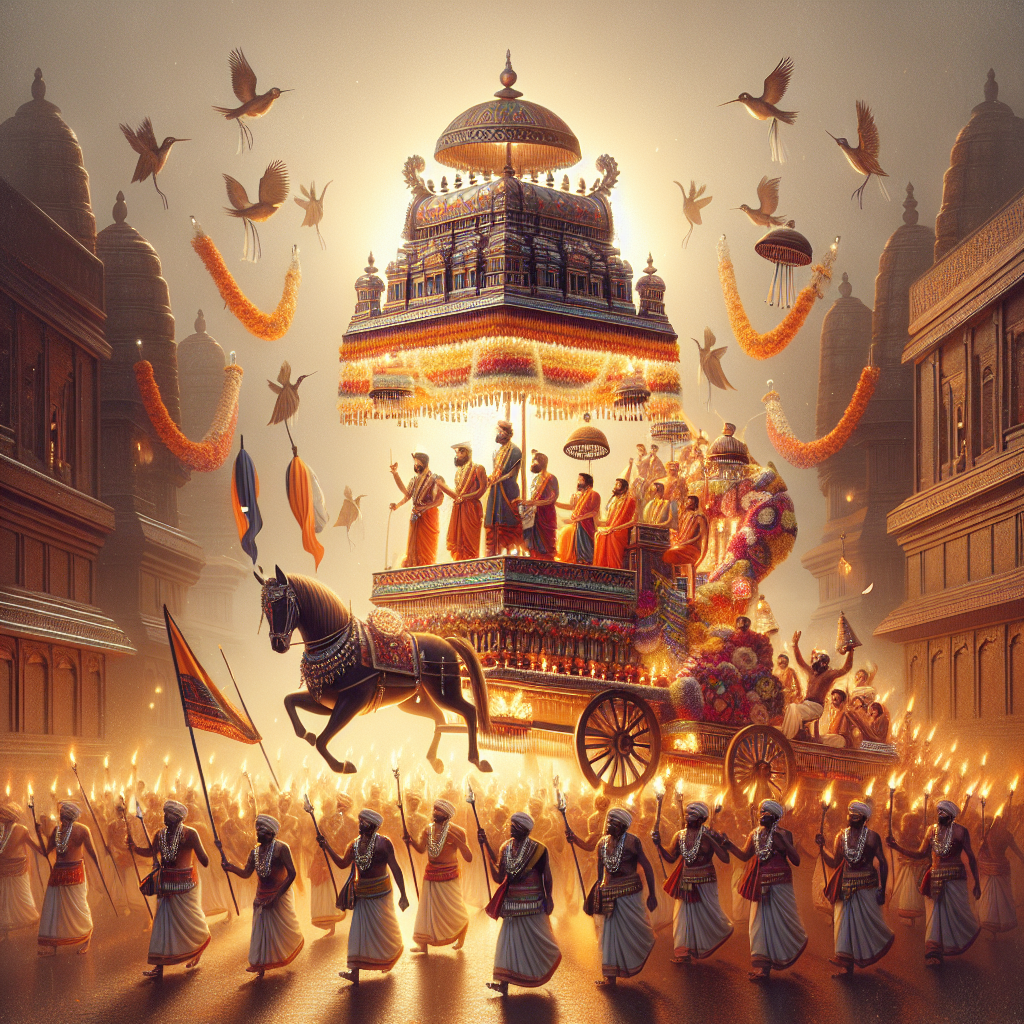

Imagine a world where history, culture, and political beliefs intertwine to create a unique celebration of a community’s legacy—that’s Thevar Jayanthi. Celebrated predominantly in the Indian state of Tamil Nadu, Thevar Jayanthi honors the birth anniversary of Pasumpon Muthuramalinga Thevar. This festival usually falls in October, and it’s far from just your run-of-the-mill festival. It takes place in regions like Madurai and Ramnad, where devotees and admirers gather in large numbers. The festival commemorates the impactful life of Thevar, a freedom fighter and a leader who championed the rights of socially oppressed communities. His legacy lives on, and every year, Tamil folk from near and far gather to pay their respects, making this not merely an event, but a reflection of continuing traditions and evolving conversations in modern society.
Understanding Thevar Jayanthi requires a bit of historical context. Pasumpon Muthuramalinga Thevar was a freedom fighter during the British rule in India. He was born in 1908 and died in 1963 but left a lasting impact on both political and social spheres. Thevar was a prominent figure in the All India Forward Bloc, a party founded by Subhas Chandra Bose. He fought for social justice and pushed against the shackles of untouchability. His life wasn’t just about political resistance; it was about uplifting the disenfranchised. This is why his birth anniversary takes on a color of reverence and activism, celebrating the ideals he stood for. Thevar Jayanthi embodies not just a remembrance of a leader but also the ongoing fight for equality and community rights.
The celebrations are vibrant, yet rooted in solemnity. Statues of Thevar are adorned with garlands, processions happen, and speeches highlight his legacy. But there is more under the surface. For Gen Z, Thevar Jayanthi can be a lens through which to understand the intersection of culture and politics. There’s a palpable sense of unity among those gathered, even as the celebration nods to complicated histories and current political landscapes.
While Thevar Jayanthi primarily brings together devotees who honor Thevar’s ideology, it also serves as a reminder of the need for inclusive dialogue. Not everyone views Thevar Jayanthi through the same lens. Some critics argue it romanticizes a past that should be critically examined rather than glorified. Others point out potential misuses of Thevar’s legacy to further contemporary political agendas, a point that encourages healthy skepticism and discussions among young audiences.
The occasion becomes a chance to explore what it means to celebrate historical figures and their legacies today. What does it mean when a leader’s legacy is celebrated—is it about what they did, or about what people project onto them today?
For many in the younger generations, celebrations like Thevar Jayanthi are a way to connect with roots but also critically look at what those roots mean in modern life. There’s potential here for introspection, challenging traditional beliefs, and acknowledging complexities. The festival becomes a mirror, reflecting back not just historical facts but the diversity of interpretations and meanings.
In recent years, social media has played a significant role in shaping how Thevar Jayanthi is perceived, especially among the youth. TikTok videos, Instagram posts, and Twitter discussions enrich the celebration with varied perspectives. While older generations might focus on tradition, younger people often bring in elements of change and modern dialogue, with hashtags and memes contributing to a broader understanding.
Gen Z, characterized by their zeal for activism and social justice, may find in Thevar Jayanthi both a celebration and a call to question what has been and what should be. The festival provides an arena to analyze how history influences contemporary social justice movements. It’s a day that can spark meaningful discussions about caste, privilege, and activism in today’s context.
As you think about Thevar Jayanthi, it’s essential to consider how its significance oscillates between commemoration and contemporary relevance. The story of Pasumpon Muthuramalinga Thevar and what he stood for resonates with ongoing debates about identity, representation, and equality. Each passing Thevar Jayanthi signals a chance for engagement, not just as a cultural duty but as an opportunity for learning.
Therefore, while Thevar Jayanthi is deeply tied to the past, it has implications for the future. It serves as a reminder that celebratory events can be both historic and progressive, uniting tradition with the fervor for social change that so well represents Gen Z. It's an exemplar of how cultural events can be both a nod to history and a conversation starter for what comes next.