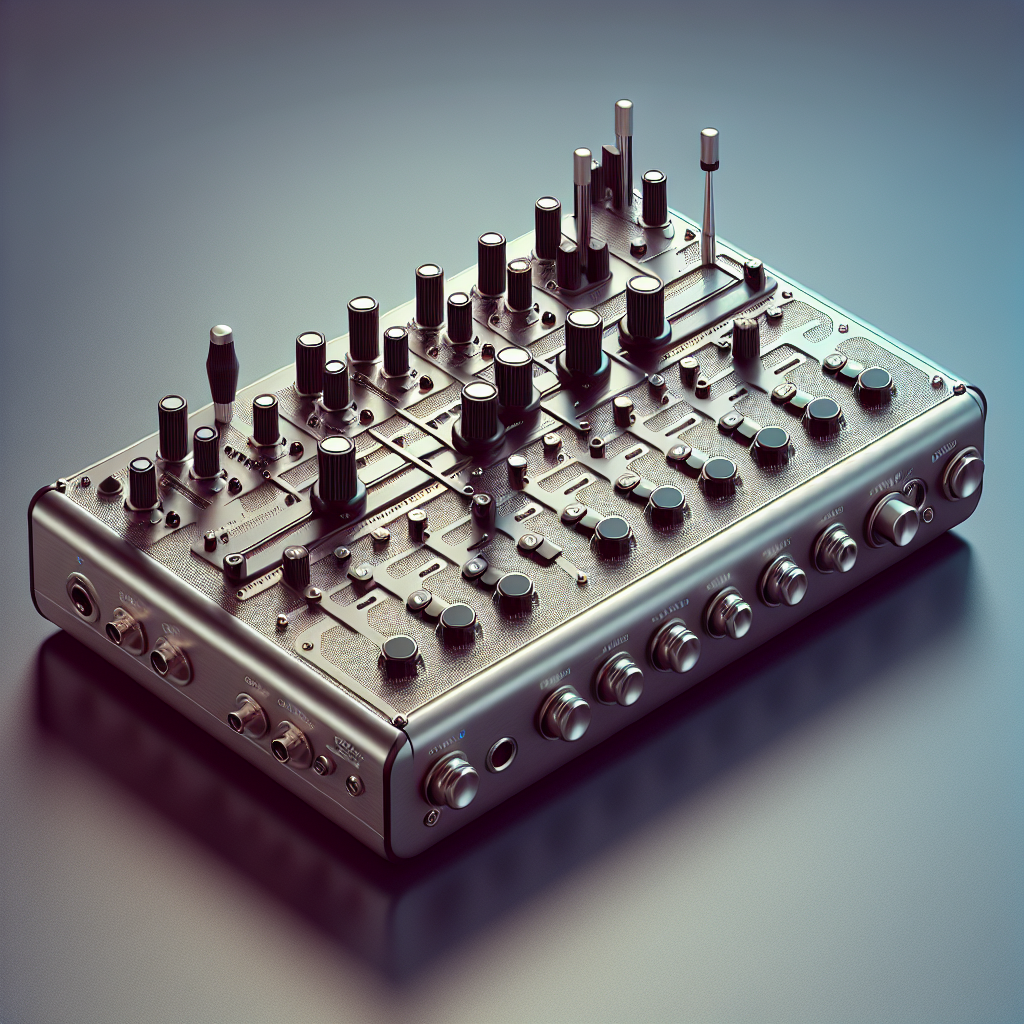

Imagine playing music without touching an instrument. This sounds like something out of a sci-fi novel, but it’s a reality thanks to the theremin, one of the first electronic musical instruments invented by Léon Theremin. Created in the early 20th century, it brought a new wave of musical expression by using electromagnetic fields you control with mere gestures. In 1920, the theremin was invented in Russia, captivating audiences with its eerie, otherworldly sounds. This was a time of revolutionary change as science, art, and politics intertwined, offering a backdrop ripe for innovation.
The theremin stands out not just because of its unusual sound but due to its political and social background. Léon Theremin himself was a fascinating figure—an inventor and spy, caught between his genius and the demands of Stalinist Russia. As the world grappled with the aftermath of World War I, the emergence of such groundbreaking technology was a beacon of hope for many who believed in progress and modernity.
Theremins have striking otherworldly qualities. Without physical contact, you pitch by moving your hand closer to or farther from an upright antenna, and you control volume with another. This allows performers to bend and twist sound in a way unmatched by other instruments. Although initially it was a classical orchestration tool, it found home in sci-fi films of the mid-20th century, becoming synonymous with spooky, alien soundtracks. The theremin brought a fresh soundscape to movies such as “The Day the Earth Stood Still,” dazzling audiences with its futuristic ambiance.
In a world straddling old traditions and new technology, the theremin symbolized a shift. It became a cultural artifact, representing not just music but a movement towards exploring what’s possible. It challenged musicians to rethink their craft, ushering in an era where electronic sound began to merge with artistic expression. The innovative edge of theremins opened doors to what electronic music has become today.
It’s important to remember though, that the theremin isn't just about the music. The world was in flux, with intense political movements spreading globally. Theremin himself was a victim of this, his life intertwined with Russian espionage, his work with the KGB, and eventual forced return to the Soviet Union. These events add a layer of gravity to the theremin's carefree melodies, a reminder of the burden creatives have often carried.
The intrigue surrounding the instrument didn’t stop in the 1950s. It resonated through generations, influencing modern music genres such as rock and electronic dance music. The theremin is particularly adored for its raw emotional sound, translating into music by bands like The Beach Boys. Tracks like "Good Vibrations" capture a playful yet philosophical auditory journey, using this sound to elicit joy and introspection in equal measure.
Today, as Generation Z stands at the crossroads of past wonders and future possibilities, the theremin embodies a spirit of innovation—pushing boundaries, fostering inclusivity, and encouraging creativity. It appeals to those who seek unique, authentic experiences and represents a break from tradition, a leap into the unknown.
Some may critique the theremin as an impractical instrument fit only for curious minds searching for novelty. They argue its application is limited and its sound niche. These perspectives are worth considering. However, it can catalyze new ideas, encouraging both introspection and energetic innovation. It's a reminder of the ever-curious human spirit, which finds beauty in the unfamiliar.
As Gen Z navigates an increasingly digital landscape, embracing technologies that make it possible to blend art and technology seamlessly could be more important than ever. Instruments like the theremin resist commodification. They've persisted through eras of change, providing clues to us, who yearn for stories and sounds that transcend time and borders.
Embracing its legacy, the theremin stands as an enduring icon of both its invention’s era and today’s continuing journey towards breaking barriers. Its sound travels through time, a testament to the power of quirky, bold innovation. It serves as a call to not only hear music but to feel technology in the spaces beyond what we know.