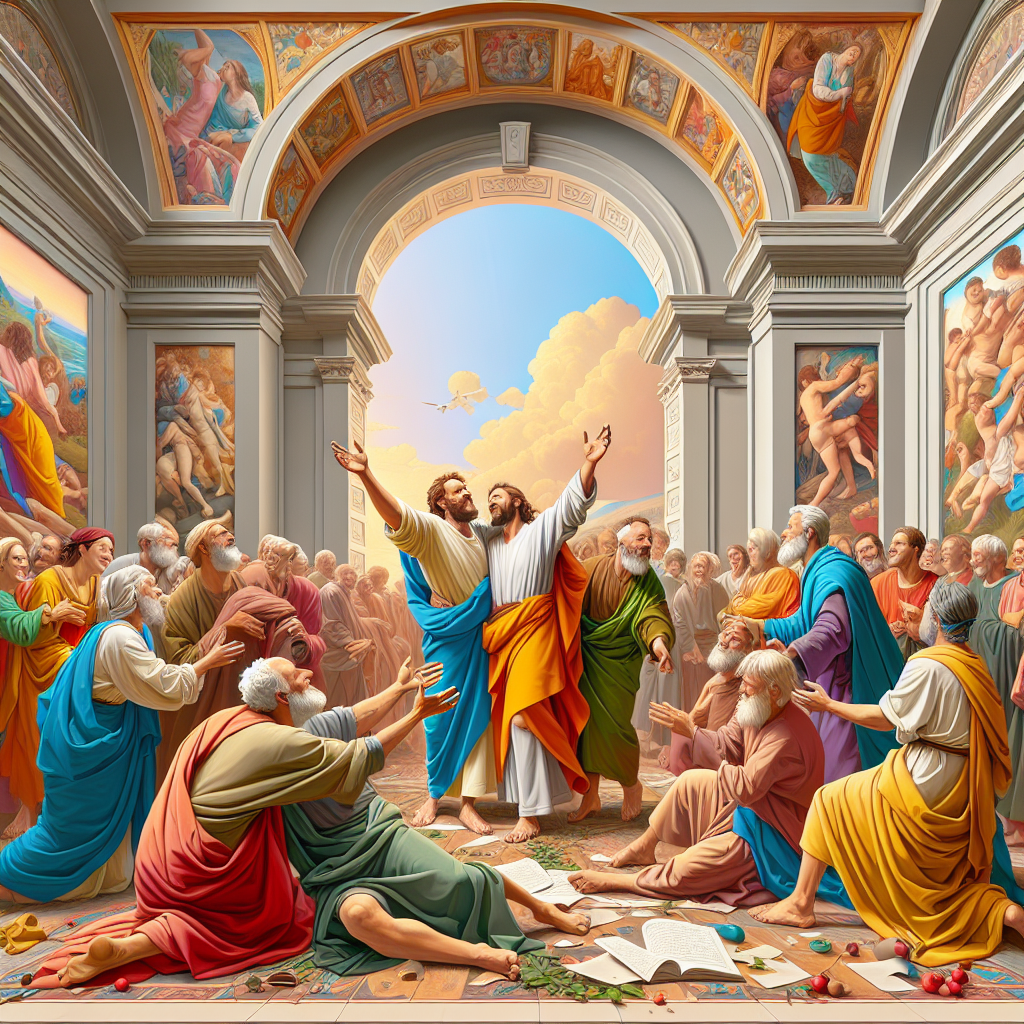

The Return of the Prodigal Son: A Masterpiece at Palazzo Reale
Imagine a painting so captivating that it draws you into a biblical tale of forgiveness and redemption. This is exactly what Mattia Preti's "The Return of the Prodigal Son" achieves, currently housed in the magnificent Palazzo Reale in Naples, Italy. Created in the 17th century, this masterpiece captures the poignant moment of a son's return to his father after squandering his inheritance. The painting is a vivid representation of the parable from the Gospel of Luke, where the themes of repentance and unconditional love are explored. Preti's work is not just a visual feast but a narrative that resonates with viewers across centuries, inviting them to reflect on the complexities of human relationships and the power of forgiveness.
Mattia Preti, an Italian Baroque artist, was known for his dramatic use of light and shadow, a technique that brings the emotional depth of this painting to life. The scene is set with the father embracing his son, who kneels in repentance, while other figures look on, each with expressions that add layers to the story. The use of chiaroscuro, a hallmark of Baroque art, highlights the emotional intensity of the moment, drawing the viewer's eye to the central figures and their poignant interaction. Preti's ability to convey such a powerful narrative through his brushstrokes is a testament to his mastery and understanding of human emotion.
The Palazzo Reale, where this painting is displayed, is a historic palace that adds to the grandeur of Preti's work. Located in the heart of Naples, the palace itself is a symbol of the city's rich cultural heritage. It serves as a fitting backdrop for a painting that delves into themes of familial bonds and moral lessons. Visitors to the Palazzo Reale are not only treated to the architectural splendor of the palace but also to a collection of artworks that reflect the artistic and historical significance of the region.
The story of the prodigal son is one that has been interpreted in various forms of art, literature, and music over the centuries. It speaks to the universal human experience of making mistakes, seeking forgiveness, and the hope of reconciliation. In today's world, where divisions and misunderstandings often prevail, the message of this parable remains relevant. It encourages empathy and understanding, reminding us of the importance of compassion and second chances.
While some may argue that the themes of the prodigal son are rooted in religious doctrine, the painting transcends its biblical origins. It invites viewers of all backgrounds to engage with its narrative on a personal level. The emotions depicted are universal, and the story is one that many can relate to, regardless of their beliefs. This is the power of art—it bridges gaps and fosters connections, allowing us to see beyond our differences.
For Gen Z, a generation that values inclusivity and social justice, the painting offers a chance to reflect on the importance of forgiveness and empathy in building a more understanding world. It challenges us to consider how we can apply these values in our own lives and communities. The painting is not just a relic of the past but a conversation starter for the present and future.
Mattia Preti's "The Return of the Prodigal Son" at the Palazzo Reale is more than just a painting; it is a timeless narrative that continues to inspire and provoke thought. It serves as a reminder of the enduring power of art to convey complex emotions and stories that resonate with audiences across generations. As we stand before this masterpiece, we are invited to reflect on our own journeys, the mistakes we've made, and the forgiveness we seek, both from others and ourselves.