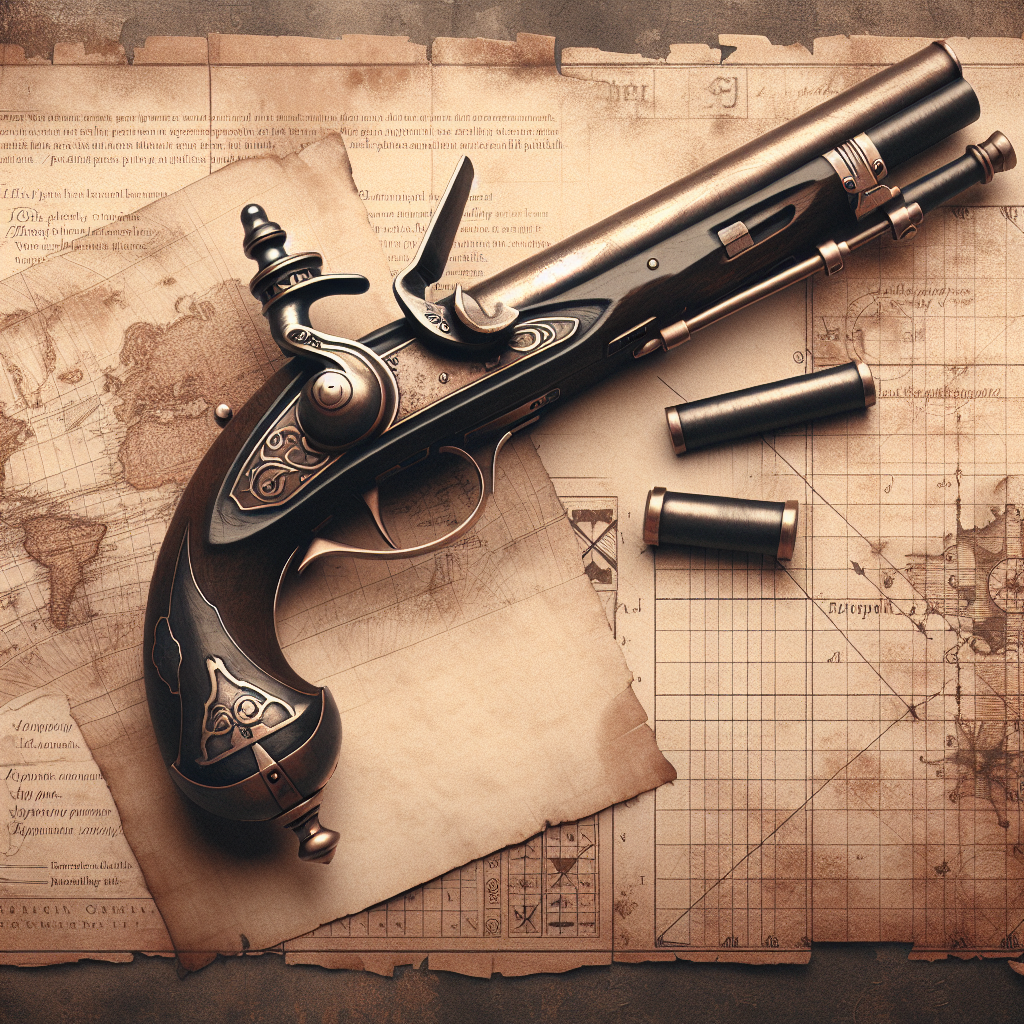

Once upon a time, before the era of hyper-connected tech gadgets and social media revolutions, there was a game-changer in the realm of firearms — the Pepperbox. Often left in the shadows of history by its more famous successors, the Pepperbox revolver made waves in 19th-century America and Europe. Invented in the 1830s, this unusual gun was a precursor to the modern revolver, with its multiple rotating barrels stacked before your eyes like a bundle of hold-on-tight hopes and dreams of frontier settlers aiming for self-defense. It emerged in a world that was rapidly changing, where personal safety was a growing concern as folks moved westward to seek new opportunities.
The Pepperbox was more than just a tool; it was a symbol of accessibility and democratization of personal defense, even influencing broader societal changes. It was the original "pocket revolver," small enough to carry yet potent enough to provide peace of mind. Its design was simple, intuitive, and it offered a multi-shot option that most single-shot pistols of the time couldn't. That sprouting-demand made it popular among civilians and travelers. Despite its flaws, like being somewhat inaccurate due to its short barrels and multiple, scattered shots, it was a stepping stone towards the development of sophisticated firearms.
The Pepperbox may seem quaint today, more of an artifact for collectors than any real threat or protection. Yet back then, it leveled the playing field in unforeseen ways. It allowed ordinary people, not just soldiers, to feel a sense of power and control. As with many innovations, not everyone agreed on its impact. Its advent raised questions about safety, the risks of ordinary people carrying arms, and sparked debates remarkably similar to today's conversations surrounding gun rights and control. While the Pepperbox lacked the technological sophistication of contemporary firearms, it represented an early chapter in the ongoing saga of how societies balance personal freedom with public safety.
This was a time when industrialization was pushing technological boundaries. The Pepperbox reflected this trend by being mass-producible and affordable. Where traditional firearms were crafted weapon by weapon, the Pepperbox could be assembled quicker, making it more accessible to various socioeconomic classes. This aspect alone brought a brush of democratization into play, as the notion of self-defense extended beyond the rich and powerful.
Despite its revolutionary nature, the Pepperbox was an imperfect solution. It was infamous for potential misfires, which sometimes injured the user rather than the intended target. Yet human innovation often arises through trial and error, and the Pepperbox played a crucial role in the eventual development of safer and more reliable firearms, priming the stage for the advent of Samuel Colt's more sophisticated revolvers.
From a sociopolitical perspective, the Pepperbox also signified a shift in power dynamics. It challenged established hierarchies by empowering individuals irrespective of their backgrounds, albeit in a manner that was both liberating and unsettling. Peeling back the layers, we can see echoes of this narrative today in the broader discourse surrounding individual rights versus collective security. By giving power to the individual, it questioned who should truly wield it.
Gen Z, often recognized for its strides toward inclusivity and social justice, might find the narrative around Pepperbox intriguing. It reflects a historical tension between individualized empowerment and safety that resonates with current discussions on personal agency and societal responsibility. Acknowledging both the benefits and risks of such independence underscores the broader question of how society chooses to balance these forces.
Some might argue that celebrating a weapon's historical relevance overlooks the violence associated with firearms. Critics often point to the potential for harm these innovations have always carried. It's essential to remember history isn't always a neat tale of progress. But it is, undeniably, a story of human attempts, failures, and successes to harness power, often reflecting complex social and political landscapes.
In examining the Pepperbox, we grasp both the courage to innovate and the perils of evolving too swiftly without considering repercussions. It represents a fascinating juncture when ingenuity was unleashed upon society, bringing with it unintended ramifications that spurred forward newer, wiser creations. Today’s dialogue on technology and ethics still echoes these themes, challenging us to think about the broader impacts of the tools we create.
The Pepperbox reminds us not to overlook the seeds of change planted long ago, which continue to affect us. Through it, we gain perspective on how history bleeds into the present, tracing the path that has led us to contemporary debates on rights, technology, and what it means to be safe. In addressing these challenges, like those faced by our ancestors clutching Pepperboxes, perhaps we can learn to wield our tools and innovations more wisely, balancing personal empowerment with the collective good.