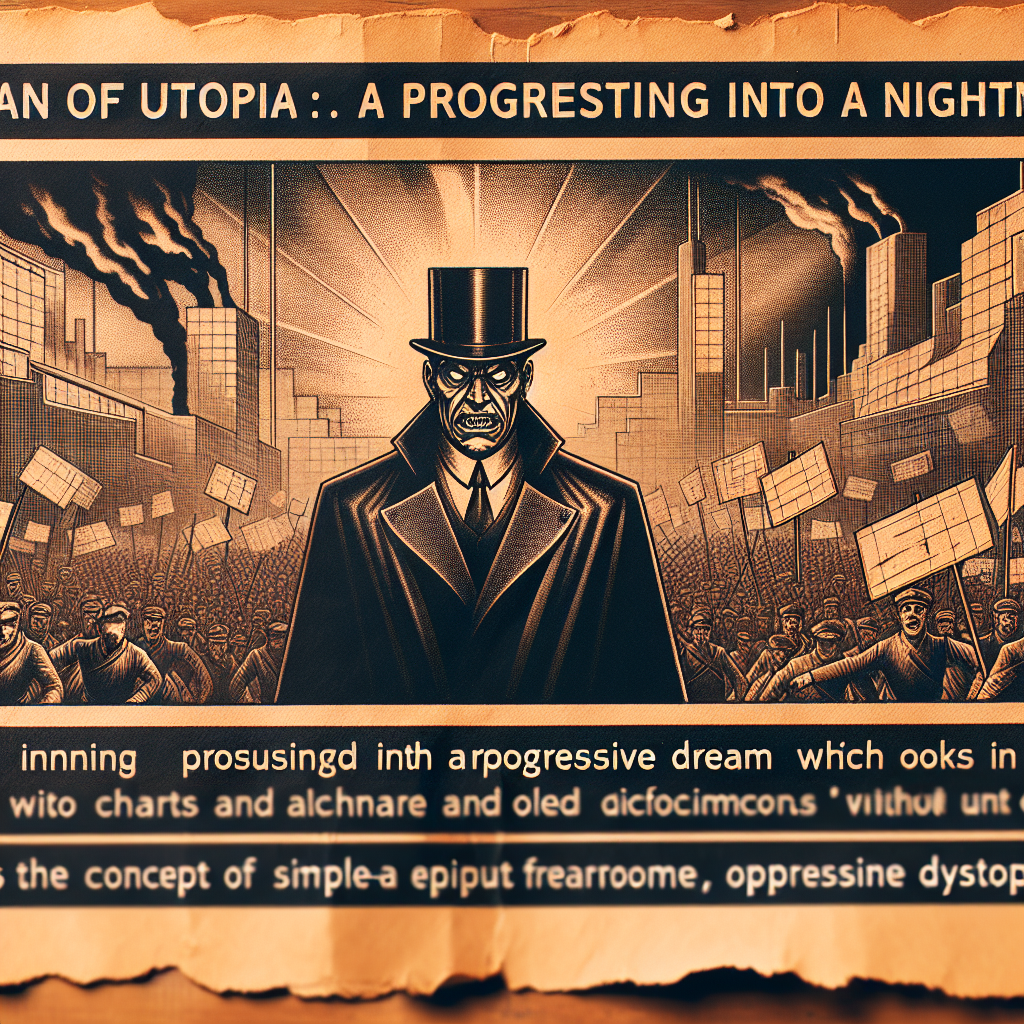

Imagine a world where ordinary rules don't apply, the universe is a wild blend of comic surrealism, and a character named "The Man from Utopia" is at the center of it all. "The Man from Utopia", Frank Zappa's album released in March of 1983, takes listeners on a journey that's unlike any other. Zappa, a maverick artist known for his innovative music and unapologetically eccentric persona, brought this album to life during the 80s against the vibrant backdrop of Los Angeles' ever-evolving music scene. The album acts as an artistic commentary, reflecting both the peculiarities of its creator and the society he observed with a critical eye.
Zappa was no stranger to pushing boundaries both musically and socially, making "The Man from Utopia" a quintessential part of his discography. The album, with its unique blend of rock, jazz, and satirical lyrics, challenges listeners to confront the absurdities of the world around them. His politically liberal stances often seep into his work, challenging established norms and sparking conversations. These themes are evident in tracks like "The Dangerous Kitchen", where mundane aspects of life are examined through Zappa’s trademark humor.
While Zappa's avant-garde style may not appeal to everyone, it's particularly fascinating to observe how his music resonates with Gen Z, a generation known for its affinity for non-conformity and desire for authenticity. The surreal world of "The Man from Utopia" mirrors Gen Z's own explorations of identity, freedom of expression, and skepticism towards traditional societal structures. The album’s eclectic soundscape can be seen as a precursor to today's genre-blending music trends, showcasing a flexible approach to creativity that feels incredibly current.
It's important to acknowledge that Zappa's work did not exist in a vacuum. The political climate of the early 80s was angst-ridden, marked by economic challenges and a society teetering between conservatism and emerging modern values. Zappa, through his satire, tapped into this zeitgeist, critiquing issues ranging from censorship to consumerism. "The Man from Utopia" can be seen as a sonic document of these struggles, encapsulating the chaos and complexities of its time.
Some critics argue that Zappa's work, characterized by its quirkiness and chaotic structure, lacks accessibility for general audiences. The dense arrangements and satirical content require a certain level of engagement and can be challenging for those used to straightforward narratives in music. However, for enthusiasts and those willing to engage with Zappa's artistic maze, the album offers a gratifying experience. It invites listeners on a sonic adventure that defies predictable patterns, encouraging an exploration of musical boundaries.
Zappa's work continues to inspire discussions about the role of art in social commentary. His willingness to satirize authority and advocate for free expression aligns with many contemporary movements that Gen Z champions today. This democratic spirit in music is particularly vital now, as discussions around creators' rights and censorship remain highly relevant.
In the digital age, music has evolved into an expansive domain where traditional boundaries have blurred. Platforms like Spotify and YouTube invite endless exploration, and Zappa’s experimental ethos fits neatly into this landscape. Newer audiences might find his discography through playlists featuring genre-bending artists, who are perhaps unknowingly influenced by his work. For Gen Z, discovering "The Man from Utopia" could feel like unearthing a hidden gem, connecting them to a legacy of creative rebellion and sonic innovation.
Despite differences in tastes, Zappa's distinct commentary continues to challenge societal norms, echoing a timeless dialogue that resonates across generations. Whether celebrating the quirky charm of "The Man from Utopia" or critiquing its more inaccessible elements, engaging with Zappa's work remains a fascinating journey. By revisiting such influential pieces, listeners can appreciate the layered artistry and cultural context, examining how these works shaped and were shaped by their times.