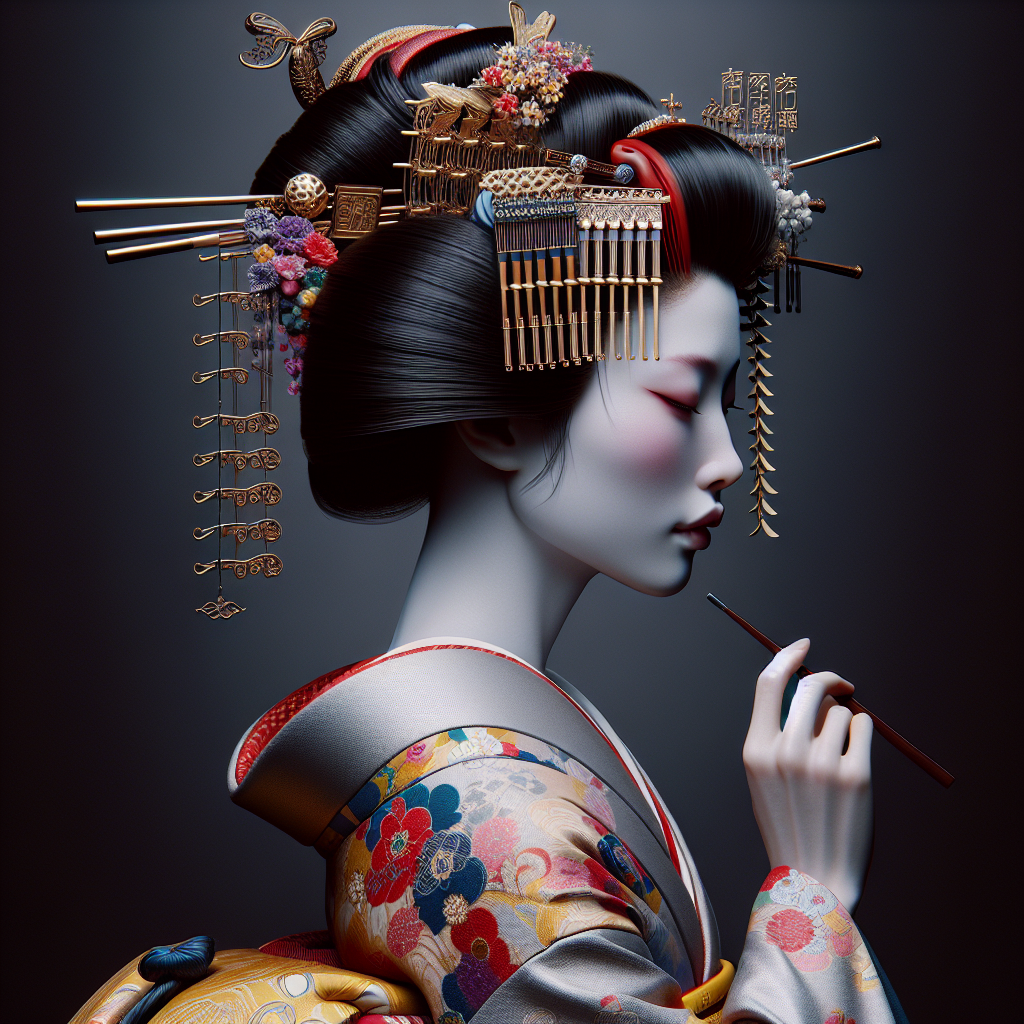

The world of the Geisha is like stepping into a living, breathing piece of history, caught somewhere between the dazzling aesthetics of traditional Japanese culture and the nuanced societal roles that these women played. Originating in the streets of 18th-century Japan, Geishas are professional entertainers, skilled in performing ancient traditions of art, dance, and singing. They embody a form of art that can only be found in the historic districts of Kyoto and Tokyo, offering a glimpse into a world where art and life mingle seamlessly. But who really are these enigmatic figures, and why do they continue to fascinate us to this day?
A Geisha's world is not simply wrapped in layers of stunning silk kimonos or painted across porcelain-like skin. It's a world where centuries-old rituals are preserved; a world that requires years of arduous training and practice, beginning from a young age. These women are sometimes perceived as living relics of a bygone era, yet their existence has always been about adaptation and survival, much like Japanese culture itself.
During the Edo period, around the 18th century, Geishas emerged as prominent figures in social gatherings, entertaining elite patrons in teahouses with their captivating performances. They were artists of conversation, skilled in the delicate balance of charm and wit required to navigate a male-dominated society. It's crucial to understand, though, that Geishas were never courtesans; their profession was rooted in entertainment and artistry, not sexual service.
Despite this clear distinction, the Western fascination with Geishas often leans towards a more romanticized, and occasionally misrepresented, interpretation. This misunderstanding can partially be attributed to popular media sometimes blurring the lines between Geishas and courtesans, a distinction that traditional Japanese culture firmly recognizes. Hollywood films and novels often portray them as mysterious figures, which adds to the allure, but can also inadvertently perpetuate misconceptions.
Geishas represent a rich cultural heritage steeped in tradition, yet they adapt to changing times. Modern-day Geishas, or Geiko in Kyoto and Geigi in other regions, still entertain in traditional tea houses, though their numbers have dwindled since the early 20th century. Advancements in technology and evolving social structures have contributed to a decline in interest from younger generations in pursuing this path. However, the presence of Geishas today still holds a certain fascination, especially for those curious about Japan's cultural arts.
The life of a Geisha is marked by discipline and dedication, often requiring women to undergo training as young as 15. During this training period, known as being a Maiko (apprentice Geisha), the young women learn the complex arts of dancing, playing traditional instruments like the shamisen, and mastering the subtle art of conversation—all while adhering to a strict code of decorum. To become a full Geisha involves not just mastering these skills but also embodying the grace and presence required to authentically represent this traditional role.
There's an inherent dichotomy in public perception toward Geishas, particularly when viewed through a modern gender lens. While they embody empowerment through their mastery of cultural arts, they also operate within a framework historically shaped by patriarchal society. This raises questions about the balance between preserving cultural traditions and upholding modern values of gender equality.
Critics argue that Geishas, operating in traditional settings, reflect outdated gender roles that run counter to contemporary feminist ideals. Conversely, others contend that Geishas, through their art and professionalism, defy simplistic gender binaries. They maintain a space within society where they have agency and command respect, with their performance artistry center stage rather than their gender.
Nevertheless, in our fast-paced, globally connected world, the future of Geisha culture poses poignant questions about cultural preservation. In Japan, efforts are underway to reimagine this ancient profession, often through inclusive approaches that welcome modern interpretations of this cherished tradition. Some young women are increasingly stepping into the role, seeing it as a means to protect an art form struggling against time, thus ensuring its stories are told to future generations.
For Gen Z, enthralled by cultural exploration and social justice issues, the story of the Geisha presents a colorful tapestry of history, artistry, and gender dynamics. It challenges us to reflect on the importance of preserving cultural heritage while questioning the realities of social structures. As global citizens, it's a tale that speaks not just to appreciation but also responsibility, to honor and celebrate cultures beyond their commodification.
Though their numbers may be fewer, and their world a different one than centuries past, Geishas remain quintessential symbols of Japanese tradition. They provide a lens into a culture that is forever whirling in the dance of time—both grounded in its past while evolving with the currents of the present.