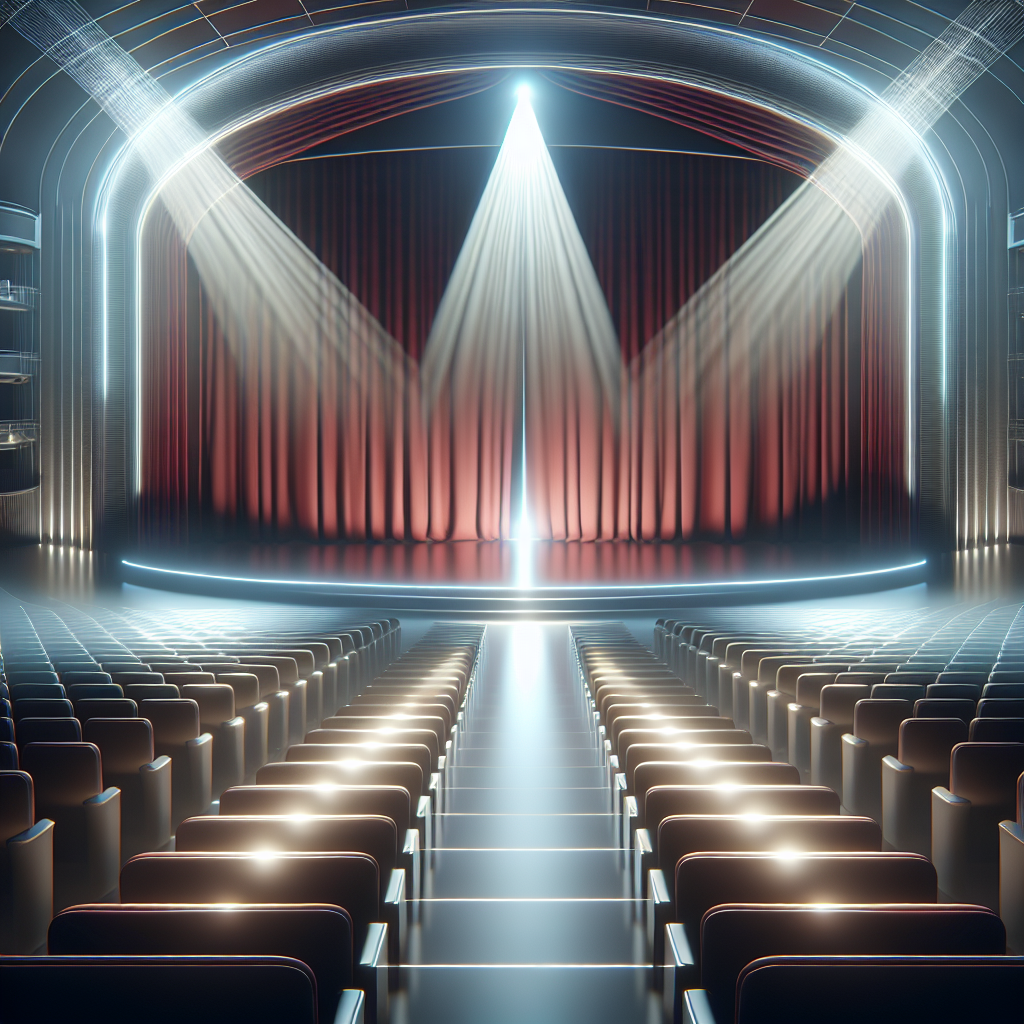

The lights dimmed, the chatter quieted, and in that surreal moment, the anticipation was palpable as the curtain fell on an era. The Curtain Falls is a metaphorical journey, capturing the essence of cultural and societal shifts happening all around us. Written amidst a time of great change, this phrase echoes through the realms of literature, theater, and even politics, signaling the end of an era or the conclusion of a significant event. While the phrase is widely used in various media, it has a poignant relevance today. But what do these words truly capture beyond the obvious?
To grasp what happens when the curtain falls, we need to consider both who writes this story and who experiences it. Every generation faces its own unique challenges—be it the millennials or Gen Z. They push boundaries and question long-standing traditions. Right now, the curtain is falling on many outdated norms. This shift is accelerated by global connectivity, increased access to information, and a marked rise in social awareness. It's like watching a reboot of a classic play, every scene signaling a shift in dynamics the audience maybe wasn't ready for but quietly hoped for.
For people who are politically liberal, these changes often feel like steps toward progress. We see the acceptance of diverse identities, a push for climate action, and the breaking down of ancient, exclusionary hierarchies. Such changes bring hope and a sense of justice. Yet, it's important to acknowledge the other side too—a side that finds comfort and identity in traditions. Many view these shifts with unease, seeing them as a disconnect from what they have always known. They might argue that tearing down traditions could lead to the loss of valuable cultural heritage.
When examining the notion of The Curtain Falls, this duality cannot be ignored. In theater, the closing of the curtain signals a temporary silence, a pause that readies the stage for what's next. Life, much like a play, works in acts and scenes, constantly evolving. Sometimes, new scripts are hard to accept because they threaten the familiar narratives people have been telling and hearing all their lives.
In the socio-political landscape, the metaphor extends to the fall of leaders or governments, the conclusion of laws that no longer serve justice, or even cultural practices that perpetuate inequality. For example, the fall of archaic laws that suppressed votes or the dismantling of statues that celebrated oppressive figures is a curtain falling moment for one group and a reckoning for another. The discussions often become entwined with emotions, embedded values, and deep-rooted fears.
There are parallels here with the entertainment industry, too, where traditional norms have long dictated whose voices are amplified. The movement towards inclusivity and representation is steadily making its mark, allowing new voices and narratives to emerge. While this is a win for diversity, it also redefines the structures and hierarchies that have been dominant for decades. For seasoned professionals, adapting can be challenging, feeling like they're losing a stage they've long protected.
The metaphor suits the age of technological disruption as well. The curtain falls every time a new platform, algorithm, or gadget shifts how we live our daily lives. The agriculture, technology, and energy sectors have all seen dramatic shifts prompted by innovation. While younger generations lean toward technological acceptance as their native environment, older generations often find comfort in less technologically reliant pasts. These transitions further a generational divide not unlike the final curtain fall in a beloved play—both mourned for its conclusion and welcomed for its potential.
So why do people embrace or resist these transformations? Perhaps it's the human inclination to either embrace innovation or cling to nostalgia. Innovation brings opportunities and hope for a better future, while nostalgia provides emotional security. Social media showcases this beautifully—scrolling through TikTok or Instagram reveals both a longing for bygone aesthetics and an eagerness to craft unprecedented futures.
There's no one-size-fits-all answer to whether the curtain falling is good or bad. It depends on where you stand in the audience. As ideas evolve and social norms shift, it's crucial to maintain dialogue. This ensures that while we strive for progress, we also acknowledge what might be lost and remember to provide some cushion for those struggling with the transition.
Ultimately, the metaphor of The Curtain Falls is nuanced. It is neither solely a finale nor a beginning. It is an eternal pivot, signaling not the end of the play but a shift waiting to unfold. As we find ourselves amidst this change, it invites Gen Z and all audiences to remain both critical and open-hearted, recognizing the beauty and challenge in new beginnings.