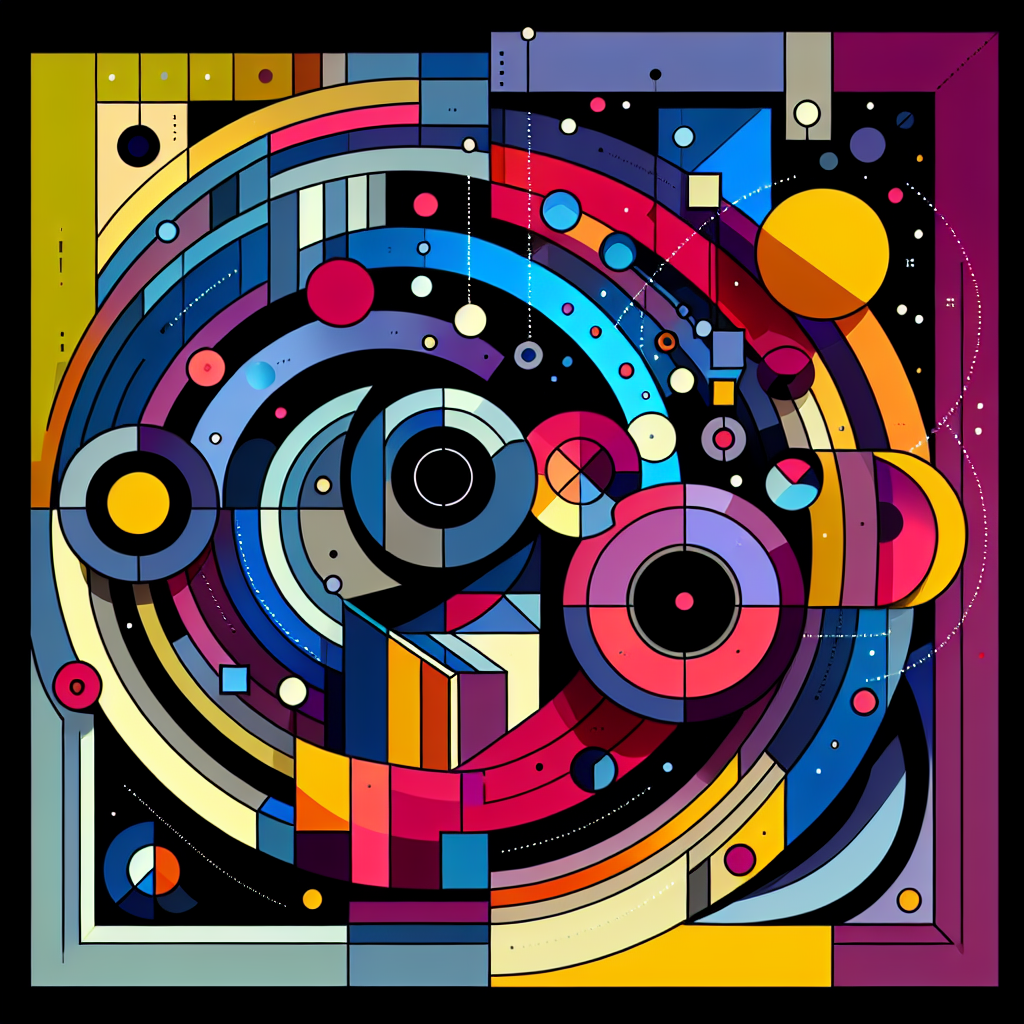

The Circle & the Square: A Tale of Two Shapes
Imagine a world where circles and squares are locked in an eternal dance, each trying to outshine the other. This whimsical scenario isn't too far from the truth when we consider the ongoing debate between traditional and progressive values in society. The circle, with its smooth, continuous line, represents the fluidity and adaptability of progressive ideals. Meanwhile, the square, with its defined edges and corners, symbolizes the stability and structure of traditional values. This metaphorical dance has been playing out for centuries, but it has become particularly pronounced in recent years, especially in the United States, where political and cultural divisions have intensified.
The circle, much like progressive values, is all about inclusivity and change. It embraces the idea that society should evolve to meet the needs of its people, adapting to new information and perspectives. This viewpoint is often associated with younger generations, like Gen Z, who are more likely to support issues such as climate change action, LGBTQ+ rights, and racial equality. They see the world as interconnected and believe that solutions should be holistic and forward-thinking.
On the other hand, the square represents the traditional values that many people hold dear. These values emphasize stability, order, and a respect for the past. Those who align with this perspective often prioritize family, religion, and national identity. They argue that these values provide a necessary foundation for society and that change should be approached cautiously. This viewpoint is often associated with older generations, who may feel that rapid change threatens the social fabric.
The tension between these two perspectives is evident in many aspects of modern life. For example, debates over education often pit progressive calls for inclusive curricula against traditional desires to maintain established standards. Similarly, discussions about healthcare can become battlegrounds between those advocating for universal coverage and those who fear government overreach.
It's important to recognize that both the circle and the square have valid points. Progressives are right to push for a more inclusive and equitable society, while traditionalists are correct in valuing stability and continuity. The challenge lies in finding a balance that respects both perspectives. This requires empathy and a willingness to listen to one another, even when we disagree.
In recent years, social media has amplified the divide between these two viewpoints. Platforms like Twitter and Facebook often encourage echo chambers, where people are exposed only to ideas that reinforce their existing beliefs. This can make it difficult to understand and appreciate the other side's perspective. However, it also presents an opportunity for dialogue and understanding if used thoughtfully.
The circle and the square may seem like opposites, but they are both essential to the fabric of society. Just as a circle can fit inside a square, and a square can be inscribed within a circle, there is room for both progressive and traditional values in our world. By acknowledging the strengths and weaknesses of each perspective, we can work towards a more harmonious and inclusive society.
Ultimately, the dance between the circle and the square is a reminder that diversity of thought is a strength, not a weakness. It challenges us to think critically about our own beliefs and to engage with others in meaningful ways. By doing so, we can create a world that is both dynamic and grounded, where everyone has a place at the table.