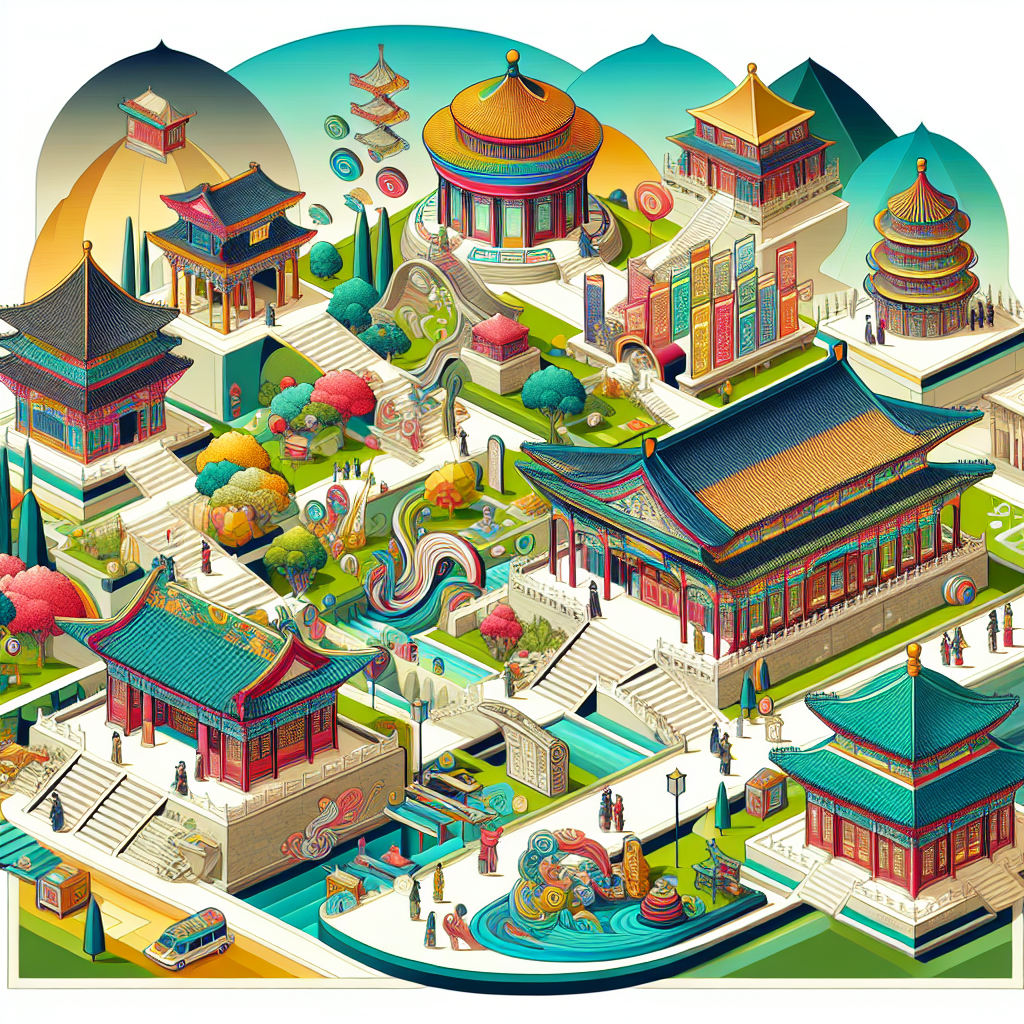

The Ancient Chinese Institution of Taixue: A Glimpse into the Past
Imagine a time when education was a privilege reserved for the elite, and the pursuit of knowledge was a revered path to power and influence. This was the world of Taixue, the highest educational institution in ancient China. Established during the Han Dynasty around 124 BCE, Taixue was located in the capital city of Chang'an, which is present-day Xi'an. It served as a prestigious school for the sons of the nobility and high-ranking officials, providing them with the education necessary to govern and lead. The institution was a cornerstone of the Confucian education system, emphasizing moral integrity, governance, and classical studies.
Taixue was not just a school; it was a symbol of the state's commitment to Confucian ideals. The curriculum was heavily based on Confucian classics, which were considered essential for anyone aspiring to hold a government position. The students, often from privileged backgrounds, were groomed to become future leaders. This focus on Confucianism was not without controversy, as it sidelined other schools of thought, such as Legalism and Daoism, which also had significant followings in ancient China. Critics argued that this narrow focus limited intellectual diversity and stifled innovation.
The establishment of Taixue was a strategic move by the Han Dynasty to consolidate power and ensure that future leaders were aligned with Confucian values. By educating the elite in Confucian principles, the state could maintain a stable and harmonious society. However, this approach also reinforced social hierarchies, as access to Taixue was limited to those with connections and wealth. This exclusivity meant that many talented individuals from lower social classes were denied the opportunity to contribute to governance and society.
Despite its elitist nature, Taixue played a crucial role in shaping Chinese society and governance. The emphasis on Confucianism helped to create a bureaucratic system that valued merit and moral integrity. This system, known as the civil service examination, eventually opened up opportunities for individuals from diverse backgrounds to enter government service. The legacy of Taixue can be seen in the modern Chinese education system, which still values Confucian principles such as respect for authority, the importance of education, and the pursuit of moral excellence.
While Taixue was a product of its time, its influence extends beyond ancient China. The institution's focus on moral education and governance has parallels in modern educational systems worldwide. Many countries today emphasize the importance of civic education and the development of ethical leaders. However, the challenge remains to balance this with the need for inclusivity and diversity in education. The story of Taixue serves as a reminder of the importance of providing equal educational opportunities for all, regardless of social status.
In today's world, where education is increasingly seen as a right rather than a privilege, the lessons from Taixue are more relevant than ever. As we strive to create more equitable and inclusive educational systems, we must remember the importance of nurturing moral and ethical leaders. At the same time, we must ensure that education is accessible to all, allowing diverse voices and perspectives to shape our societies. The ancient institution of Taixue offers valuable insights into the power of education to transform individuals and societies, but it also highlights the need for continuous reflection and adaptation to meet the needs of a changing world.