
Imagine stepping into a time machine and landing in a world that shapes the very fabric of modern Asian history. That's what exploring Taihoku Prefecture is like. Created from 1895 to 1945 during Japanese colonial rule, this region, located in what is now Taiwan, played a pivotal role in East Asia's socio-political shifts. It was a hub of cultural exchange, economic development, and sometimes, contentious political dynamics. This prefecture was a melting pot, where Japanese rule imposed significant changes while clashing and integrating with local Taiwanese traditions. The Japanese government saw Taihoku as a strategic location, a place to expand their empire's influence, both culturally and economically. They embarked on ambitious urban-planning projects, building roads, schools, and administrative infrastructures that forever altered the landscape.
Understanding Taihoku's past helps frame the current conversation around colonialism and imperialism. Skeptics argue that colonial powers were solely motivated by exploitation, but supporters tend to highlight the infrastructure and modern institutions established during this time. It’s crucial to weigh both sides to form a holistic perspective. Skeptics can't ignore the cultural suppression and economic exploitation faced by the locals. Stories of erasing local history, the forced assimilation into Japanese culture, and economic control are testimonies that scream for a closer look. However, there is also evidence of increased literacy, improved infrastructure, and industrial growth that supporters believe helped modernize the region. These arguments are like two sides of a coin, each revealing a piece of truth. It's not about justifying the past, but understanding its effects on present and future narratives.
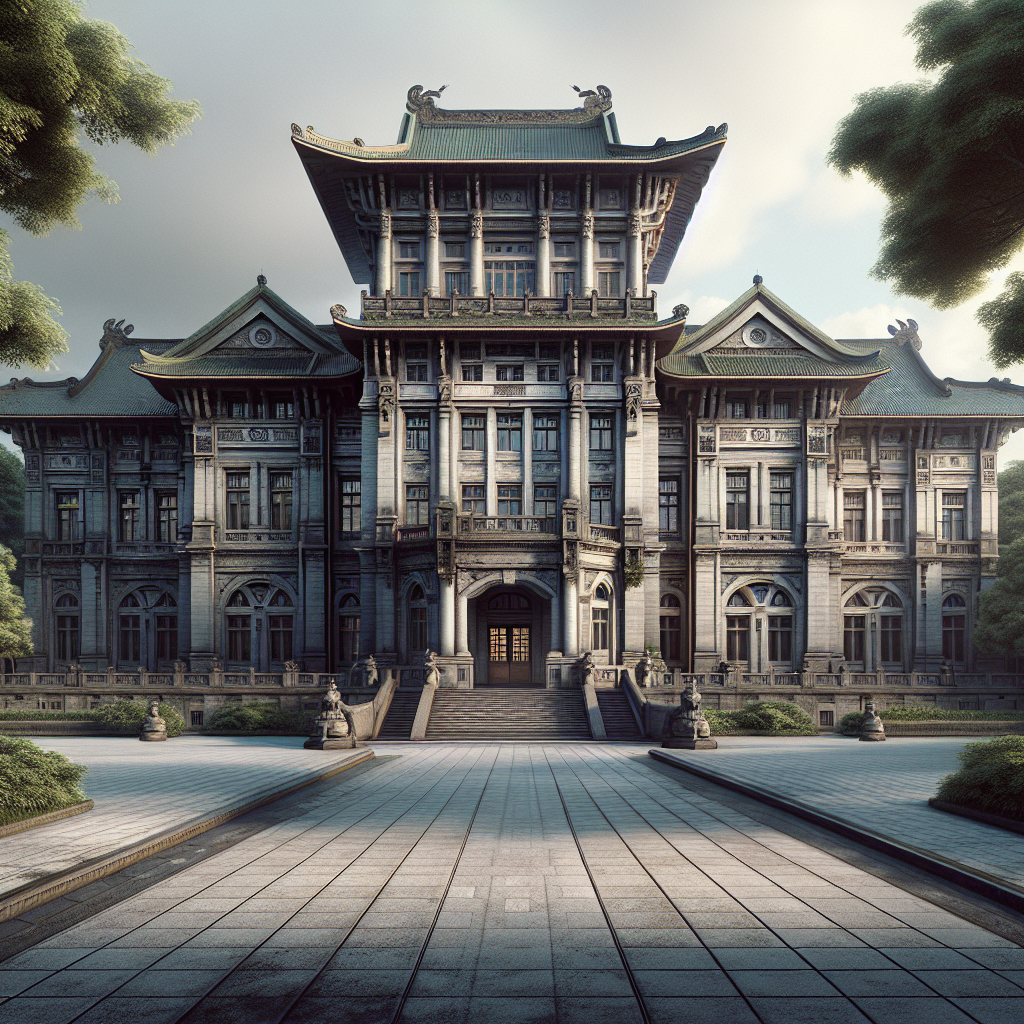
The architecture from this era tells its own story. Walking through parts of Taipei, one can see remnants of that time. The grand government buildings, railway stations, and schools reflect a mix of Japanese modernism and Taiwanese elements. These structures are more than just bricks and mortar; they are a physical narration of a complicated past. Young people today are engaged in the conversation about how these legacies should be preserved and remembered. Some feel that preserving these buildings can be a way to acknowledge history, without glorifying colonialism. Others argue for their removal, viewing their presence as a painful reminder of oppression. Yet, it's this very debate that keeps history alive, urging us to learn from it.
Culture during Taihoku's era was a fusion of traditions. Traditional Taiwanese customs persisted alongside new cultural practices imported from Japan. This era saw the growth of Taiwanese literature and art, with local artists often influenced by Japanese trends. Schools taught Japanese, and while this led to a certain level of cultural homogenization, it also resulted in a generation of bilingual individuals who could navigate multiple cultural landscapes. This complexity in cultural exchange is something that resonates with many young people today, who often find themselves straddling multiple cultures and identities.
Equally contentious is the discussion about economic development during the Taihoku Prefecture era. The introduction of modern agricultural techniques and industries set the stage for Taiwan's rapid post-war economic growth. Critics, though, point to the exploitative labor practices and emphasize that the majority of the benefits went to Japan, not the local Taiwanese populace. This raises questions about who truly benefited from the colonial period and how those economic shifts have trickled down to present-day Taiwan.
Taihoku Prefecture's history is a reminder of the complex nature of colonialism and its long-lasting impact. Coming to grips with this past is particularly relevant for Gen Z, a generation deeply engaged in global conversations about power, justice, and identity. Understanding Taihoku is not just about uncovering the past, but also about challenging ourselves to think critically about evidence, narratives, and memory. It’s about questioning the monuments we preserve and the stories we choose to tell. It’s about finding where we stand in this web of history, and how we shape future narratives in a world where histories, both painful and prosperous, are always interconnected.