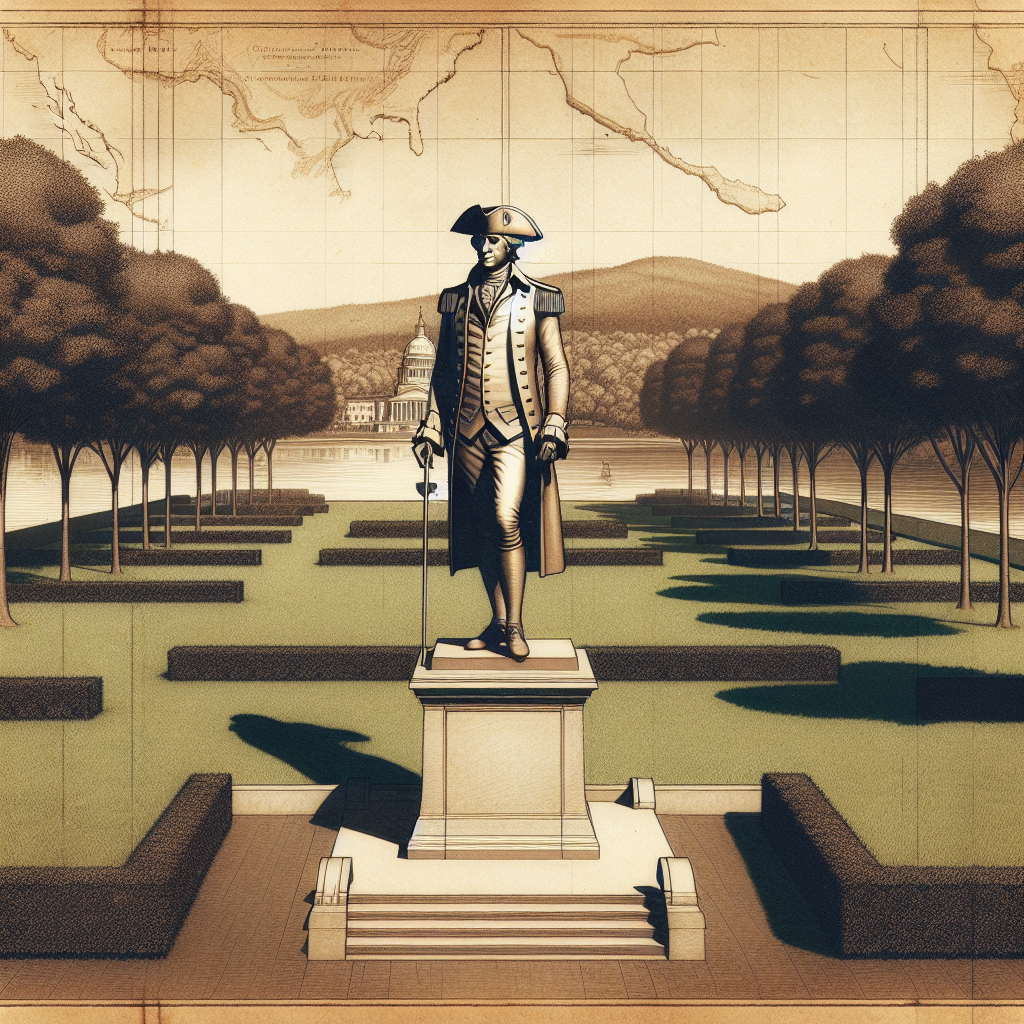

Few landmarks stand as intriguingly in Central Park as the towering bronze figure of Alexander Hamilton. It's not just a statue; it's a story captured in metal. Created by sculptor Carl Conrads and unveiled in 1880, it’s one of many nods to Hamilton scattered across New York City. Located near East 83rd Street, this 13-foot figure pays homage to a man whose influence on American politics and finance is hard to overstate.
Hamilton’s achievements are plentiful, but his journey wasn’t without conflict. Born in the West Indies and rising to greatness as one of America’s Founding Fathers, Hamilton was instrumental in shaping the financial systems we recognize today. He was the first Secretary of the Treasury and laid the foundation for the U.S. banking system. However, not everyone sees Hamilton through rose-colored glasses. His centralizing vision often clashed with the more decentralized ideals of figures like Thomas Jefferson. This chess-like political rivalry offers an insight into the ideological divides that persist even today.
As you stand before the statue, looking into the shadowed eyes that seem to pierce through time, it’s hard not to think about what this figure represents today. The statue is more than just metal; it’s a focal point for pondering the values embedded in the American economy and governance. As society navigates the turbulent waters of income disparity and debates about federal versus state power, Hamilton’s legacy within the folds of these issues makes this statue a contemporary symbol.
The choice of location is clever. Nestled in Central Park, it’s surrounded by the dynamic bustle and diversity of New York, the city that Hamilton called home. It was here he founded the Bank of New York and laid the groundwork for modern credit systems. This setting provides a real-life backdrop, merging past achievements and present-day challenges in ways that feel both immediate and profound.
As we piece together Hamilton’s history, we might come across another layer—the complex personality that matched the complexities of the emerging nation he helped to shape. Often overshadowed by the dramatic infamy of his death in a duel with Aaron Burr, Hamilton’s life was marked by controversy and innovation. He advocated for a strong central government, something that raised eyebrows and opposition in a young America keen on its newfound independence.
His rivalry with Jefferson reflects a broader debate still alive today. The argument between a strong federal government and states empowered to choose their paths is ongoing. While some might argue Hamilton’s vision limits personal freedom, others contend it builds the scaffolding needed for collective progress. You can trace this tug-of-war through policies and decisions over the centuries, making his presence in Central Park a reminder of perpetual discord and determination.
The public’s views on Hamilton are not monolithic. Some consider him a hero who paved the road to prosperity and modern governance. Others see him as a figure with flaws that need addressing, especially his complicated views on slavery and other social issues. Statues invite reflection, and maybe re-evaluation, blending history and modern sensibility. When standing in the park, Hamilton’s engraved gaze reminds us of the continuum of progress and imperfection.
The artist, Carl Conrads, didn’t just create a figure; he captured a narrative. The posture of the statue—Hamilton leaning slightly forward, with a subtly commanding presence—suggests action and ambition. It speaks of political might, driven by an unyielding spirit that dreamt of organized systems and federal might. This bronze figure remains a conversation starter, weaving curiosity about the man behind America’s early complexities.
For Gen Zers and beyond, visiting the statue can be an illuminating experience. Not just because it triggers awe against the park's lush landscape, but because it beckons questions about where we go from here. Today’s movements for economic equity and social justice resonate with issues Hamilton grappled. Exploring those roots, even informally at a park statue, encourages deeper thinking about taking action in a world needing visionary approaches.
In our search for progress and equity, Hamilton’s figure suggests accountability to history while urging action in the present. Park-goers, tourists, scholars, and locals all swirl around this statue, each bringing their own interpretations of history to life. As generations edge towards change, Hamilton stands frozen in time, whispering both lessons and questions from his tall perch.
So, next time you’re near East 83rd Street, try spending a moment with Alexander Hamilton. Gaze up at the sculpture against the city’s ceaseless rhythm, and consider how his efforts continue to shape today’s dialogues. His ambition, missteps, and triumphs remain heartfelt signatures in America’s story. And whether one agrees with him or not, Hamilton remains an emblem of potent discourse—one cast forever in bronze.