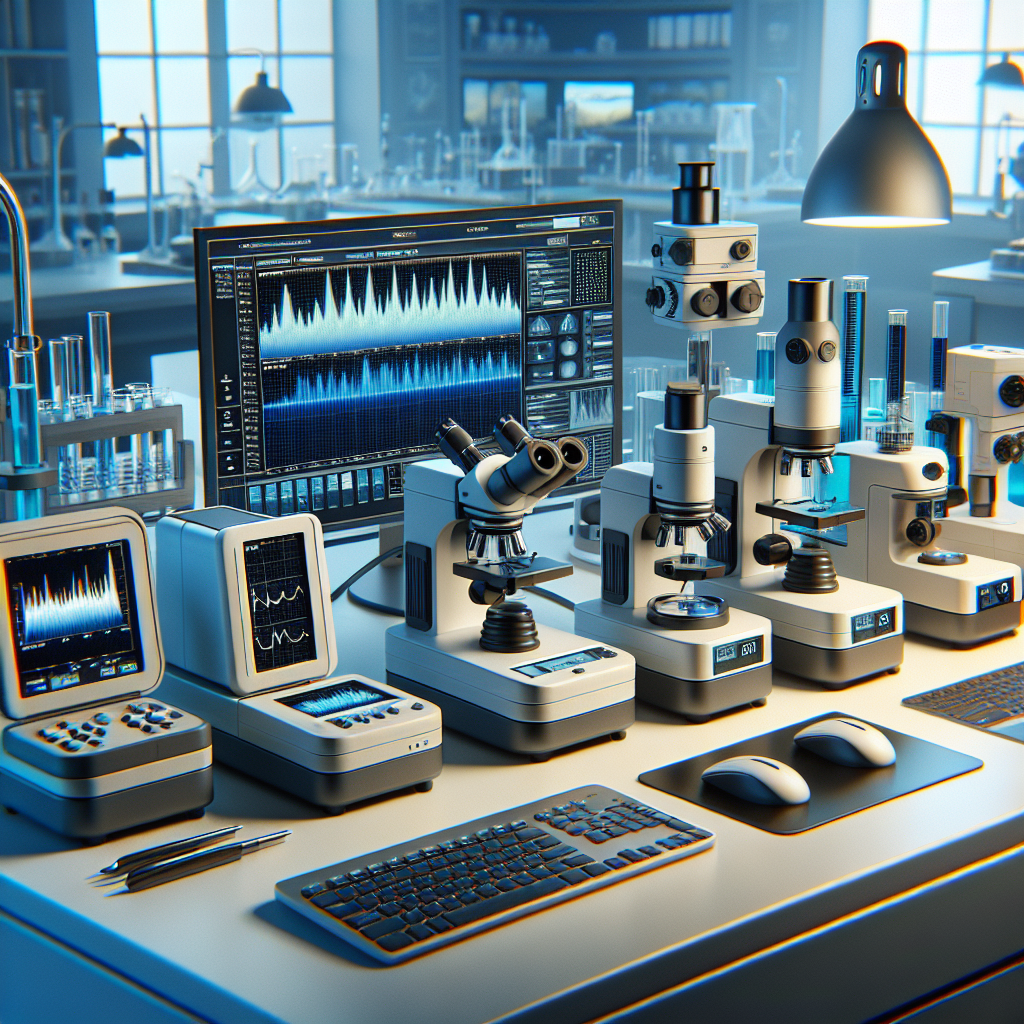

The Spectacular World of Spectrometers
Imagine a device that can reveal the secrets of the universe, from the composition of distant stars to the chemical makeup of your morning coffee. That's the magic of a spectrometer. A spectrometer is a scientific instrument used to measure properties of light over a specific portion of the electromagnetic spectrum. It was first developed in the 19th century, with significant advancements made by scientists like Joseph von Fraunhofer. Today, spectrometers are used in various fields, from astronomy to chemistry, and can be found in laboratories and research facilities worldwide. They help scientists understand the composition, structure, and physical properties of matter by analyzing the light emitted, absorbed, or scattered by materials.
Spectrometers work by dispersing light into its component wavelengths, much like a prism does. This dispersion allows scientists to analyze the spectrum of light and identify the unique "fingerprints" of different elements and compounds. For instance, in astronomy, spectrometers are used to determine the composition of stars and galaxies by analyzing the light they emit. This information can reveal a star's temperature, age, and even its movement through space. In chemistry, spectrometers help identify unknown substances and analyze the concentration of various compounds in a sample.
The use of spectrometers extends beyond the scientific community. In the medical field, they are used in diagnostic tools like MRI machines and in the development of new pharmaceuticals. Environmental scientists use spectrometers to monitor air and water quality, detecting pollutants and ensuring compliance with safety standards. Even in the food industry, spectrometers play a role in quality control, ensuring that products meet safety and nutritional standards.
Despite their widespread use and importance, spectrometers are not without their challenges. They can be expensive and require specialized knowledge to operate and interpret the data they produce. Additionally, the accuracy of a spectrometer can be affected by various factors, such as the quality of the instrument and the conditions under which it is used. This means that scientists must be meticulous in their work to ensure reliable results.
Some people might argue that the cost and complexity of spectrometers make them impractical for widespread use. They may suggest that simpler, more cost-effective methods should be prioritized, especially in fields with limited funding. However, the benefits of spectrometers often outweigh these concerns. The detailed information they provide is invaluable for advancing scientific knowledge and addressing real-world problems.
As technology continues to advance, spectrometers are becoming more accessible and user-friendly. Portable spectrometers are now available, allowing for on-site analysis in various settings, from field research to industrial applications. This increased accessibility is helping to democratize the use of spectrometers, making them a valuable tool for a wider range of users.
The future of spectrometry is bright, with ongoing research and development leading to new innovations and applications. As we continue to explore the universe and seek solutions to global challenges, spectrometers will undoubtedly play a crucial role in our quest for knowledge and understanding. Whether it's unlocking the mysteries of the cosmos or ensuring the safety of our food and environment, spectrometers are an essential part of our scientific toolkit.