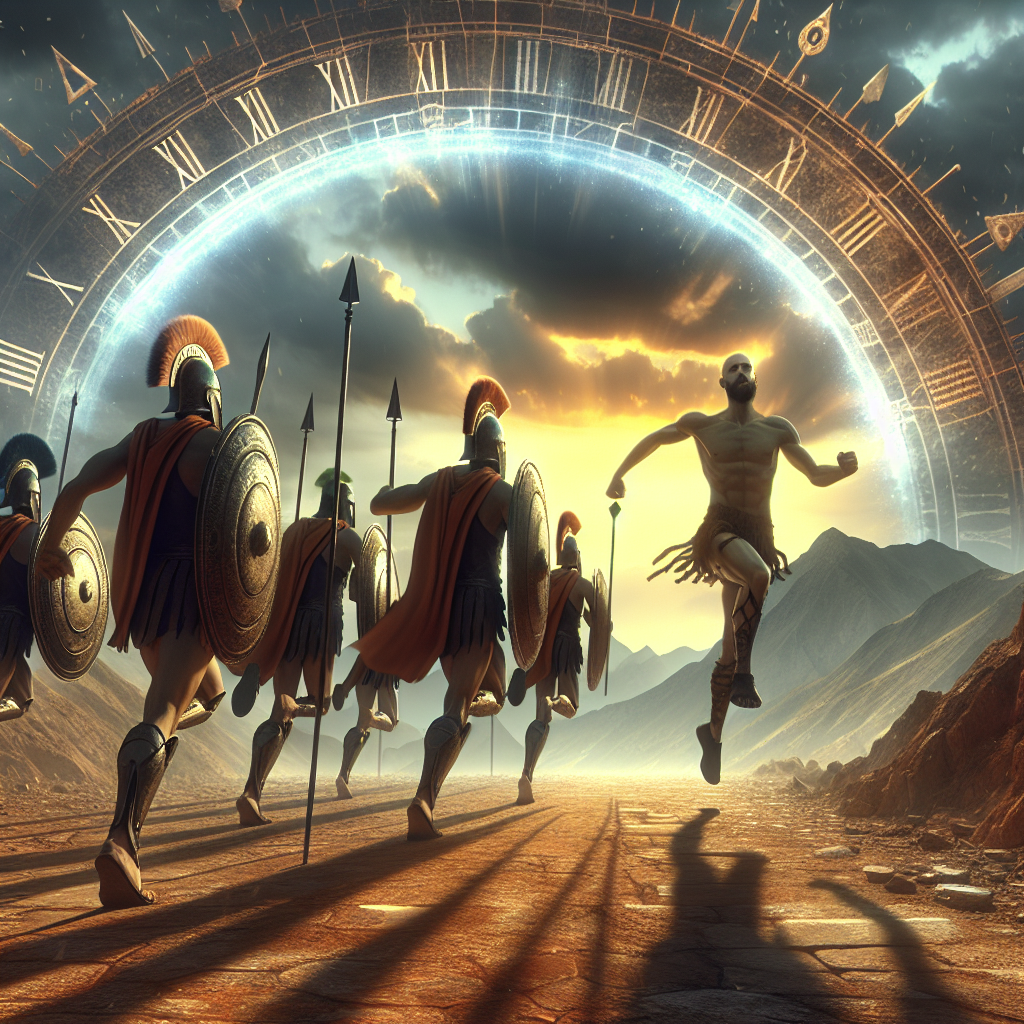

The Spartathlon isn't just a race; it's a time-traveling adventure that turns modern athletes into ancient Greek heroes for a day. This legendary ultramarathon reinvents itself every September in Greece, retracing a route of 246 kilometers from Athens to Sparta. Initially organized in 1983 to verify the incredible journey of Pheidippides, a messenger believed to have run this distance in 490 BCE before the battle of Marathon, this race has grown into a global event mixing history and extreme endurance.
Picture it: hundreds of runners from all corners of the world line up at the base of the Acropolis. As dawn begins to break, they embark on a journey winding through both iconic landmarks and rugged terrains, blending cultural immersion with athletic tenacity. What draws them to this Herculean challenge isn't just the physical test, but the allure of connecting with a past that feels both foreign and innately human.
On the surface, ultramarathons are an athletic feat that garners admiration for stamina and grit, but beneath the layers of the Spartathlon, there's a complex narrative binding tradition, modernity, and personal grit. The historical significance adds emotional depth that transcends the traditional race experience, making participants feel like they are part of something timeless.
While the charm of the past is captivating, the gleaming future also plays its role. Technological advancements aid athletes in training vastly differently from Pheidippides' era. Despite this, the raw human spirit tested over this demanding course against elements of natural obstacles reminds us of our innate resilience. The juxtaposition of ancient and contemporary themes evokes a sense of unity across generations, inspiring many who don't even run to appreciate dialogue between technology and tradition.
Discussing Spartathlon, one can't overlook the physiological paradox challenging these runners. Ultramarathons introduce not just physical exhaustion but mental battles harder to fathom. From struggling with fatigue hallucinations to pushing through the body’s impulse to stop, participants face battles largely unseen in other races. This mental and physical warfare attracts a particular breed of modern gladiators drawn to test the boundaries of human capability.
For critics, there's a debate surrounding physical bodily harm caused by long-distance racing. Concerns about the strain on joints, potential for dehydration, or long-term impact on heart health are frequently cited. However, proponents argue that with proper training and attention to health, these risks can be managed. The endurance community believes that fear of injury should not deter someone from pursuing personal objectives. Instead, it might be an opportunity to understand one's limits and potentially transform weaknesses into strengths.
Another perspective on the Spartathlon comes through the lens of inclusivity and diversity. Although traditionally dominated by a narrow demographic, there's an ever-present push toward broader participation, reflecting broader societal movements to celebrate diversity. With runners from countries with different socio-economic backgrounds, and an increasing presence of female athletes, the race serves as a vessel for broader cultural dialogues around equality and access.
Nonetheless, the environmental cost of organizing such races is another aspect to consider. With their popularity growing, the ecological footprint left behind has sparked dialogue over sustainable practices in sporting events. The runners leave paths and rest stops, and these environments see temporary disruption. While the race organizers strive to minimize impact and engage in environmental restoration, conversations continue around what's being done and what more can be achieved.
Spartathlon echoes an alternate reality where cultural heritage and athletic prowess merge, sparking introspection on both an individual and systemic level. It isn't just about reaching the finish line but the transformation along the road. Generations Z puts its emphasis on experiences over material possessions, making the multi-layered journey of Spartathlon highly appealing. Connecting with history, challenging the limits, and feeling part of a global tapestry resonate with those searching for meaning in our increasingly digital and isolated worlds.
Whether standing on the sidelines or running in step, everyone involved in the Spartathlon shares in the legacy Pheidippides left behind. It is a reminder of how deeply stories of human endeavor weave through time, encouraging us to question and reinvent our belonging in the narrative. It speaks to those dreaming of uncovering what it means to both challenge the self and celebrate the shared human experience.
In amidst personal trials and environmental concerns, somewhere beneath the clouds over Mount Parthenon or alongside the olive groves leading into Sparta, lies the timeless pursuit of excellence. Embracing both change and tradition, Spartathlon holds steadfast as a unique convergence of myth, history, and the limitless spirit of human endurance.