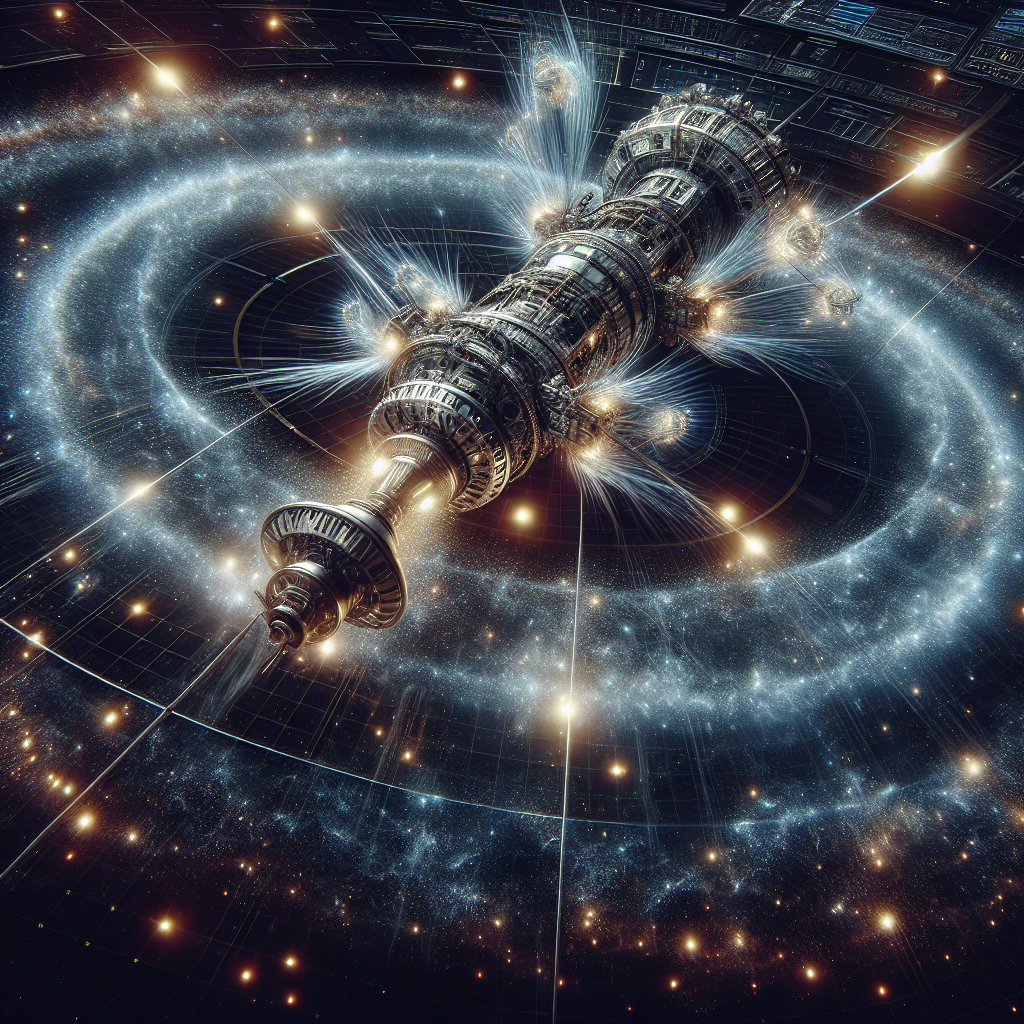

Imagine a superhero speeding through the universe, not on fiery rockets but on invisible beams of energy. Electric propulsion for spacecraft is that superhero saga brought to life. This cutting-edge technology has captivated minds in the space industry, promising the ability to travel vast cosmic distances using less fuel than ever before. It's been in the works for some decades, but only in recent years has it started to make a noticeable impact.
So what exactly is electric propulsion? It's a propulsion method that utilizes electric power to accelerate charged particles, which in turn propels the spacecraft. Unlike conventional rockets, which burn chemical fuel to produce thrust, electric propulsion systems demand much less propellant to generate momentum. This makes them efficient and effective, especially for long-term missions. Although electric propulsion systems generate less thrust compared to traditional chemical rockets, they can accelerate spacecraft to higher speeds over time.
The use of electric propulsion isn't exactly new. The concept has been tested and used since the 1960s. The Soviet Union was actually the first to operate an electric thruster in space. However, the technology didn’t receive the attention it deserved until much later, mostly due to the mind-blowing potential it holds in making long-duration space missions viable and cost-effective. Companies and agencies worldwide, like NASA and SpaceX, have been heavily investing and experimenting with electric propulsion systems.
A significant advantage of electric propulsion is its efficiency—yes, the same efficiency everyone drools over when discussing renewable energy on Earth. Electric propulsion uses far less fuel to achieve the same results, translating into less mass to launch, which lowers costs significantly. Picture this: launching a traditional mission to Mars requires thousands of tons of fuel on Earth, but with electric propulsion, the requirement shrinks dramatically, making the feat more achievable and less damaging to our home planet's environment.
Critics, however, have plenty to say about electric propulsion. One of the main arguments against it is its relatively low thrust output, complicating launches from the Earth’s surface. This means it’s currently more suited for maneuvers and missions already in space. Also, insisting on developing this technology could slow down some immediate projects that rely on chemical rockets. There’s merit in this viewpoint; maintaining a balance between exploiting current technologies and developing new ones is paramount. Yet with the dire need to optimize space travel and reduce its environmental footprint, focusing on electric propulsion remains an imperative gamble worth taking.
The introduction of electric propulsion is beginning to revolutionize space travel, but the technology itself still faces many hurdles. Scaling the technology to accommodate larger payloads and developing systems capable of handling the power electric thrusters require are just some of the challenges engineers face. Furthermore, sourcing the necessary electricity—typically, it is generated using solar panels or nuclear power—presents its own unique set of logistics that must be ironed out for this technology to reach its full potential.
Often, advancements in technology arouse fear and suspicion, and space technology is no exception. There’s always a segment that resists change. Detractors argue that we should focus more on solving issues on Earth rather than pursuing elaborate space missions. While this argument holds weight, it's also essential to realize that these missions have a habit of pushing scientific boundaries on all fronts, leading to innovations that improve life on Earth indirectly. GPS, modern weather forecasting, and satellite television are just a few examples of the beneficial spin-offs from past space endeavors.
The environmental implications of electric propulsion need to be highlighted, as well. Traditional rocket launches rely on chemical propellants that release a variety of pollutants into the atmosphere. Electric propulsion, on the other hand, significantly reduces the waste produced. Despite its own set of drawbacks, this method undeniably supports a future where space travel could become more sustainable. As conversations around global warming grow, considering eco-friendly space exploration options has never been more vital.
Influencing industries everywhere, electric propulsion isn't sticking just to aerospace firms. Start-ups and technology companies have seen the potential in this sector, investing heavily in the research and development of related systems. This not only spurs innovation but ignites the imaginations of young inventors eager to make a mark in the burgeoning space economy.
If electric propulsion can meet its soaring expectations, it will open doors to a future where humanity easily traverses the solar system and beyond. It’s a thrilling prospect, and one that may redefine our understanding of human potential both here on Earth and in the vast unknown stretches of space. The journey is long and the challenges many, but the dream of a low-cost, efficient, and environmentally responsible method of traveling through space is finally coming into view. Regardless of differing opinions, electric propulsion is a spark of hope in our relentless quest to explore, discover, and perhaps even inhabit new worlds.