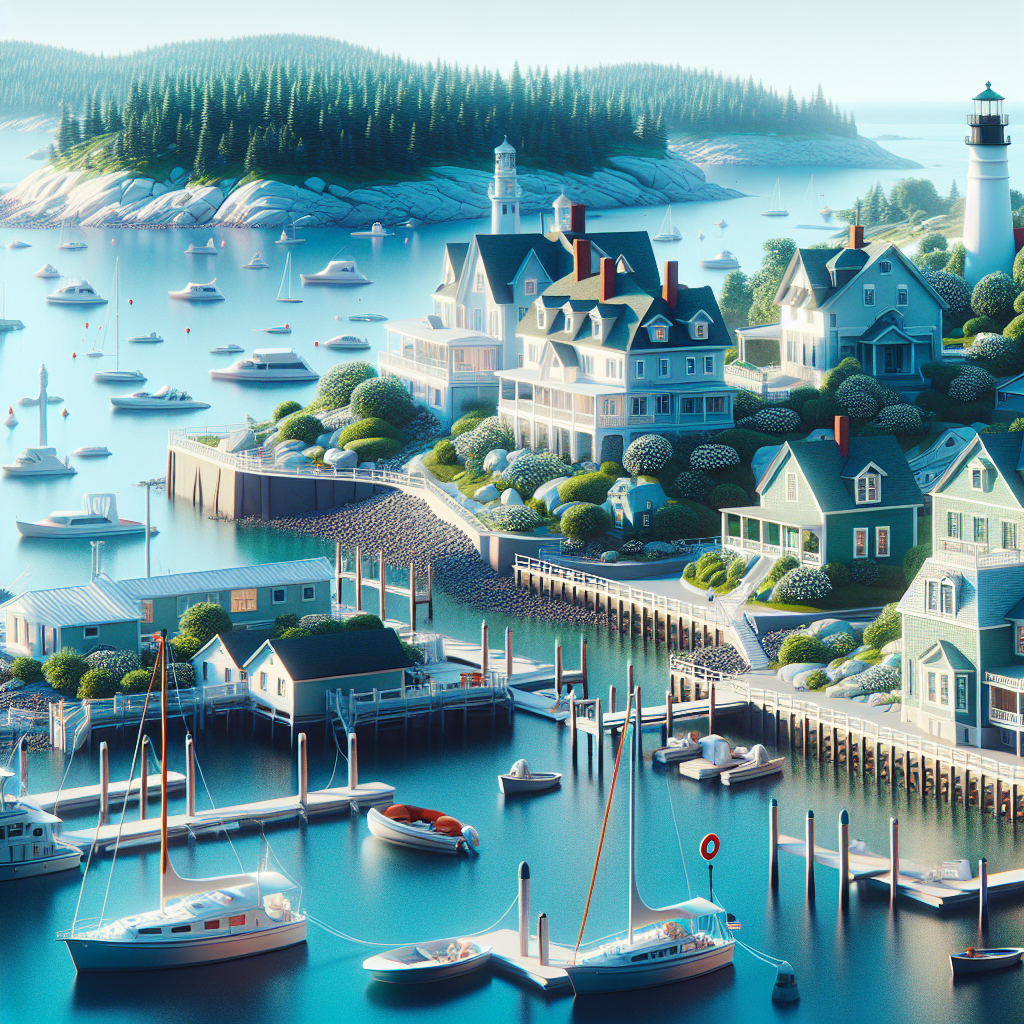

Imagine a place where the hustle and bustle of modern life melt away like snow in April. Southport, Maine, a tiny island town located off Maine's coast, embodies this oasis of peace. Picture this: a charming settlement where the human and natural worlds coexist beautifully. Established in 1842, Southport occupies an idyllic position that speaks to both history buffs and nature lovers. Visitors and residents experience a unique sense of timelessness, with fewer than 600 full-time inhabitants and an unspoiled landscape that hints at its maritime roots. The why is clear enough—there's magic on every rocky shore.
Exploring Southport feels like stepping into another era where the natural and human worlds intertwine seamlessly. The modest population and the area's preserved splendor make engaging stories of fishermen, sailors, and native tribes come alive. The scenic wonder of Hendricks Head Lighthouse often acts as the postcard for this quiet community. It's as if Southport took a silent vow to let 21st-century chaos keep its distance. However, the tranquility that draws the masses is also its challenge in adapting to changing times. Finding ways to maintain local involvement while accommodating a new wave of curiosity seekers is a balancing act, one not unfamiliar to small towns around the globe.
These issues become fascinating when viewed through a progressive, inclusive lens. Ensuring economic growth doesn't mean sacrificing local culture or the environment. Tourism offers economic benefits with a slight carbon footprint, which aligns with green values. Engaging in eco-friendly projects like solar panel initiatives or local craft shops run by residents showcases a commitment to advancing without losing authenticity. However, opinions on progress and development vary widely. Some residents cherish the silence, fearing that tourism might trade tranquility for commercialization. These opposing viewpoints highlight the careful conversation necessary to maintain a sustainable community.
You might ask, "What’s it like to actually spend time in Southport?" It’s a calming experience, like a digital detox you never knew you needed. The air isn’t just cleaner; it’s fresher. Contentment feels omnipresent, as if the ocean’s rhythm recalibrates your internal compass. Local gatherings, from farmer's markets to community picnics, allow you to indulge in homegrown flavors and connect with hearts that beat through shared stories and laughter. An example is the Southport Kitchen Garden, known for its organic produce. Ecosystems are not mere geographical or biological constructs; here, they are lived experiences.
Yet, visiting Southport isn’t just about unwinding. It's an opportunity to contribute to the sustainability of a struggling local economy. Initiatives abound encouraging visitors to “leave no trace,” ensuring the coast remains pristine. By spending locally, visitors can support small businesses who are ambassadors of history and stewards of fragile ecosystems. It's not about aggressive marketing pitches but quiet, unglamorous, mutually beneficial exchanges. Every purchase creates a ripple effect, helping a lobster fisherman keep his lights on or allowing an artisan to continue crafting handheld art pieces.
The community understands that change is inevitable, which isn’t apocalyptic, but rather a narrative to engage with deliberately. Digital natives might find the slow pace refreshingly unplugged, while some locals use these same online tools to share Southport’s stories and challenges. Engaging both residents and tourists in a meaningful dialogue encourages a collaborative effort to preserve Southport’s essence for future generations. Social media might seem at odds with such serene landscapes, but it's essential in drawing respectful visitors who share these values, acting as digital word-of-mouth.
For Gen Z readers, Southport offers a pause button in a world that often demands acceleration. Weaving environmental responsibility into the local economy ensures that traditions are honored while practical needs are met. Economic resilience without cultural neglect promises sustainability that respects our fragility. Viewed through this lens, Southport is an invitation not only to explore but to become part of its ongoing story—the perfect contradiction of progress standing still.
Southport lives on the edge of a spectrum, where development whispers rather than shouts. For those who hear its call, it promises a unique understanding of how communities can thrive amidst challenges. Every falling leaf on Hendricks Head bears backstories shared at decades-old diners. We find ourselves back on the same journey after meandering paths of understanding, fulfillment, and, ultimately, belonging.