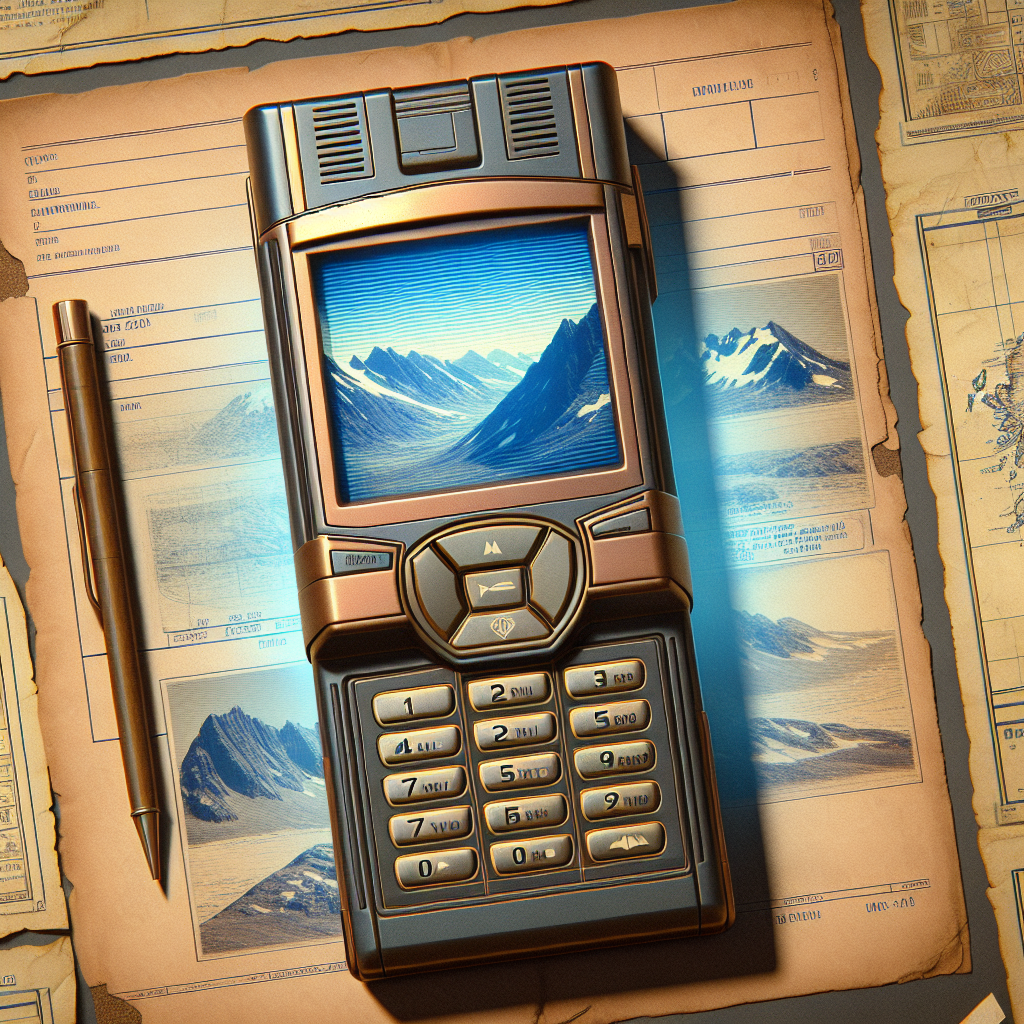

Once upon a not-so-distant past, in 2006, the world got a glimpse of a mobile phone that shimmered like a lovely artifact from the future or perhaps the past, conjuring excitement in the hearts of tech-enthusiasts everywhere—the Sony Ericsson Z610. This flip phone, known for its glossy mirror-like exterior, was designed for those who craved a mix of style and functionality. Released at a time when smartphones were still babies in the tech world, it tried to stand out in a crowd of bricks and dull rectangles with its futuristic design and suave presence. It was almost poetic with its reflective screen, urging users to not just look at it, but into it.
The Sony Ericsson Z610, a clamshell or flip-phone, offered something whimsical that today's sleek rectangles often lack. Remember flipping open a phone to answer a call? It felt cool, almost like an action movie star answering a call from HQ. Though texting was more of a finger workout with a keypad rather than a swift, fluid motion across a touchscreen, it offered its own unique set of challenges and satisfactions.
So, what made the Z610 special? It was the little things and nuances. With its 2.0-megapixel camera, it might not have been a pro at capturing moments, but it did allow a generation to capture memories worth a thousand words. The phone supported 3G networks at a time when the internet on mobile was beginning to turn significant, setting the blueprint for what was to become an essential part of our daily lives.
In terms of accessibility, the Z610 was genuinely ahead of its time. In a world that often forgets inclusivity, it strived to include functionalities that were simple and straightforward, allowing people to stay connected. Moreover, the three stunning colors—Luster Black, Rose Pink, and Airy Blue—were not just color options but statement choices that reflected personal styles.
From a design perspective, the Z610 was a bold and beautiful step. Its edge cut rounded design was eye-catching and provided a significant departure from the other devices. However, it did face criticism for its glossy surface, which was a fingerprint magnet. It was an inconvenience for some, but a small one compared to the elegance it radiated when pristine.
You might wonder, "But why bother with any of this?" Modern phones do it all. True, today's devices come with top-notch screens, cameras that challenge professional equipment, and more computational power than a room full of 90s computers. But often, the simplicity of a flip phone like the Z610 speaks of a bygone era of straightforward functionality mixed with design elegance.
Switching the roles for a moment, some might argue about the nostalgia surrounding old technology. Why go back when the present is so advanced? That’s a fair point, and technology indeed should march forward. Yet, not dismissing the charm of what was reminds us that we are allowed to enjoy tech not just for its utility but also for its beauty. The Z610 serves as a gentle reminder of this balance.
For Gen Z, who might have grown up in an era post-flip phones, there’s something magical about embracing old-school cool, which the Z610 so vividly represents. The resurgence in the interest of retro-style is evident with the occasional revival of devices, fashion, and music. It’s a longing for an alternate world where the past met the future in delightful ways.
The Z610 may not be in use today, but its influence continues. Modern designs occasionally flirt with nostalgia, and retro aesthetics often find their way back into mainstream storytelling. It’s a testament to a design and build that was not just about circuits and chips but about artistry. And that’s something that resonates across generations.
In a fast-evolving tech landscape, remembering devices like the Sony Ericsson Z610 is like revisiting vintage pieces. They might no longer function the way they used to in a practical sense, but their narrative lingers. Each device is a story, a chapter in the architectural saga of technology, waiting to be discovered, admired, or perhaps simply remembered fondly.