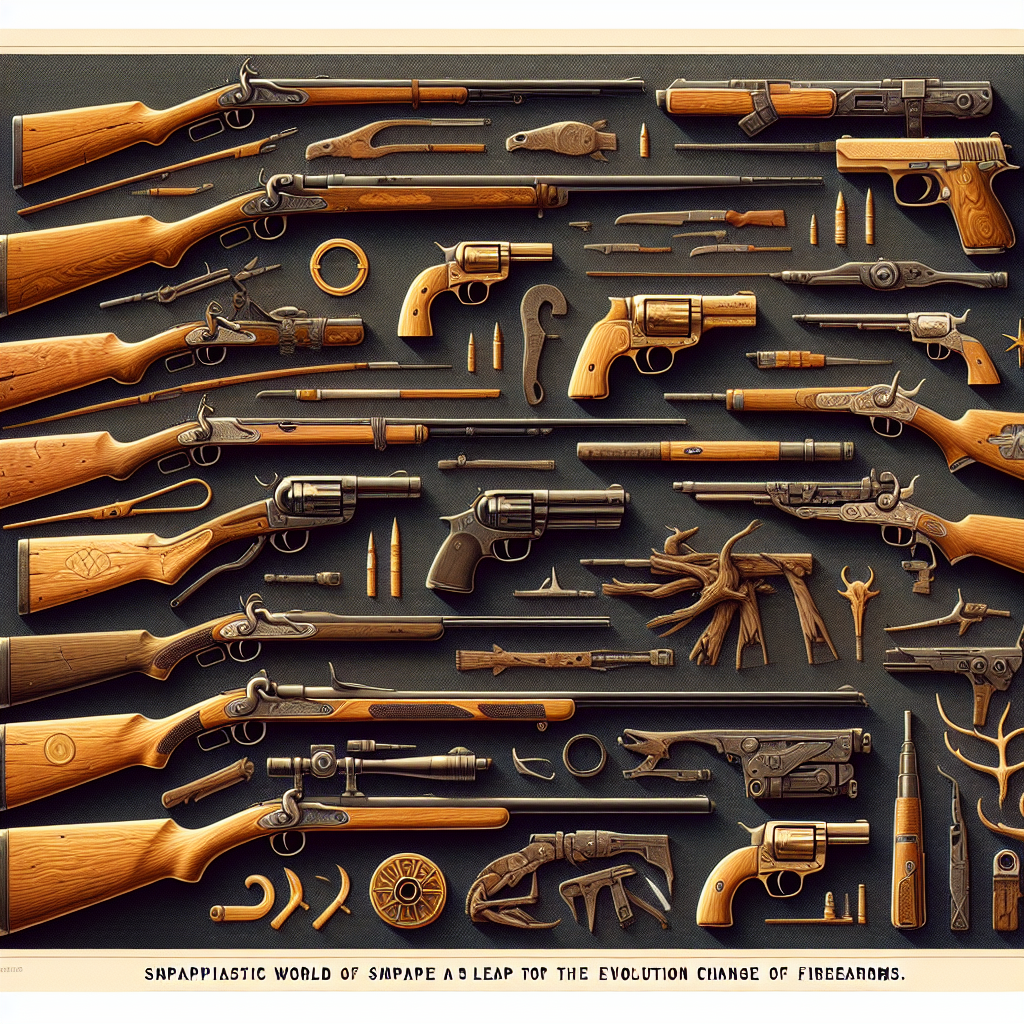

Snap goes the snaphance, a fascinating innovation from the 16th century that seems both ahead of its time yet rooted in a period of tumultuous change. The snaphance, a type of firearms ignition system, first sparkled into history in the regions of Scandinavia and Northern Europe. It emerged during a time when the battlefield's smoke and chaos demanded efficiency, accuracy, and, quite simply, the ability to shoot quickly without fuss. Among the chaos of emergent nation-states and shifting loyalties, the snaphance introduced a mechanical sophistication that addressed the period's pressing needs. People needed weapons that were reliable over the traditional matchlocks, and the snaphance provided just that.
Though it sounds like an anachronistic gizmo, the snaphance system was an elegant piece of mechanical engineering. This firearms mechanism was among the earliest flintlock designs, preceding the classical flintlock that became a cornerstone in military history. It functioned by applying a piece of flint to a spring-loaded arm—when someone pulled the trigger, the 'snap' occurred as the striking mechanism curved forward, leading to a bright flash as the flint scraped the steel, igniting the gunpowder. This translated into a friendlier, simpler weapon operation compared to its predecessors. Hence, for the warriors of the period, this meant more effective combat strategies and increased mobility on the battlefield.
But innovation doesn’t always receive a hero’s welcome. Some saw the snaphance as perilous due to their distrust of newer technologies, akin to how some today view complex algorithms or burgeoning AI technologies. Think about how newer tech—just as the snaphance did then—challenges the norms and makes some folks wistful for 'simpler times.' On the other side, progressives of the gun-slinging 16th century appreciated the ease of use and the increased visibility in misty, war-worn climates.
While exploring the creation of this firearm feature, consider the shifting political landscapes of its birth era. The world was getting closer—literally—through conflict, exploration, and trade, individuals and nations were on the hunt for advancements that offered both security and superiority. The demand for better weapons was nearly insatiable, and firearms manufacturers and inventors were akin to today's tech innovators—working under immense pressure to deliver. The snaphance represented a pivotal adaptation in firearms technology, a reactive and creative answer to a world that was modernizing or exploding, sometimes both at once.
Trace its legacy today, and it echoes loudly in discussions on technological advancement. While the snaphance is obsolete in practical terms, its spirit endures in its historical impact on improving how we interact with technology. Firearms enthusiasts and history buffs alike gather insights not only about weapons but about the human thirst for innovation and its accompanying ripple effects.
One can argue that the snaphance sits quietly now, a relic on museum shelves, yet it's symbolic of society’s struggle and success in mechanical ingenuity. It reminds us that we have always been driven to 'snap' past our limitations—flaws, in design or otherwise—and strive for improved functionality.
The curiosity around firearms technology seems to be ever-present, imagining future and fears alike. Debates on whether such mechanics promote safety or violence rage on. Advocates might point to the ways such technology allowed for better state defense and resource acquisition, vital in a time when threats loomed large. Detractors, however, may remind us of the destructive potentials that came hand-in-hand with ease of use and lethality, probing us to consider the societal cost that accompanies arms innovation.
How might a snaphance have been perceived by those living—the soldiers, the sellers, the safety-seekers—back then? Imagine being caught between admiration for this marvel of mechanics and the dread of its potential misuse. We have parallels today, think of our mixed emotions about digital privacy or climate-tech changes.
The transition from the innovative snaphance to modern conveniences places it as an intriguing landmark in human ingenuity. Digging into its context encourages us to understand the evolving narrative of invention, resistance and acceptance. Its tale is not just about weaponry, but about what humanity continually chooses to create and contend with.
So there rests the snaphance, a testament to human technology's power to disrupt even as it promises progress. It tells of a time when the world was on the verge of reimagining armaments and when each spark affirmed the relentless march of innovation against tradition.