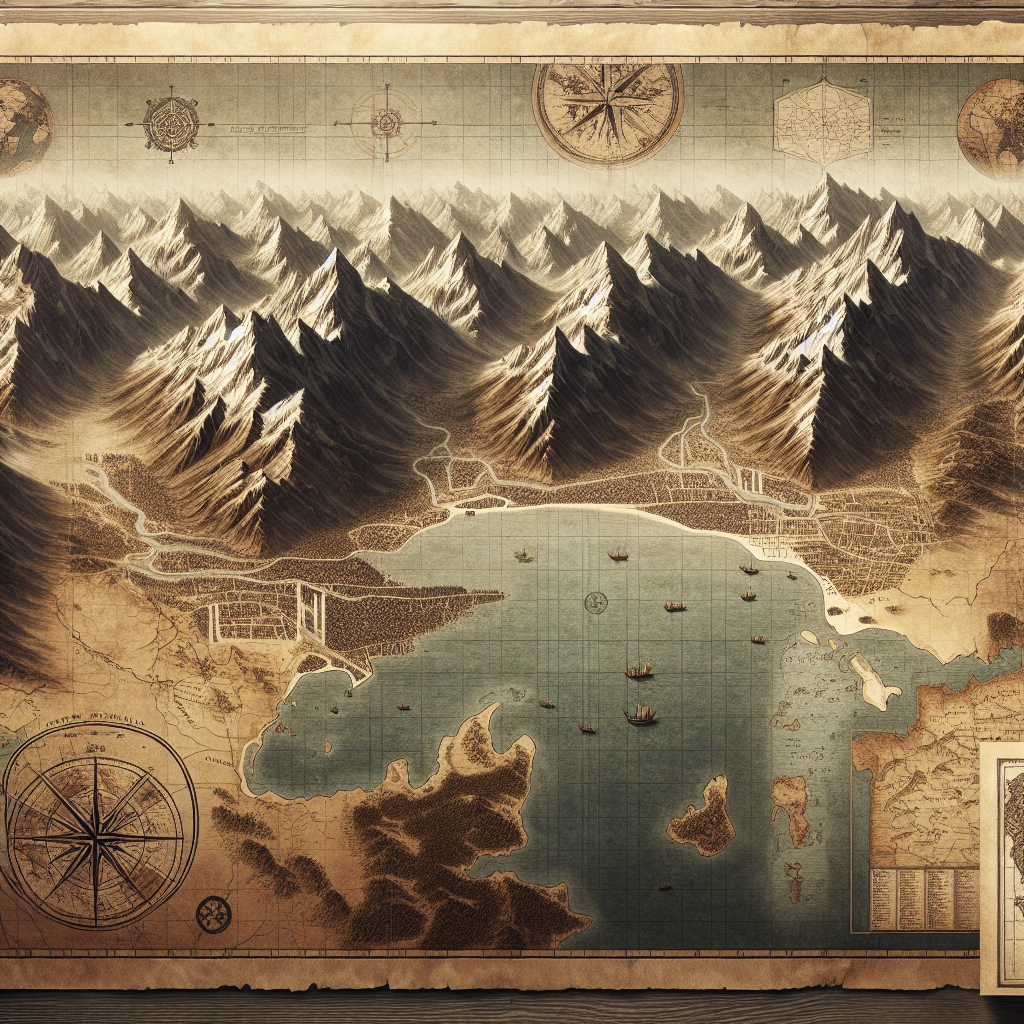

The Selçuklu Empire is a dazzling tapestry woven from the threads of history. Who were they, you ask? They were a Turkish dynasty that ruled vast swaths of Central and Western Asia between the 11th and 14th centuries. This influential empire originated in the steppes of Central Asia and, at its height, stretched from the Tigris in the east to Anatolia in the west. For many, understanding their role is crucial for grasping the complexities of modern Middle Eastern geopolitics. The Selçuklu were a force of nature in their time, igniting significant shifts in the power structures and cultural landscapes of their era.
The empire began with the remarkable rise of Selçuk Bey, who gained power through military prowess and strategic alliances. His descendants, such as Alp Arslan and Malik-Shah, further expanded the empire's territories and influence. To the casual observer, the Selçuks' rapid expansion might seem like a typical land grab, but there was so much more at play. They fostered the spread of Islam, while also bringing Persian culture back into prominence after centuries under Arab domination. Their adoption and adaptation of Persian administrative systems were particularly impactful, blending Turkic and Persian influences in a distinctive manner.
Education and architecture flourished under the Selçuks. Their architectural legacies, like the intricately designed mosques and madrasas, left a lasting imprint on Islamic architecture. The theological advancements were no less important, with the Selçuklu period witnessing the rise of philosophical Sufi orders. These were times when scholars like Al-Ghazali explored the intersections of faith and reason, profoundly shaping Islamic thought.
Of course, we can’t ignore the opposing viewpoint that sees the Selçuklu expansion as a series of conquests that disrupted existing socio-economic structures and displaced populations. There’s validity in acknowledging the disruption they may have caused to other empires and cultures. It’s not uncommon for students of history to consider these impacts negatively, citing the loss of local autonomy and the blending of cultures as destructive forces. However, such views also need to be contextualized within the wider currents of history. Empires have always been complex, multifaceted entities that can't be judged on military conquest alone.
What allowed the Selçuklu Empire to sustain itself wasn’t just conquest but also their strong administrative acumen, which managed diverse peoples and extended networks of trade. They crafted a sophisticated bureaucracy, ensuring that taxes flowed from East to West. This administration was remarkably efficient for its time, a feat considering the diverse ethnic and religious makeup of their lands. Trade flourished, in part because the Selçuks ensured safe passage across their domain, encouraging commerce that enriched their cities.
Yet, as with many empires, internal dissent and external pressures tilted the scale. A significant turning point was the onset of the First Crusade, which showed that Western Europe could no longer be ignored as a power player in the region. The Crusader losses marked the beginning of a slow decline, further aggravated by internal fragmentation and the rise of rival powers like the Mongols. Over time, their administrative grip weakened, leaving space for other powers like the Ottomans to rise from the Selçuks' shadow.
Despite their decline, the blueprint laid down by the Selçuks never truly vanished. Their influence seeped into the later Ottoman Empire and continued shaping world history. Today, understanding the Selçuklu Empire offers dialogue about diversity amid unity, cultural sharing, and perhaps lessons on governance and coexistence. Why does this matter to you? Because the stories of empires like the Selçuklu aren't just dusty records meant for textbooks. They are living histories that offer nuanced views on how humans organize, govern, and express themselves socially and culturally.
Some might argue that romanticizing past empires glosses over the darker aspects, like despotism or suppression, possibly echoing in today’s political discourse. It’s an essential critique because history is often a mirror, reflecting both the triumphs and tribulations of human endeavors. Empathy for the past teaches us to appreciate our world's human tapestry, understanding that today's challenges and diverse complexities have historical precedents.
Examining the Selçuklu looks beyond the simplistic narratives of conqueror and conquered, winner and loser. It’s a story of a people who molded regions and ideas, interweaving the threads of different cultures into a rich, vibrant tapestry that still captivates historians and enthusiasts alike. The Selçuklu Empire, in all its nuance, remains a fascinating chapter in the epic of human civilization.