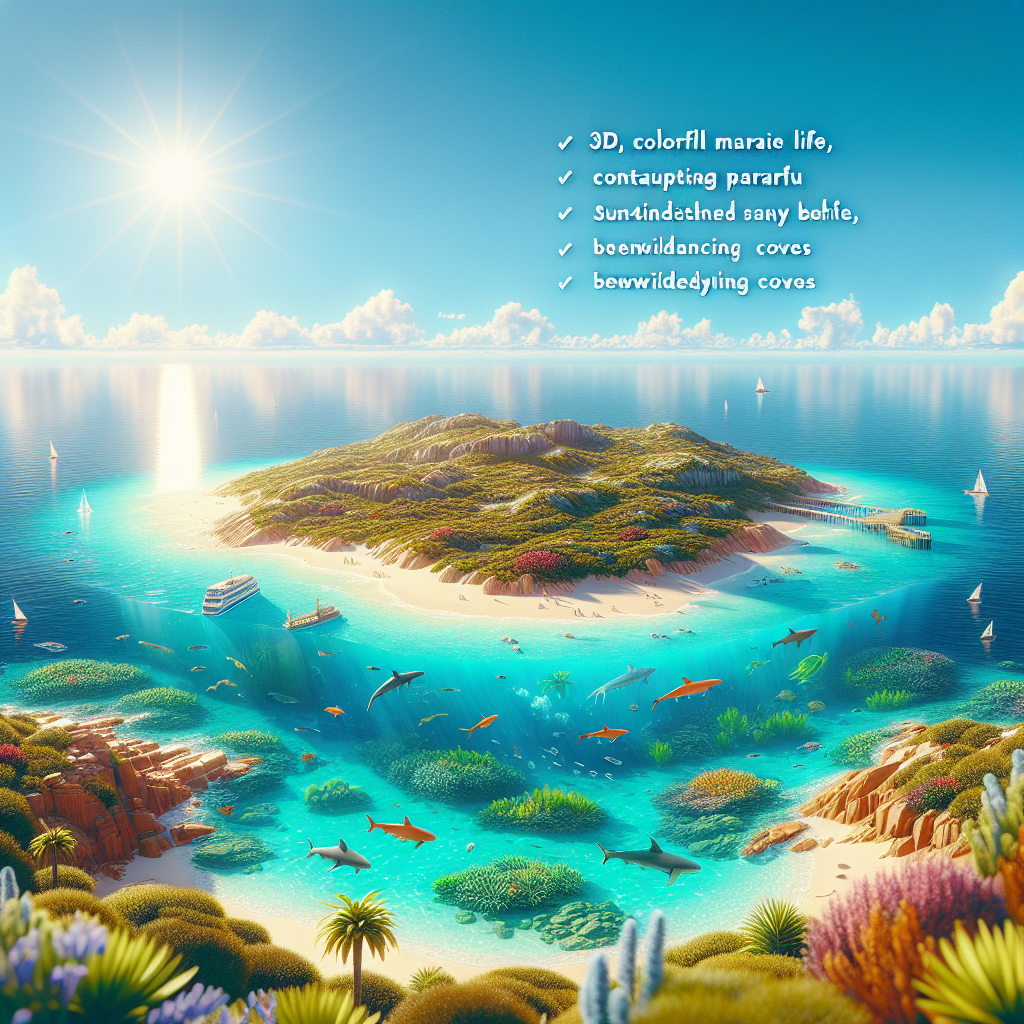

The Curious Case of Seal Island: A Natural Wonder in Western Australia
Imagine a place where seals bask in the sun, surrounded by crystal-clear waters and stunning landscapes. This is Seal Island, located in Shoalwater, Western Australia. Known for its vibrant marine life and breathtaking scenery, Seal Island is a small, rocky outcrop that has become a popular destination for tourists and nature enthusiasts alike. The island is home to a colony of Australian sea lions, which can be seen lounging on the rocks or frolicking in the water. The best time to visit is during the warmer months, from November to April, when the sea lions are most active and the weather is ideal for outdoor activities.
Seal Island is part of the Shoalwater Islands Marine Park, a protected area that encompasses several islands and reefs. The park is located about 50 kilometers south of Perth, making it an accessible day trip for those looking to escape the city and immerse themselves in nature. The island itself is uninhabited, allowing the wildlife to thrive without human interference. Visitors can take guided tours to the island, where they can observe the sea lions in their natural habitat and learn about the conservation efforts in place to protect these magnificent creatures.
The appeal of Seal Island extends beyond its resident sea lions. The surrounding waters are teeming with marine life, including dolphins, penguins, and a variety of fish species. Snorkeling and diving are popular activities, offering a chance to explore the vibrant underwater world. The island's rugged coastline and pristine beaches also provide opportunities for hiking and picnicking, making it a versatile destination for outdoor enthusiasts.
While the natural beauty of Seal Island is undeniable, it's important to consider the impact of tourism on the environment. The influx of visitors can lead to disturbances in the wildlife and damage to the delicate ecosystems. Conservationists and local authorities have implemented measures to minimize these effects, such as limiting the number of visitors and enforcing strict guidelines for tour operators. These efforts aim to ensure that Seal Island remains a sanctuary for its inhabitants and a place of wonder for future generations.
Some argue that tourism is essential for raising awareness and funding for conservation efforts. By allowing people to experience the beauty of Seal Island firsthand, they may be more inclined to support initiatives that protect the environment. However, others believe that the risks of over-tourism outweigh the benefits, and that stricter regulations are needed to preserve the island's natural state. This debate highlights the ongoing challenge of balancing human interests with environmental preservation.
Seal Island serves as a reminder of the incredible biodiversity that exists in our world and the responsibility we have to protect it. As we continue to explore and enjoy these natural wonders, it's crucial to do so with respect and mindfulness. By supporting sustainable tourism practices and advocating for conservation, we can help ensure that places like Seal Island remain vibrant and thriving for years to come.