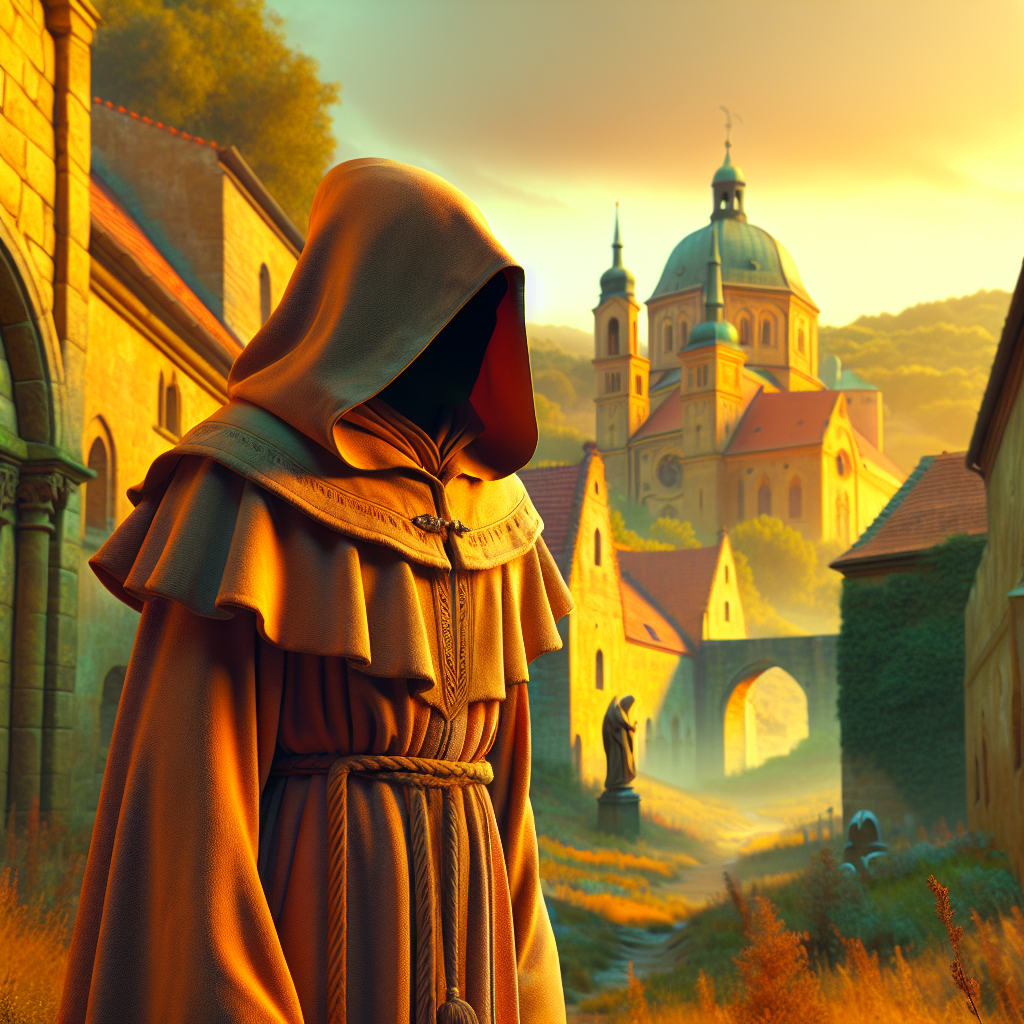

The Enigmatic Saxon Monk: A Glimpse into Medieval Spirituality
Imagine a world where the clatter of horse hooves on cobblestone streets was the soundtrack of daily life, and the flickering candlelight was the only source of illumination after sunset. In this world, during the early medieval period, Saxon monks played a pivotal role in shaping the spiritual and cultural landscape of Europe. These monks, who lived in what is now modern-day England and parts of Germany, were members of religious communities dedicated to a life of prayer, study, and manual labor. Their influence spanned from the 5th to the 11th centuries, a time when the Christian faith was spreading across the continent, and they were instrumental in the preservation and dissemination of knowledge.
Saxon monks were part of the larger Benedictine monastic tradition, which emphasized a balanced life of work and prayer. They lived in monasteries, which were often self-sufficient communities that served as centers of learning and spiritual guidance. These monks were not only devoted to their religious duties but also engaged in various scholarly activities, including the copying of manuscripts, which was crucial for the preservation of classical texts and the Bible. Their work laid the foundation for the intellectual revival of the Middle Ages, often referred to as the Carolingian Renaissance.
The daily life of a Saxon monk was structured around the "Divine Office," a series of prayers recited at specific times throughout the day and night. This routine was designed to ensure that the monks remained focused on their spiritual duties while also engaging in manual labor, such as farming, brewing, or crafting. This balance of work and prayer was seen as a way to maintain a harmonious and disciplined life, which was believed to be pleasing to God.
While the life of a Saxon monk might seem austere and monotonous, it was also filled with a sense of purpose and community. Monasteries were places where individuals from different backgrounds could come together, united by their faith and commitment to a common way of life. This sense of community was particularly important during a time when political instability and warfare were common, providing a refuge of peace and stability.
However, the influence of Saxon monks extended beyond the walls of their monasteries. They played a crucial role in the Christianization of Europe, often serving as missionaries who traveled to pagan regions to spread the Christian faith. This missionary work was not without its challenges, as it required the monks to navigate cultural differences and sometimes hostile environments. Despite these obstacles, their efforts were largely successful, contributing to the widespread adoption of Christianity across the continent.
Critics of the monastic lifestyle might argue that it was overly rigid and isolated, potentially stifling individual creativity and expression. They might also point out that the monastic system was closely tied to the political and economic structures of the time, which could lead to corruption and abuse of power. These are valid concerns, and history does provide examples of monasteries that became wealthy and powerful, sometimes at the expense of their spiritual mission.
Nevertheless, the legacy of the Saxon monks is undeniable. Their dedication to preserving knowledge and fostering spiritual growth had a lasting impact on European culture and society. They were instrumental in the development of education, art, and architecture, and their influence can still be seen today in the form of ancient manuscripts, stunning cathedrals, and the enduring traditions of monastic life.
In reflecting on the lives of Saxon monks, it's important to appreciate the complexity of their contributions. They were not just isolated religious figures but active participants in the cultural and intellectual currents of their time. Their story is a reminder of the power of faith and community to shape history, even in the face of adversity.