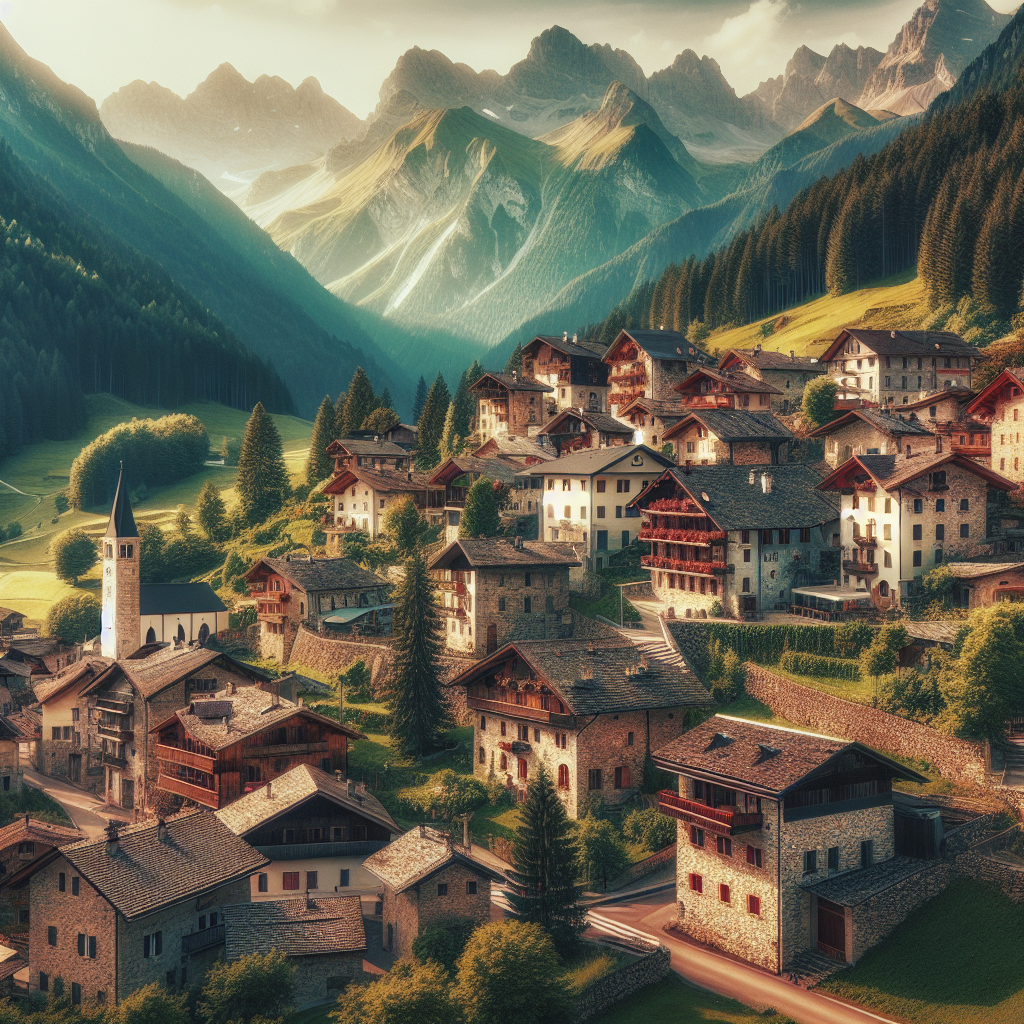

Nestled in the Italian Alps like a jewel in a forgotten crown, Sauris is a village that radiates charm and history. This quaint spot, nestled in the Friuli-Venezia Giulia region of Italy, has a unique blend of cultural influences, picturesque views, and well-preserved traditions. Established in the 12th century, its origins bring a mix of German and Italian heritage, creating a fascinating blend of languages, architecture, and cuisine. Many might wonder why Sauris seems untouched by time, keeping its old-world allure alive while the rest of the world hurtles forward.
Sauris isn't just about breathtaking views of mountain peaks and lush valleys. It's about experiencing a slice of life that feels beautifully out of sync with today’s fast-paced world. Walking through Sauris is like stepping into another epoch, where cobblestone streets echo tales of history and every building whispers stories from centuries past. It’s a world where the everyday grind of modern life seems to fade away, replaced by the gentle rhythm of nature and the richness of human connection.
What truly sets Sauris apart is its dual linguistic and cultural identity. The locals, known as "Saurani," speak both Italian and the ancient German dialect known as Saurano. This unique linguistic tapestry is woven into the very fabric of the village’s identity, making every conversation a delightful exploration of cultural history. It’s like the village itself stands as a testament to a time when different ethnic groups found ways to coexist harmoniously, sharing space, language, and life together. This facet of Sauris makes it a case study in inclusivity and cultural preservation.
Sauris is famed for its culinary offerings, particularly its smoked ham, known as "Prosciutto di Sauris." This delicacy is lovingly prepared using methods passed down through generations, with a smoky flavor that lingers on the palate as lightly as the mist clings to the nearby mountains. The food here is about more than just sustenance; it's a storytelling medium, each dish a narrative thread connecting present-day Sauris with its storied past. For foodies, exploring the local cuisine is akin to finding hidden treasures in an undiscovered land.
Winter or summer, Sauris offers something for everyone. In the winter, the village transforms into a snow-clad paradise, offering skiing and other winter sports. In the summer, nature enthusiasts revel in hiking and exploring the peaceful landscape. Whichever season you choose to visit, Sauris offers a multitude of experiences that cater to both the adrenaline junkie and the tranquility seeker. It’s this all-season allure that makes Sauris an underrated destination for travelers seeking authenticity and adventure alike.
Despite its remote location and small population, Sauris is quite known for its festivals, such as the traditional Carnival which is a colorful explosion of local culture and vibrant customs. The event is marked by the magnificently carved wooden masks, which symbolize a communion with ancestral spirits and beliefs. It underscores the depth of tradition and cultural pride that defines the Saurani community, inviting everyone to partake in celebrations that transcend ordinary tourism attractions.
But here’s where we hit a bump. As with many isolated spots, there’s a delicate balance between safeguarding cultural heritage and the benefits of modernization that promise economic growth. The debate within Sauris’ community mirrors wider global discussions about preserving traditional lifestyles as against adapting to globalization's lure. While some argue for modernization to improve living standards and connect Sauris to wider markets, others fear that too much development could strip away the unique cultural attributes and alter their way of life irreversibly.
Sauris sparks a necessary conversation about how communities can find an equilibrium that satisfies the drive for economic improvement without sacrificing cultural identity. The folks who resist modern changes aren’t doing so because they’re scared of the future, but because they cherish the simplicity and authenticity of their lives as protectors of history. Their love for tradition isn't about staying stuck in the past but nurturing a connection with it, a connection that can often feel lost in larger, bustling towns and cities.
This village holds lessons about the value of cultural diversity and the importance of preserving one's heritage. For many young travelers, exploring places like Sauris offers fresh insights into different ways of life, deepening their appreciation for the world’s rich mosaic of human experiences. It teaches respect for cultures that differ from one’s own and an understanding that while global connectivity is valuable, so is holding dear the local nuances that infuse our world with color and contrast.
In an age where social media is often the first glimpse someone might have of a place, the picture-perfect snapshots of Sauris may spark envy. Still, it’s the depth of experience there that makes any journey fulfilling. For Gen Z, who juggle environmental concerns and a thirst for experiences more than just products, Sauris offers both an inspiring escape and a profound reminder of how traditions can coexist with modernity without losing their essence.
Sauris may not be the most glamorous or the most popular swath of land on any travel itinerary, but it is undoubtedly one of those magical spaces where you learn as much about yourself as you do about the destination. Venturing into its quietude provides the kind of experiences that change perspectives, leaving visitors enriched and inclined to think about how history, culture, and innovation can blend together in harmony.